Kata Bella Logo

List of Travel Post

Where to Eat in Chiang Mai: From Thai to Western Cuisine Image

06 Aug 2026 by Bella in Asia

Where to Eat in Chiang Mai: From Thai to Western Cuisine

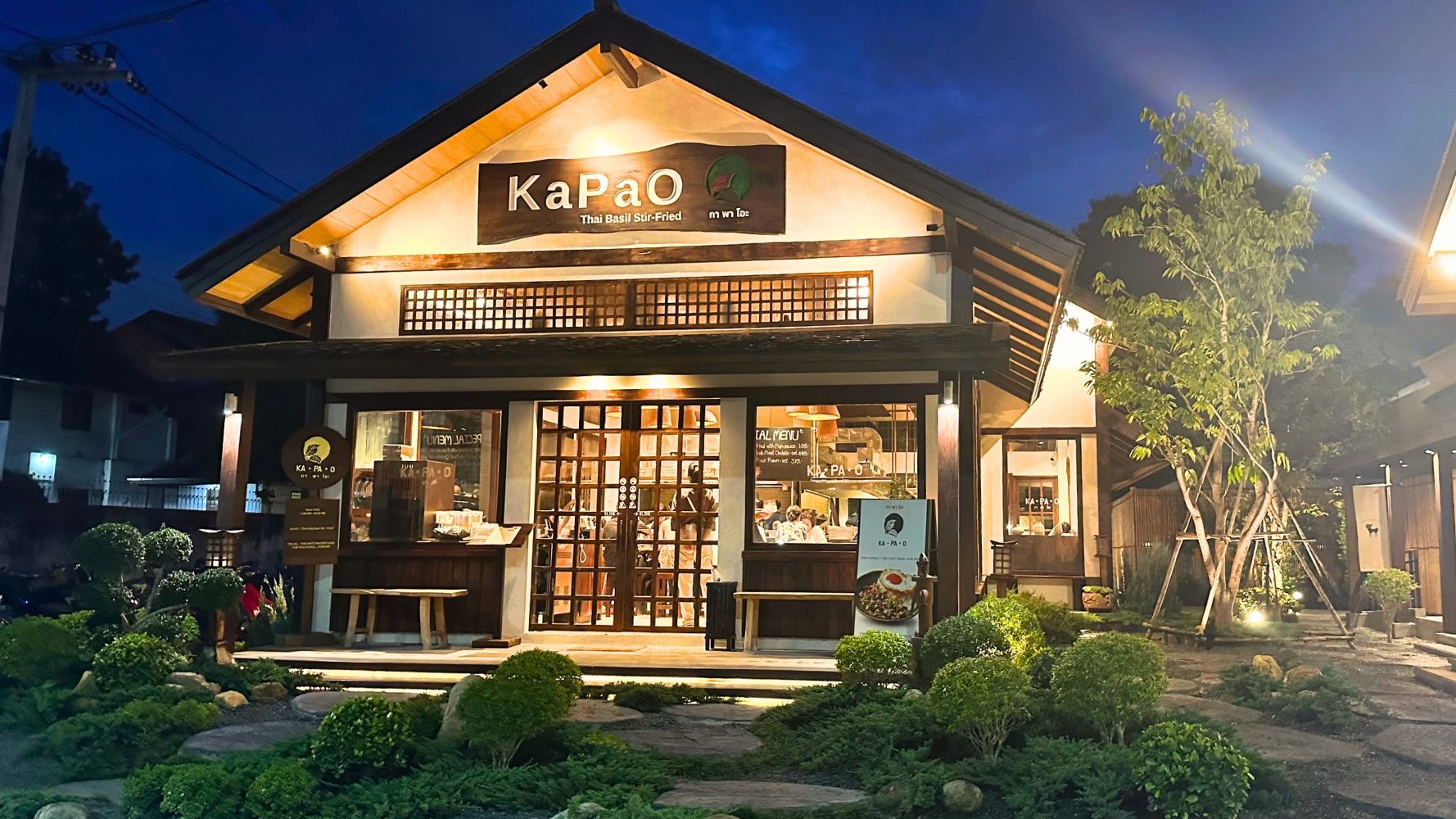
Where to Eat in Chiang Mai I love food, and while I usually enjoy cooking and eating at home, living in Chiang Mai has made it very hard to resist eating out. Surrounded by incredible food spots and affordable prices, I find myself wanting to explore a new place almost every day. Oh, and one thing I love about Chiang Mai is that authentic, homemade-style meals are often cheaper than junk food - it’s so easy to eat well here. This isn’t a list of the “best restaurants in Chiang Mai” - because I’m sure there are plenty of other amazing places to discover. Instead, I’m simply sharing my regular go-to spots that I genuinely enjoy and hope they’ll help you plan your Chiang Mai trip, especially if it’s your first time visiting. Most of these places are located in or around the city centre, simply because that’s where I live. And if you’re looking for market snacks and street food finds, I’ve also written a separate guide for that, which you can find  You may also like this article: Chiang Mai Food Markets - 8 Popular Spots to Eat THAI FOOD Kat's Kitchen It seems like this restaurant is on every tourist's Chiang Mai checklist, and I can see why. The prices are incredibly affordable, the portions are generous enough to share with friends, and the food is delicious. Nothing fancy, it's a simple local eatery serving all the Thai classics we know and love. My personal favourite is the chicken Pad See Ew. Just keep in mind that it gets incredibly busy during the high season, with queues forming around lunch and dinner, so it's worth coming a little before or after the rush if you want to avoid the wait. 📍Google Map: Kat's Kitchen⏰ Opening Hour: Mon-Sun, 9am-9.30pm💰 Price Range: 100-200 baht/ person Image credit: Kat's Kitchen Google page Cherng Doi Roast Chicken They’re known for their boneless grilled chicken, which is very nice. But don’t overlook the grilled pork - it's as delicious, if not even better. Alongside the grilled meats, you’ll find classic Thai favourites like papaya salad and corn salad. Pair everything with a side of sticky rice, and you’ve got a simple meal that never disappoints. 📍Google Map: Cherng Doi Roast Chicken⏰ Opening Hour: Tue-Sun, 11am-8pm💰 Price Range: 100-200 baht/ person KaPao They specialise in elevated Thai classic pad krapao, with a choice of proteins including Angus beef, chicken, pork, and seafood. You can order it on its own with a duck egg on top, or as a set that comes with refillable salad and soup for a more satisfying meal. My favourite combination is the sea bass pad krapao paired with the sour pork rib soup. If you're dining with friends, don't miss the stir-fried cabbage to share, and wash it all down with one of their refreshing iced sparkling teas. 📍Google Map: KaPao - Thai Kaprao Stir Fried⏰ Opening Hour: Mon-Sun, 11am - 9.30pm💰 Price Range: 200-400 baht/ person You may also like this article: Chiang Mai Cafes: 6 Cute Places with Great Coffee and Bites  Khao-Sō-i The same owner we met at KaPao told us he also runs this khao soi pot. If you’ve never tried it before, khao soi is a rich, creamy curry noodle soup from Northern Thailand that, to me, tastes a little like Singaporean laksa. Here, the menu is dedicated entirely to khao soi, with a variety of protein options to choose from. The space is bigger than KaPao, and has a Japanese-inspired vibe. And whatever you do, save room for their matcha soft serve! 📍Google Map: Khao-Sō-i⏰ Opening Hour: Mon-Sun, 9am-9pm💰 Price Range: 200-400 baht/ person Hello Solao 📍Google Map: Hello Solao⏰ Opening Hour: Mon-Thu 10.30am-9pm, Fri-Sun 10.30am-10pm💰 Price Range: 200-400 baht/ person Image credit: Hello Solao Google page Tong Tem Toh A Thai friend recommended this place to me when I wanted to try authentic Northern Thai cuisine. The menu is unlike anything I'd tried before, like steamed fish wrapped in banana leaves, crispy pork belly, and a spicy mushroom soup. I brought my parents here, and the adventurous foodies in them were excited to order some of the more unique dishes on the menu. 📍Google Map: Tong Tem Toh⏰ Opening Hour: Mon-Sun, 8am-11pm 💰 Price Range: 60-150 baht/ person You may also like this article: 7 Days in Chiang Mai - Interesting Things to Do, See, and Eat ASIAN COMFORT Sanjan Of course this had to make the list, because I'm Indonesia, hehe. And as far as I know, it's the only Indonesian restaurant in Chiang Mai. The soto ayam (Indonesian chicken soup) and bakso kuah (meatball soup) both taste authentic. The sambal goreng tempe (chilli tempe) is another favourite - and it's vegan! No Indonesian meal feels complete without a side of kerupuk (crackers), which the have there. Aaaand they also stock Indomie instant noodles and will happily cook them for you just like they do at a classic Indo warung - aaah best! 📍Google Map: Sanjan Indonesian Cafe ⏰ Opening Hour: Mon-Sun, 11am-9pm💰 Price Range: 100-400 baht/ person Image credit: Sanjan Google page Sushi Umai 📍Google Map: Sushi Umai ⏰ Opening Hour: Mon-Fri 11am-2pm & 5pm-9.30pm, Sat-Sun 11am-9.30pm💰 Price Range: 400-600 baht/ person Image credit: Sushi Umai Google page You may also like this article: A Day Trip to Chiang Rai - 5 Beautiful Destinations to See WESTERN COMFORT Why Not Italian Restaurant & Wine Bar As much as I love Asian food, I’ll never say no to a good bowl of bolognese pasta. This is my go-to whenever I’m craving Italian comfort food - the pasta always tastes fresh and homemade, while the bolognese sauce is rich and full of flavour. Their pizzas are just as good, with a thin crust and a good amount of cheese. Add to that the warm, welcoming atmosphere and cosy family-dining vibe. 📍Google Map: Why Not? Italian Restaurant & Wine Bar⏰ Opening Hour: Tue-Sun 12pm-11pm, Mon 4pm-11pm 💰 Price Range: 400-600 baht/ person Beast Burger This is another one of my go-to spots when I’m after an easy, satisfying bite, especially as a little weekend indulgence. It’s just a few metres from my favourite massage place, Giving Tree, making it the perfect combo for a relaxing weekend treat. The service is always quick, and the burger is always good, but I have to give the chips a special shoutout because they’re consistently cooked to perfection. Yum! 📍Google Map: Beast Burger⏰ Opening Hour: Mon-Sun, 11am-10pm💰 Price Range: 200-400 baht/ person Little Pasta Box I first discovered this place when it was literally just...a little pasta box. So it’s been lovely to see how much it has grown and moved into a bigger space! This is the place to go when you’re craving a rich, creamy bowl of pasta that feels a little naughty, hehe. You can also upgrade to their homemade pasta, freshly made by the lady owner herself, which I highly recommend! 📍Google Map: Little Pasta Box ⏰ Opening Hour: Every day, except Wed and Sat, 12pm-8pm💰 Price Range: 100-200 baht/ person Image credit: Little Pasta Box Google page Ok, these are my current go-to spots in Chiang Mai, but I'm always on the lookout for new places to try. As I keep exploring the city, I'll continue adding more restaurants that I think are worth sharing. Thanks so much for reading, and I hope this little guide helps you find somewhere delicious to eat on your trip. Happy holidays, and enjoy the food!

A Nostalgic Escape: Where to Stay and Eat in Yogyakarta Image

28 Jul 2026 by Teman Bella in Asia

A Nostalgic Escape: Where to Stay and Eat in Yogyakarta

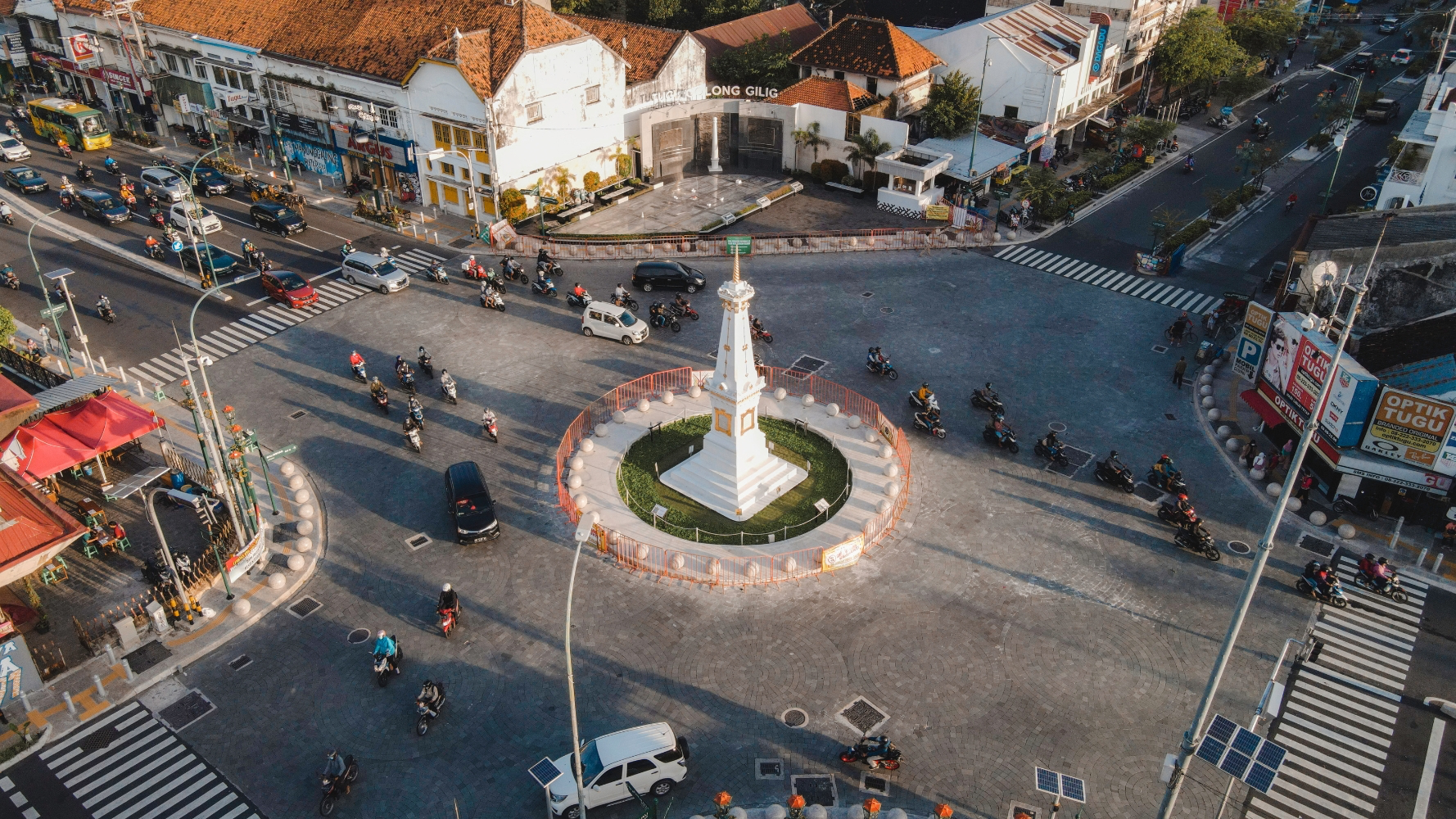
NOSTALGIC TRAVEL TO YOGYAKARTA - an article by Anne Diana Putri Eight years later, I came back for ArtJog (annual contemporary art festival in Yogyakarta) - but stayed for everything else. Eight years. That's how long it had been since my last trip to Yogyakarta - or Jogja, as Indonesians lovingly call it. Funny how a city can stay frozen in your memory, only to surprise you when you finally return. This time, my excuse was ArtJog. But somewhere between gallery hopping, bowls of gudeg (Yogyakarta's signature jackfruit dish) at breakfast, sipping specialty coffee, discovering century-old jamu (herbal drink) recipes, and taking the slow train to Solo, I realised I wasn't revisiting Yogyakarta. I was meeting a completely different version of it. Flying from Bali takes only one hour and fifty minutes - almost the same as flying to Jakarta. Yet somehow, the moment I stepped outside the airport, life immediately moved at a different pace. The new Yogyakarta International Airport feels modern, spacious, and surprisingly efficient. A direct airport train takes only thirty minutes to downtown for IDR 75,000, making the city more accessible than ever. But what fascinated me wasn't the infrastructure. It was how confidently Jogja has grown. For years, people have known it simply as Kota Pelajar (the city of students). Today? I'd call it Indonesia's Creative Capital. A place where heritage and contemporary culture coexist effortlessly. Traditional markets sit comfortably beside minimalist cafés. Ancient recipes share the spotlight with experimental tasting menus. Artists, coffee roasters, chefs, historians, and young entrepreneurs all seem to speak the same language: "Create something meaningful." Unlike Jakarta, which constantly asks you to move faster, or Bali, which often feels curated for visitors, Jogja simply exists. Quietly. Confidently. Authentically. And perhaps that's exactly why it keeps pulling people back. You may also like this article: 5 Co-working Spaces in Jogja to Get Things Done WHERE I STAYEDGrand Hotel de DjokjaCasa Wirabrajan LOCAL EATERIESGudeg SaganSate Kambing Tjokro Gembira LokaPasar NgasemCOFFEE SHOPSBergamot KoffieSpace RoasteryTadasih CoffeeINDONESIAN SPICE & HERBAL MEDICINE STOREBhumi BhuvanaJamu GinggangHotel Tentrem Pattiserie INTERNATIONAL RESTAURANT & LATE NIGHT GELATO CRAVEMediterranea Restaurant by KamilMichael Kreme Gelato Malioboro WHERE I STAYED Grand Hotel de Djokja If you're visiting Jogja for the first time, this is probably where I'd tell you to stay. The location couldn't be better - perfectly positioned between Tugu Station and Malioboro, allowing you to explore the city's heritage on foot. One experience I particularly loved was the hotel's traditional portrait session. Guests can wear Javanese kebaya and beskap (traditional attire) while being photographed inside the heritage property. It sounds touristy, and it is - but in the best possible way. Sometimes embracing local culture begins by simply dressing the part. 📍Google Map: Grand Hotel de Djokja Casa Wirabrajan  If ArtJog is your main destination, Casa Wirabrajan offers an entirely different experience. Simple, affordable, and surrounded by creative energy, it's located in the same area of the Jogja National Museum. The neighborhood has quietly evolved into one of the city's most interesting creative districts, filled with cafés, local eateries, live music, and artists gathering long after sunset. 📍Google Map: Casa Wirabrajan From left to right: Grand Hotel de Djokja Heritage, Casa Wirabrajan, and Jogja National Museum area LOCAL EATERIES Gudeg Sagan Locals call it "gudeg basah" (wet gudeg). Established in 2003, it brought fresh love to Jogja’s iconic gudeg, since the city’s version is normally the dry type. You can’t make a reservation - just find a table and a server will come to you. They have two branches across Jogja, and yes, it’s completely normal to eat gudeg for breakfast here.  📍Google Map: Gudeg Sagan Sate Kambing Tjokro Gembira Loka Famous for Sate Buntel, Sate Kronyos, and Sate Klathak (different types of mutton satays) - the most satisfying meal and the ultimate protein load.  📍Google Map: Sate Kambing Tjokro Gembira Loka Pasar Ngasem A traditional market famous among locals for legendary eateries, such as: Jenang Yu Jamilah (Jamilah's sweet porridge), Warung Makan Bu Sirep (Sirep's eatery), Gudeg Yu Djum (Djum's gudeg), and other iconic Javanese delicacies. Pro tip: come to this market as early as 7am, stroll around, and try the food and drinks - then walk to Tamansari, the water temple, to explore the landmark.  📍Google Map: Pasar Ngasem From left to right: Sate Kambing Tjokro Gembira Loka and Gudeg Sagan COFFEE SHOPS Bergamot Koffie A new, chic spot with a vibrant interior and some of the best dirty coffee I’ve had in Jogja - plus a good burger if you’re hungry and missing something comforting.  📍Google Map: Bergamot Koffie Space Roastery A local chain with 6 branches across Jogja - each with a different mood and ambiance, but consistent coffee at every branch I visited. Their signature is Es Kopi Susu Dolce (sweet iced coffee), along with manual brews, and you can take away merch and coffee beans too.  📍Google Map: Space Roastery CCC Tadasih Coffee A unique boutique coffee shop run by Mas Ferza himself. It only has 17 seats and opens just four days a week, so check Google to make sure they’re open. Ferza is a passionate host who offers 8 types of coffee beans from around Indonesia and beyond, with specialty coffee priced from just 35K per cup. As unbelievable as it sounds, he even publishes a monthly transparency book for Tadasih, covering how much of each bean has sold, average prices, and how many origins he covers. His mission is simply to turn regular guests into friends through genuine conversation - and please, order the toast, it’s incredible.  📍Google Map: Langenarjan 29 (RSVP only) From left to right: Space Roastery, Tadasih toast, Bergamot exterior INDONESIAN SPICE & HERBAL MEDICINE STORE Bhumi Bhuvana A very special place to discover rare ingredients from all over Indonesia, like sea salts from Bali, Cirebon, and Kalimantan, which you can taste on the spot - plus palm sugar from the Baduy people of Kalimantan. They offer a bookable walking tour, but you can also just pop in for the day and try the home-cooked meals the staff prepares daily, drawn straight from legendary Indonesian cookbooks like Mustika Rasa. The staff will welcome you warmly and guide you through a side of Indonesian gastronomy most of us never get to touch. The space is small, so give them a heads-up before you visit.  📍Google Map: Bhumi Bhuvana Jamu Ginggang Jamu is famous throughout Indonesia, and it was born in Java. This place is special because it’s run by the original acaraki, a Javanese herbalist once appointed by the city’s mayor, located in the Pakualaman area. Stepping in feels like traveling back to 1950, when this place was first established. Using real spices, you simply tell the lady at the counter how you’re feeling, and she’ll make you a bespoke jamu - in a world full of cocktail bars, this place existed long before the glitz. It’s a privilege to experience a place like this today, both as a homage and a history lesson.  📍Google Map: Jamu Ginggang Hotel Tentrem Pattiserie  The birthplace of Tolak Angin, Indonesia’s famous instant herbal medicine, this hotel lets you explore the brand’s other creations. In the lobby of Hotel Tentrem Jogja, you can enjoy an afternoon tea with Tolak Angin ice cream, takeaway chocolate pralines, and popsicles - all made from Tolak Angin. 📍Google Map: Hotel Tentrem Form left to right: Bhumi Bhuvana entrance and its collection, Jamu Ginggang INTERNATIONAL RESTAURANT & LATE NIGHT GELATO CRAVE Mediterranea Restaurant by Kamil One of the most visited restaurants for both international and domestic tourists. It offers an array of international dishes, from pizza to hummus to steak frites to chocolate mousse. The affordable prices are a highlight, but the food itself is genuinely good and consistent. It’s a fine casual dining restaurant with none of the intimidation that ambiance can sometimes bring. The wine of the month is excellent too, at half the price of Bali or Jakarta - Bordeaux included. Do make a reservation, though, or you won’t get a proper seat.  📍Google Map: Mediterranea Restaurant by Kamil Michael Kreme Gelato Malioboro A new gelato hotspot open until 2am - sounds like a good deal to me. The gelato itself is solid, but the bonus is the café next door, Blue Butter, which has a giant 4D cat installation with blinking eyes that draws crowds in for a photo. Quite a scene to stumble on in Jogja.  📍Google Map: Michael Kreme Gelato Malioboro Mediterranea Restaurant by Kamil Yogyakarta was everything I hoped it would be and more. From wandering through historic landmarks and hunting down local favourites to discovering hidden cafés and cultural gems, every day brought something new. But the journey doesn't end here. Next up, we're heading east to Solo, another city rich in Javanese culture, heritage, and unforgettable eats. Stay tuned for the next chapter of this Central Java adventure on my next article!

7 Days in Chiang Mai: Interesting Things to Do, See, and Eat Image

22 Jun 2026 by Bella in Asia

7 Days in Chiang Mai: Interesting Things to Do, See, and Eat

7 Days in Chiang Mai I can't believe I've been staying in Chiang Mai for six months by the time I’m writing this - time flies. This beautiful city in Northern Thailand has grown on me in the best way. Every time I post about the cafes I visit, the places I explore, or the delicious food I discover on Instagram, my DMs are filled with friends asking for Chiang Mai recommendations. A few have even come to visit me here - including my parents, and a few are coming in the next month. So, since I already have this website, I thought I might as well put everything together in one place for anyone planning a trip here. If you’ve been to Bangkok and are wondering how different Chiang Mai is, it feels like a different side of Thailand. It’s quieter, slower-paced, and much more affordable I'd say, with plenty of amazing food, cute cafes, nature escapes that are very close to the city, and fun local experiences. So here’s my guide to what you can expect from a week-long holiday in Chiang Mai - though in my opinion, a week is not enough. Also, this is not a day-by-day itinerary, so you have the freedom to pick and choose what you’d like to do. You may also like this article: How to Stay in Thailand Visa-Free for 90 Days Exploring the Old City The Old City sits right within the “square” area you’ll see on the city map, making it super easy to navigate. It’s packed with restaurants, bars, cafes, shops, and hotels, so there’s always something around every corner. You can even walk around the entire square and visit all four gates. I did it for fun and measured it - the full loop is about 6.7km. It’s a great way to slowly explore the city, especially on your first day, while getting a feel for Chiang Mai’s charm. Here are a few restaurants in Old City that I like: Kat's Kitchen: A popular Thai restaurant (super busy in high season) Sanjan: The only Indonesian restaurant in Chiang Mai Kai Wan: Tom Yum restaurant Kati: A western breakfast and brunch spot (super busy in high season) SP Chicken: Grilled chicken and Thai food Chang Phueak, one of the four gates in the Old City Wat Phra That Doi Suthep There are many beautiful temples here, but this Wat Phra That Doi Suthep is the city's unofficial "you have been to Chiang Mai" landmark. Sitting on top of Doi Suthep mountain, this iconic temple famous for its golden pagoda, beautiful details, and incredible views overlooking the city. I have written a complete article on how to get there, including the different transport options, so check that out if you’re planning your visit. Definitely worth adding to your Chiang Mai itinerary. Read here: A Guide to Doi Suthep Temple, Chiang Mai: 4 Things to Know The beautiful Wat Phra That Doi Suthep Local Markets, obviously I mean, you can’t really go to Thailand without visiting the markets, right? There are so many different ones to explore, and they’re great places to find interesting local handmade products too. But whenever I go to a market, I’m there for the food! I’ve put together a list of markets you can visit, along with their opening days and times, so you can plan your itinerary and figure out which market to visit on which day (aren’t I nice? Hehehe). Read here: Chiang Mai Food Markets - 8 Popular Spots to Eat The relaxing ambiance at Coconut Market Cooking Class I don’t cook, and I don’t like cooking - I’m really not that person, lol. But did I enjoy making Thai curries, Pad Thai, and Tom Yum? I surprisingly did! I probably wouldn’t have joined if it wasn’t for my parents convincing me, but it turned out to be such a fun experience. You can usually find cooking school options in brochures at travel agencies, but the one we chose was called Smile Organic Farm. It was 900 baht per person for four dishes plus one curry paste that we learned how to make from scratch. They picked us up from our accommodation, took us to the farm, and prepared all the ingredients for us, so all we had to do was cook (and try not to mess it up - which I kinda did). The portions were huge for me and my parents, and we ended up with so much food that we had to take some home. Coming from someone who rarely steps into the kitchen, I can confidently recommend this experience. My parents making Phat Kaphrao in the cooking class Baan Kang Wat I really love this place! Baan Kang Wat is a charming little art village where you can browse handmade crafts and join workshops like ceramics, jewellery making, painting, and other creative activities. You can meet local artists, shop for unique art pieces, and have lunch. If you haven’t tried Northern Thailand’s signature dish, Khao Soi, there’s a popular spot here serving a really delicious bowl (although there are plenty of other restaurants and coffee shops to explore too). You can easily spend a few hours here just wandering around without a plan - eat, shop, discover little creative corners, or simply relax in the lovely garden area in the middle of the village. It’s the perfect place to slow down and enjoy Chiang Mai’s creative side. ⏰ Opening Hour: Tuesday - Sunday, 10am - 6pm  📍Google Map: Baan Kang Wat One of the workshops you can do at Baan Kang Wat Nature and Adventure You can easily escape to nearby hills and waterfalls like Mae Sa Waterfall or Huay Kaew Waterfall, perfect for a quick nature break without going too far. For something more scenic, drive up to Doi Inthanon National Park, the highest point in Thailand, where you can enjoy cooler weather, viewpoints, and beautiful nature walks through forests and waterfalls. If you’re staying closer to the city, the famous Monk’s Trail near Wat Phra That Doi Suthep is a great little hike that takes you through the jungle up to a peaceful temple stop. It’s the perfect mix of adventure and calm, all within reach of Chiang Mai. Beautiful Maeya waterfall Massage...as many times as possible After all the sightseeing, adventures, and 10K steps a day, every single day, you definitely deserve a good Thai massage. Actually, you don’t even need to wait until the end of your trip. You can have as many as you want because they’re affordable and pretty great almost anywhere, even the random little spots. From just 350 baht an hour, you can basically be transported to heaven on earth. So make the most of your time in Chiang Mai and book that massage! Image credit: Pure Knead Massage A day trip to Chiang Rai If you have extra time on your holiday and still have the energy for a long drive, a day trip to Chiang Rai is worth considering. It’s a province in Northern Thailand, about 3 hours away from Chiang Mai, known for its beautiful temples and scenic landscapes. You can either rent a car and drive yourself, but I prefer just sitting back and letting a driver take you around - it’s way easier, especially when you just want to enjoy the views and not worry about navigation. I’ve also written a full article on the most beautiful places to see in Chiang Rai, so check that out if you’re planning your trip! Read here: A Day Trip to Chiang Rai: 5 Beautiful Destinations to See The White Temple, one of the must-sees in Chiang Rai Ok like I said, a week is not enough to explore this beautiful city. So this is just a starting point for your Chiang Mai journey. The city is best experienced at your own pace, with space to wander and discover beyond any list. However you choose to explore it, I hope Chiang Mai treats you as kindly as it has treated me. Hope you find this article useful and thank you for reading!

Japan for First-Timers: How I Accidentally Fell in Love (and Went Back Twice...and Then Again) Image

09 Jun 2026 by Teman Bella in Asia

Japan for First-Timers: How I Accidentally Fell in Love (and Went Back Twice...and Then Again)

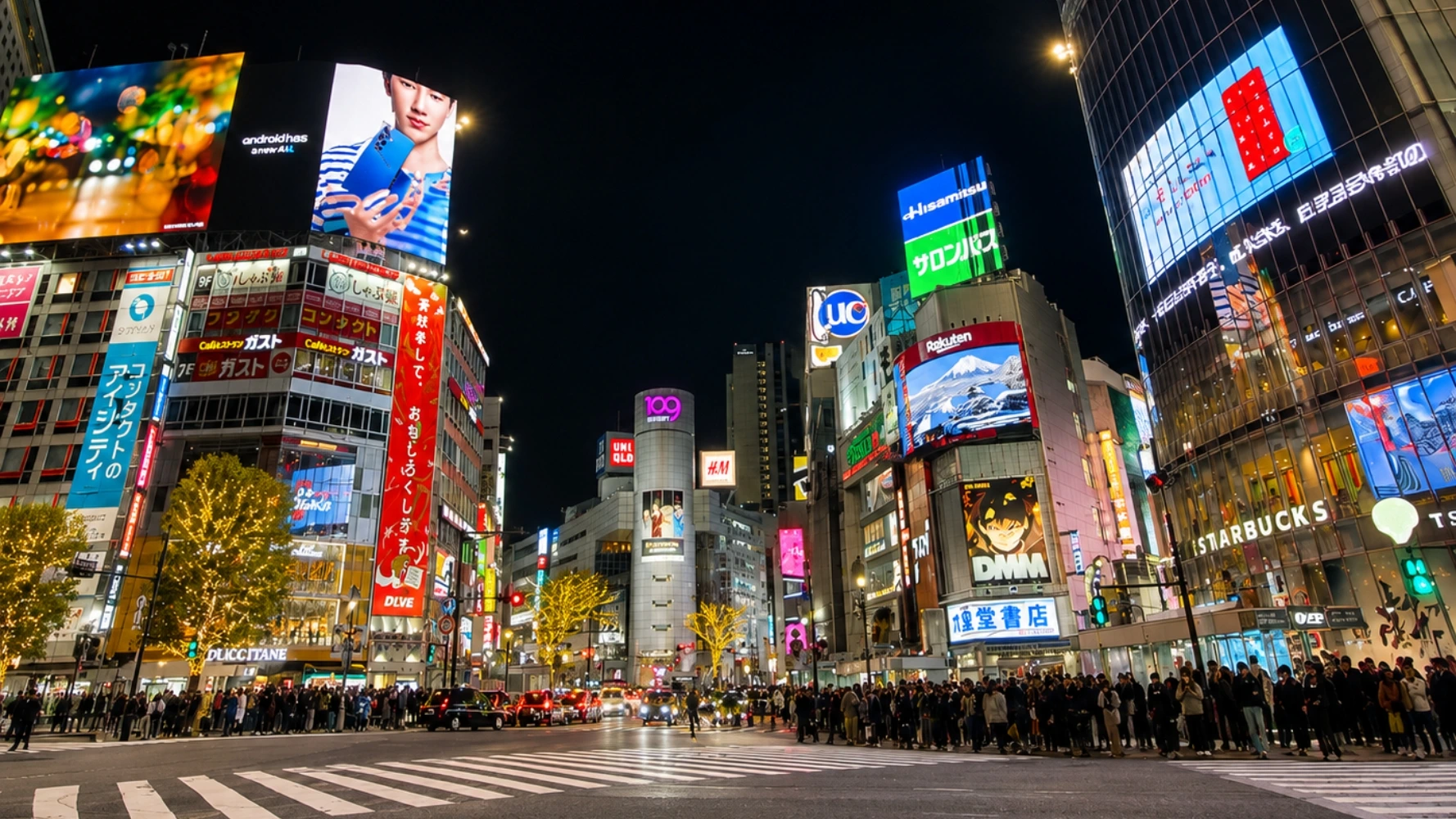
JAPAN FOR FIRST-TIMERS - an article by Yohanes Hutauruk It was in 2018 when I visited Japan for the very first time - and not just that, it was also my first ever solo holiday. I had always imagined my first solo trip would be somewhere closer to home in Southeast Asia. Something easy. Something familiar. But somehow, I ended up in Japan - the Land of the Rising Sun, a country so advanced it sometimes feels like it’s already living in 2050. Fast forward to today, I’ve visited Japan three times. People say “third time’s the charm”, but for me, three is just the beginning. This is clearly a relationship that is going to continue. The funny thing is, the trip itself started as a very impulsive decision at a travel fair. I remember standing in line at the counter, not even knowing where I wanted to go and then suddenly...Japan just popped into my head. Cue mild panic. As a first-time solo traveller, I went straight into research mode: where to go, what to eat, how to survive. So if you’re reading this as a first-timer (or a slightly anxious one), consider this your friendly guide from someone who has been exactly where you are. Welcome to Japan. Or as I like to call it: your next obsession. Things You Need Before Entering JapanPlanning Your Trip (a.k.a. Where to Even Start)Getting Around (Without Losing Your Mind)Where to Go in Japan (and Yes, Start with the Mainstream)Slurp Your Way into JapanShibuya: Where Your Wallet Gets TestedThe Famous Shibuya Crossing (Yes, It’s Worth It)Tokyo Disneyland and DisneySea (Choose Wisely… or Don’t)Disneyland vs DisneySea: The Ultimate First-Timer DilemmaTop rides to prioritise:HighlightsWhat to Eat (Because You Will Get Hungry… A Lot)What to Buy (You Don’t Need It… But You Do)Strategy Tip (So You Don’t Spend Your Day in Line)For the Wizards and Witches (YES, YOU!)Konbini - My Three-Times-a-Day (or More) HabitAnd So Much More to Discover You may also like this article: 48 Hours in Amsterdam - A Quick Trip, Big Memories Things You Need Before Entering Japan If you’re an Indonesian passport holder, here’s the good news (and a little bit of admin, but don’t worry - it’s painless). Japan used to require a visa for Indonesians, and while that’s still true for regular passports, things have become much easier for e-passport holders. You can now apply for a visa waiver online, and the process is surprisingly quick - just a few days. If you’re using a regular passport, you’ll still need to apply for a visa, which usually takes around one to two weeks. My advice? Apply at least one to two months before your trip, just to be safe and stress-free. Once your visa (or waiver) is sorted, the next step is completing your customs declaration online. The process is simple, user-friendly, and only takes a few minutes. At the end, you’ll receive a QR code - this will be scanned when you arrive at the airport in Japan. And just like that, you’re already halfway there. I kept going back to Japan to see "family" Planning Your Trip (a.k.a. Where to Even Start) For first-timers, the classic trio is: Tokyo, Kyoto and Osaka. Each city has its own personality: Tokyo is fast-paced, crowded and feels like the future. Kyoto is calm, traditional and beautifully refined. Osaka is lively, friendly and basically heaven for food lovers. Before you arrive, make sure you’ve sorted your transportation from the airport to your hotel. You have two choices: Option one: comfort Book a private airport transfer and glide straight to your hotel door like a well-prepared traveller. Option two: adventure Take public transport like a local. It’s efficient, reliable… and occasionally involves carrying your suitcase up what feels like a never-ending staircase. Not all stations have elevators - consider this your first workout in Japan. Now, let’s talk about hotels. If you’re staying in a budget hotel in Japan, manage your expectations (and maybe your luggage size). Rooms are compact. Very compact. You might not be able to fully open a large suitcase, and closet space is...optimistic at best. But here’s the upside: they are clean, efficient, and almost always come with a bathtub. Yes, a bathtub. Hotels like APA Hotels and Hotel Mystays are great options with multiple locations and reasonable prices - especially if you book early. Just don’t expect a full-sized soaking tub. Most are more like “sit-and-contemplate-your-life” tubs rather than “stretch-and-relax” ones. The good news? Amenities in Japan are excellent. Toiletries are provided and surprisingly high quality. You can skip packing shampoo, soap, and even toothpaste. Japan has you covered - unless you’re very particular about your products. And honestly, if you’re out exploring all day, the room is more than enough. Getting Around (Without Losing Your Mind) If you plan to explore a lot (which you should), I highly recommend getting a Tokyo Metro Pass. It comes in 24, 48, and 72-hour options and covers most metro lines in Tokyo. It’s simple, convenient, and saves you from constantly topping up a card like Suica. Personally, I prefer the pass - unlimited rides, no thinking required. You can buy it online and collect it easily at ticket machines. The process is straightforward and very tourist-friendly. Similar transport systems are available in Kyoto and Osaka, making it easy to get around without blowing your budget. And yes, taxis exist...but unless you’re feeling generous with your wallet, maybe save those for emergencies (like food and more food :)) You may also like this article: Where to Eat in Sydney - 5 Spots I’ll Always Go Back to Where to Go in Japan (and Yes, Start with the Mainstream) For first-timers, here’s my rule: do the touristy things. Seriously. You can be cool and “off the beaten path” on your second, third, or tenth trip. For now, just enjoy the classics - they’re famous for a reason. Slurp Your Way into Japan Start with something simple but essential: ramen. And not just any ramen - go to Ichiran Ramen. This place is perfect for solo travellers. Actually, it was made for us. You sit in your own little booth, fill out your ramen preferences (yes, you can customise everything), and order from a vending machine. Extra egg? Add it. More pork? Of course. Seaweed? Why not. The best part? You don’t even have to talk to anyone. Your bowl magically appears through a small curtain like a ramen surprise. Minimal interaction, maximum satisfaction. Perfect for introverts. Or for people who just don’t want to socialise before coffee. Ichiran Ramen, the perfect stop for solo travellers Shibuya: Where Your Wallet Gets Tested Next stop: Shibuya - also known as your new shopping problem. Here’s one important tip from someone who learned the hard way: don’t overpack. Just buy your clothes in Japan. Head straight to Uniqlo or GU (yes, it’s pronounced G-U). They literally have everything: undies, basics, jackets, shoes, accessories, even winter wear - all at dangerously affordable prices. And I mean dangerously. Because what starts as “I’ll just get one jacket” quickly turns into “how did I spend half my budget on Day 2?” Be strong. Or don’t. Your choice. And for sneaker lovers - you are in serious trouble (in a good way). You’ll find plenty of ABC-Mart stores around Shibuya. Think of it as sneaker heaven: rows and rows of Nike, Adidas, New Balance, and more - often at very reasonable prices compared to back home. So yes...maybe leave some extra space in your luggage. You’ve been warned. The good news? These stores are everywhere across Japan, so you’ll never run out of options - or excuses. ABC Mart, one of the many "dangerous" places The Famous Shibuya Crossing (Yes, It’s Worth It) Right in the middle of Shibuya is the iconic Shibuya Crossing - one of the busiest crossings in the world. You have two ways to enjoy it: Option 1 Be part of the chaos. Cross with everyone, take your content, feel the energy. Just… don’t stop in the middle like a confused tourist. Keep walking. Option 2 Watch from above like a calm, evolved traveller. Here are some of the best viewpoints: Mag’s Park (Magnet by Shibuya 109 rooftop): great direct top-down view. Entry is around ¥1,500 including a drink. Shibuya Sky: for a higher, panoramic view (and amazing photos), this is the one. Shibuya Hikarie (11th floor sky lobby): free and less crowded - a hidden gem. Shibuya Mark City windows: another easy, free option. Best time to visit? sunset into evening - when the lights turn on and everything feels a bit more cinematic. Crowd tip: Mag’s Park gets busy. Hikarie is usually calmer if you prefer a quieter experience. Tokyo Disneyland and DisneySea (Choose Wisely… or Don’t) If you’re in Tokyo, this is a must. Whether you’re a “yeah...since I’m already here” traveller or a full-on Disney fanatic, Tokyo Disneyland and Tokyo DisneySea are easily two of the happiest (and most dangerously addictive) places on earth. Disneyland vs DisneySea: The Ultimate First-Timer Dilemma If you only have one day, choosing between the two can feel like emotional damage. But here’s my honest advice: go to DisneySea first. Why? Because DisneySea is unique to Japan - you literally cannot find it anywhere else in the world.  Why DisneySea is so special? DisneySea is less “cartoon” and more cinematic. Think: stunning themed ports inspired by places like Italy, New York, and the Middle East or a massive volcano (yes, an actual volcano) at the centre of the park - details so beautiful you’ll forget you’re in a theme park. It feels more grown-up, more immersive, and honestly - more aesthetic for photos. We're never too old for Tokyo DisneySea Top rides to prioritise: Anna and Elsa’s Frozen Journey - a beautiful boat ride through the story of Frozen, with next-level animatronics and a few surprises along the way Peter Pan’s Never Land Adventure - a 3D immersive experience where you join the Lost Kids (yes, you’re part of the story) Rapunzel’s Lantern Festival - calm, romantic, and easily one of the prettiest rides, especially if you’re a fan of that iconic lantern scene Journey to the Center of the Earth - fast, thrilling, and visually insane Tower of Terror - same name, completely different storyline from other Disney parks And Then…Disneyland! If you have more time, go to Disneyland the next day. Because let’s be honest - there is no such thing as “I’ve had enough Disney.” Disneyland is more classic, more nostalgic, and exactly what you imagine Disney to be. And yes - this is where you get that iconic castle moment. Highlights Beauty and the Beast - easily one of the best Disney rides in the world (worth the queue, trust me) Pooh’s Hunny Hunt - surprisingly fun, even for adults Monsters, Inc. Ride & Go Seek! - interactive and chaotic in the best way, you’ll be shooting flashlights and laughing like a kid The Happy Ride with Baymax - pure joy. It spins, it dances, and somehow you’ll leave smiling for no reason And of course...the fireworks. Disneyland wins here - the show with the castle backdrop is magical, dramatic, and absolutely worth staying until the end. DisneySea...let’s just say the fireworks are not the main character there. What to Eat (Because You Will Get Hungry… A Lot) Let’s talk about the real priority: food. Alien Mochi - cute, chewy, and almost too adorable to eat Turkey Leg - dramatic, oversized, and surprisingly addictive Churros - not your average churros, they come in different flavours and shapes You will snack all day. No regrets. What to Buy (You Don’t Need It… But You Do) If there’s one thing you should bring home: the collectible popcorn bucket. They come in different characters and designs, and somehow… everyone ends up carrying one. You’ll tell yourself, “I don’t need this.” And then 10 minutes later, you’re in line buying it. Strategy Tip (So You Don’t Spend Your Day in Line) These rides are popular. Like…very popular. If you don’t plan a little, you might spend more time queueing than actually enjoying the park - not ideal. Here’s what you should do: Get Premier Access for the big rides (paid, but worth it if you value your time and sanity) Download the official Tokyo Disney Resort App to check waiting times in real time Go early. Like, really early. Think of it as strategy, not stress. Because the goal is simple: more rides, less waiting, maximum happiness. For the Wizards and Witches (YES, YOU!) If you’re a Harry Potter fan, Tokyo has a few magical spots worth adding to your list. Start with Warner Bros. Studio Tour Tokyo – The Making of Harry Potter, where you can explore iconic sets like the Great Hall and Diagon Alley, and of course try butterbeer (with a souvenir mug included, which somehow becomes very precious). Then head to Harry Potter Mahou Dokoro Harajuku in Harajuku for all the merch your inner wizard insists you need - yes, butterbeer is here too, but no mug this time. And finally, swing by Akasaka Station, where you’ll find Harry Potter-themed decorations perfect for a quick photo (and a moment to pretend you’re on your way to Hogwarts). Three spots, three different vibes - and a high chance you’ll leave with a wand you didn’t plan to buy. Muggle-friendly Harry Potter Store in Harajuku You may also like this article: A Magical Day at Harry Potter Studio Tour London Konbini - My Three-Times-a-Day (or More) Habit People always ask why I keep going back to Japan, and honestly...the answer is simple: I have family there. Lots of family. Specifically, FamilyMart. And it doesn’t stop there - 7-Eleven Japan and Lawson are equally dangerous (in the best way). These “konbini” are on another level - we’re talking everything from onigiri and bento to pastries, snacks, and honestly...unbelievable desserts. It’s the kind of place where you go in for water and walk out with a full meal (and zero regrets). And here’s a fun tip: don’t sleep on their socks. Each konbini has its own signature designs, and somehow they make the perfect, lightweight souvenir. Cute, practical, and very easy to justify buying five pairs. And So Much More to Discover Of course, there are so many more places to eat and explore in Japan. Think Tsukiji Outer Market, where you can enjoy incredibly fresh sushi and sashimi straight from the source, or Harajuku, the heart of Japan’s bold and creative street fashion. You can also wander through Asakusa for a more traditional vibe, or explore Shinjuku, where the city truly never sleeps. But honestly, one of the best things about Japan is the unexpected. Even when you’re just roaming around, you’ll stumble upon surprises - a tiny ramen shop tucked in a quiet corner, a hidden café, or a meal that ends up being your favourite of the entire trip. Because in Japan, ramen rarely disappoints. So don’t overplan everything. Leave a little space for curiosity. You might just find your own hidden gem on a random street with no name - and somehow, that becomes the highlight of your journey. I’ll leave that part for you to discover.

A Day Trip to Chiang Rai: 5 Beautiful Destinations to See Image

05 Apr 2026 by Bella in Asia

A Day Trip to Chiang Rai: 5 Beautiful Destinations to See

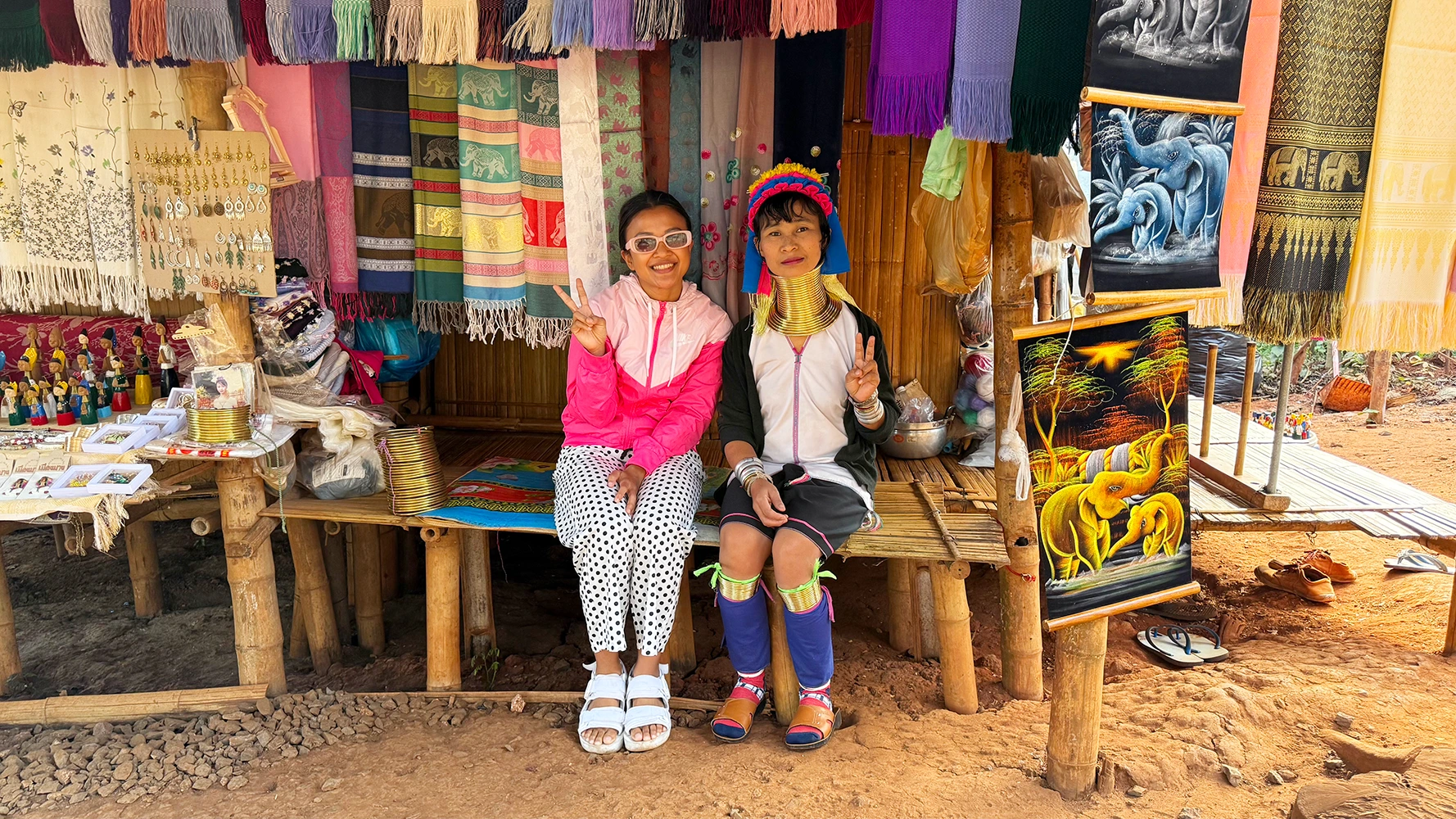
Chiang Rai is a city in northern Thailand, near the borders of Laos and Myanmar, about a few hours’ drive from Chiang Mai. It’s home to several beautiful temples and tourist spots you’ve probably seen advertised by tour agencies. While my parents were visiting Chiang Mai, I decided to take them on a little road trip to Chiang Rai. We wanted something chill, so instead of joining a tour, we booked a private car with a driver and set off early in the morning to spend the day without feeling rushed. These were the places we managed to visit. Long Neck VillageWhite TempleBlue TempleBig BuddhaSingha Park You may also like this article: How to Stay in Thailand Visa-Free for 90 Days Long Neck Village We left Chiang Mai around 7am, and about an hour later we had already arrived at the Long Neck Village. By the way, this isn’t their original indigenous village - it’s a tourist site created to introduce visitors to the Kayan tribe. If you’re interested in learning more deeply about the tribe and their way of life, it’s also possible to visit their actual village with a local guide. The Kayan Long Neck tribe is an ethnic group originally from Myanmar - so they’re not native to Thailand, if I understand correctly. Many migrated across the border seeking safety as refugees, and unfortunately, many still don’t have full legal status in Thailand, which can mean limited access to education and healthcare. I can see why some people might view this tourist village as controversial. Personally, I felt that visiting, paying the entrance fee and supporting them by buying the handmade crafts and souvenirs they sell - was a small way to contribute directly to their community. I genuinely hope their culture continues to exist and be preserved. White Temple This temple is just as beautiful as it looks on the internet - maybe even more. The entire complex is pure white, covered in incredibly detailed mirror ornaments that sparkle under the sun. I read that it was designed and built by Thai artist Chalermchai Kositpipat. The white colour represents the purity of Buddha, while the mirror fragments reflecting the sunlight symbolise Buddha’s wisdom. To enter the temple, you walk across a bridge with a lake of tormented hand statues reaching up from below, along with eerie figures symbolising human desire, greed, and suffering. A voice announcement asks visitors to keep moving and not stop on the bridge, representing the idea of leaving darkness behind. At the centre is the main hall, where photography isn’t allowed. Inside, a large Buddha sits surrounded by murals featuring pop-culture characters like Superman, Spider-Man, and Pokémon - not random at all, it is a portrayal of the modern world and the things people become obsessed with today; technology, consumerism, power, and fame. You could easily spend hours exploring this temple - it’s huge! But I’d recommend going in the morning. Not only does it get very hot by midday, it also becomes extremely busy with visitors. P.S. They have one of the most beautiful toilets I’ve ever seen. You may also like this article: A Guide to Doi Suthep Temple, Chiang Mai - 4 Things to Know Blue Temple Located only about 10 minutes from the White Temple, is the Blue Temple. It was designed by Phutta Kabkaew, a student of Chalermchai Kositpipat - the artist behind the White Temple. Dominated by vibrant blue with a touch of gold, the temple carries a similar artistic style, but here the colour blue represents Buddha’s infinite wisdom. The temple is also known as the “Temple of the Dancing Tiger.” Legend says that villagers once saw tigers roaming and leaping around the temple grounds many years ago. Visitors are allowed to enter and take photos inside the prayer hall, where a giant white porcelain Buddha sits beautifully at the centre, making it a striking space to admire. Big Buddha One last stop before heading back to Chiang Mai was the Big Buddha. Sitting atop a hill surrounded by greenery is a giant statue of Guan Yin - or Indonesians may know her better as Dewi Kuam Im, the Goddess of mercy and compassion. You can spot the statue from far away, but the closer you get, the more impressive (and of course, the bigger) it becomes. Unlike the White and Blue Temples, the Big Buddha feels much calmer and less crowded. It’s believed that praying here brings good health and fortune. Personally, I’ve always seen Dewi Kuam Im as a powerful symbol of compassion and I do believe in kindness and positive energy. Singha Park We originally planned to stop by Singha Park because there was a hot air balloon festival happening that very day. Since the park is on the way back to Chiang Mai anyway, we thought - why not? We arrived around 6pm, which I assumed would be the perfect time to catch the show, but unfortunately it turned out the balloons were scheduled to launch much later. We also had to take a shared songthaew ride to reach the lake where the festival was taking place. Because we hadn’t planned to stay overnight in Chiang Rai and didn’t have any accommodation booked, we eventually decided to head back home instead. The park itself was lovely, though and definitely worth adding to your list. It would’ve been nice to see the hot air balloon festival, which is apparently a big annual event with participants from all over the world. Oh well - next time 🙂 Image credit: Chiang Rai Balloon Fiesta Even though it was just a day trip, Chiang Rai felt quite different from Chiang Mai - quieter and full of little surprises (literally, like when we stopped for lunch and the restaurant owner realised we were Indonesian and told us he had visited Medan 20 years ago, haha!). We managed to see a lot in one day, but there are still plenty of places left on the list, like the Black House Museum (Baan Dam) and other lesser-known temples and viewpoints scattered around the region. Maybe that’s a good reason to come back. Chiang Rai feels like a place best explored slowly, and next time, I’d probably stay a night or two to really experience it properly (and hopefully watch the hot air balloon festival!).

Chiang Mai Cafes: 6 Cute Places with Great Coffee and Bites  Image

24 Mar 2026 by Bella in Asia

Chiang Mai Cafes: 6 Cute Places with Great Coffee and Bites 

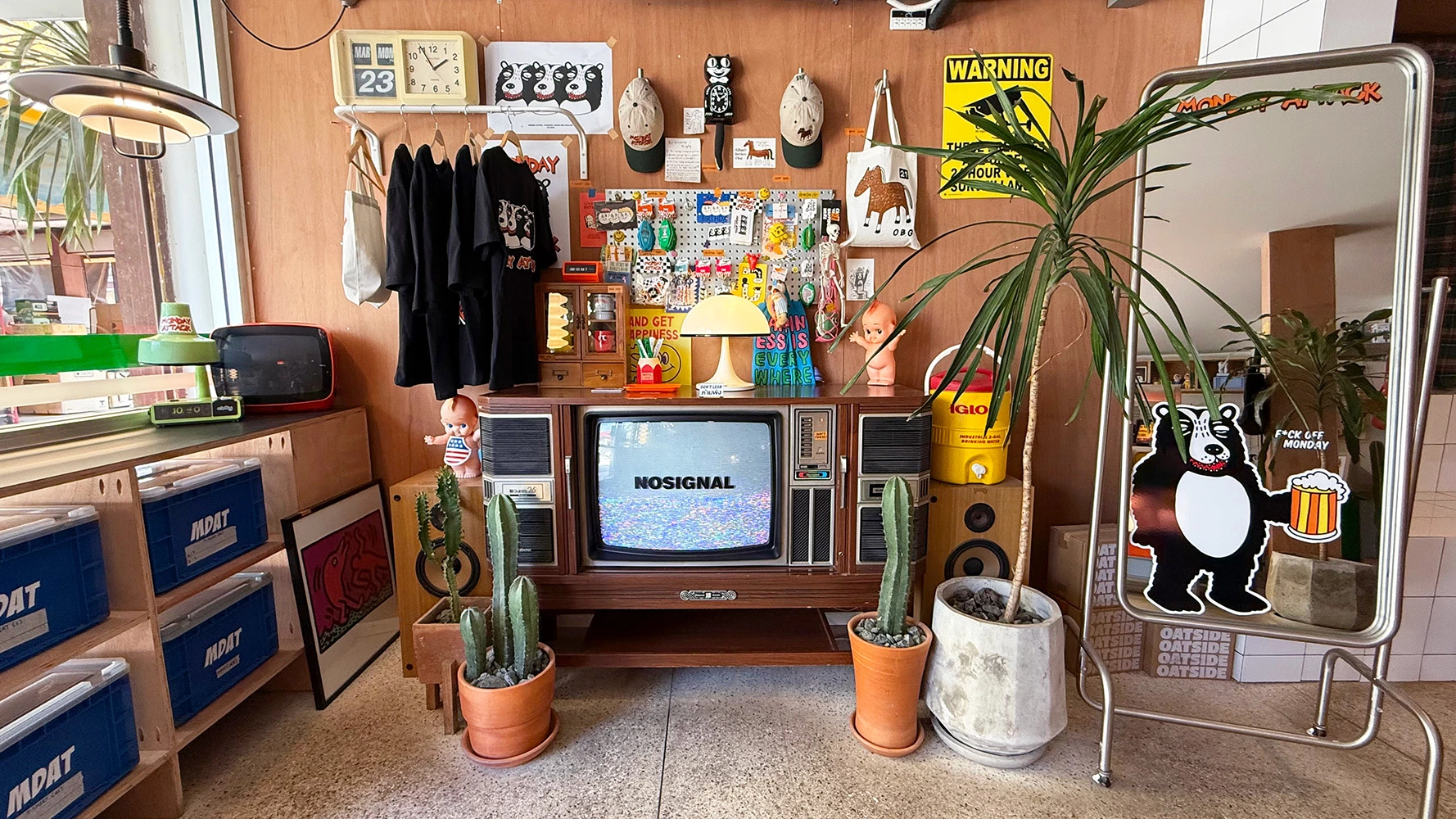
Chiang Mai has become one of my favourite cities for coffee - I don’t think I’ve had a bad cup here so far. They’re all good for my taste, my stomach, and my wallet. I find coffee prices here really fair, and even the fancy ones with cream, oat milk, and all that stuff are still reasonable (compared to Bali at least). I haven’t tried many coffee shops in Chiang Mai yet, so this list will keep growing as I discover more cute spots. But for now, here are some of my favourites -  places that are not only cute but also serve great coffee, pastries, and sweets. Monday AttackForest BakeGroonLondon BakeryMarsMatchi Matchi You may also like this article: Chiang Mai Food Markets - 5 Popular Spots to Eat Monday Attack I like to imagine that the people behind this café simply weren’t built for office life, probably hated Mondays, and decided to start this coffee shop instead hehehe. Monday Attack has a cozy retro interior that looks cool from every corner, complete with a photobooth and nice cold air con (essential -  if you need a little escape from the heat outside).  I first came here after exploring Waroros Market nearby, and their iced latte topped with soft serve instantly won my heart. Turns out Mondays aren’t so bad when they involve good coffee and chilling.  Forest Bake This is where you go when you want to enjoy a slow day in the garden with tea or coffee and an artisanal cake. Their pastries are made in small batches every day, so it’s best to come in the morning when everything is fresh, also because they tend to sell out quickly. The main bakery sits inside a cute little cabin that looks like it belongs in a European storybook. Outside, there’s a garden with a woodland aesthetic where you can truly take your time. I especially like their tarts; the blueberry and lemon ones are my favourites. Image credit: Forest Bake Instagram You may also like this article: A Guide to Doi Suthep Temple, Chiang Mai - 4 Things to Know Groon I have so many good things to say about Groon. Not only is the coffee good, but they also make great scones, honey shokupan, and sometimes I even come here for lunch because I love their chicken quesadillas and creamy truffle pasta. This café sits between two other dessert spots; one frozen yoghurt place (which I also like) and a bingsoo shop. My guess is that they share the same owner because everything is connected, and you can order from whichever one you feel like. Pastry image credit: Groon Instagram London Bakery Spoiler alert: they don’t sell any London or British pastries here. Quite the opposite, they serve Asian-inspired items like matcha flan, ube soft bread, and salt bread, alongside classics such as blueberry cheesecake, croissants, and pretzels. The interior looks very 90s in a charming way, featuring a candy-coloured gate (to the toilets, lol) and a giant statue of their mascot that makes you feel like you’ve stepped straight into the world of Hansel and Gretel. And yes, of course, the coffee is good. But I usually come here for the munch, accompanied by coffee - not the other way around, hehe.  You may also like this article: How to Stay in Thailand Visa-Free for 90 Days Mars Literally just a few steps away from London Bakery (I counted), you’ll find Mars café. The name already tells you what to expect the moment you walk in. Considering how Instagram-worthy this place is, it’s surprisingly not packed with people just taking photos. They actually come for the coffee too, which is nice.  By the way, this café shares its entrance with a hotel upstairs, which makes for some very funny moments; you’ll see confused guests walking in expecting a normal hotel lobby, only to find themselves on what looks like a Star Trek film set. Matchi Matchi I came here just for a coffee, but ended up ordering their soft serve too - because it's their specialty, and because I have free will, heheh. Aaanddd... I think I've found a new favourite dessert! Their black sesame soft serve was whoahhh-so-good! The place itself is also very cute - is it a coincidence that I keep ending up in cute places? ;) I also tried their matcha choux, which was good and much bigger than I expected. Overall, a very happy experience. Would definitely go back fo' sho! I really like Chiang Mai and it’s coffee scene -  every corner seems to hide another charming spot waiting to be discovered. Whether you’re here for serious coffee, sweet treats, or just a cozy place to slow down for a while, there’s always somewhere nice to try. And knowing me, this list definitely won’t stay at six for long. BRB checking out more cafes in town! ☕️

Chiang Mai Food Markets: 8 Popular Spots to Eat Image

12 Mar 2026 by Bella in Asia

Chiang Mai Food Markets: 8 Popular Spots to Eat

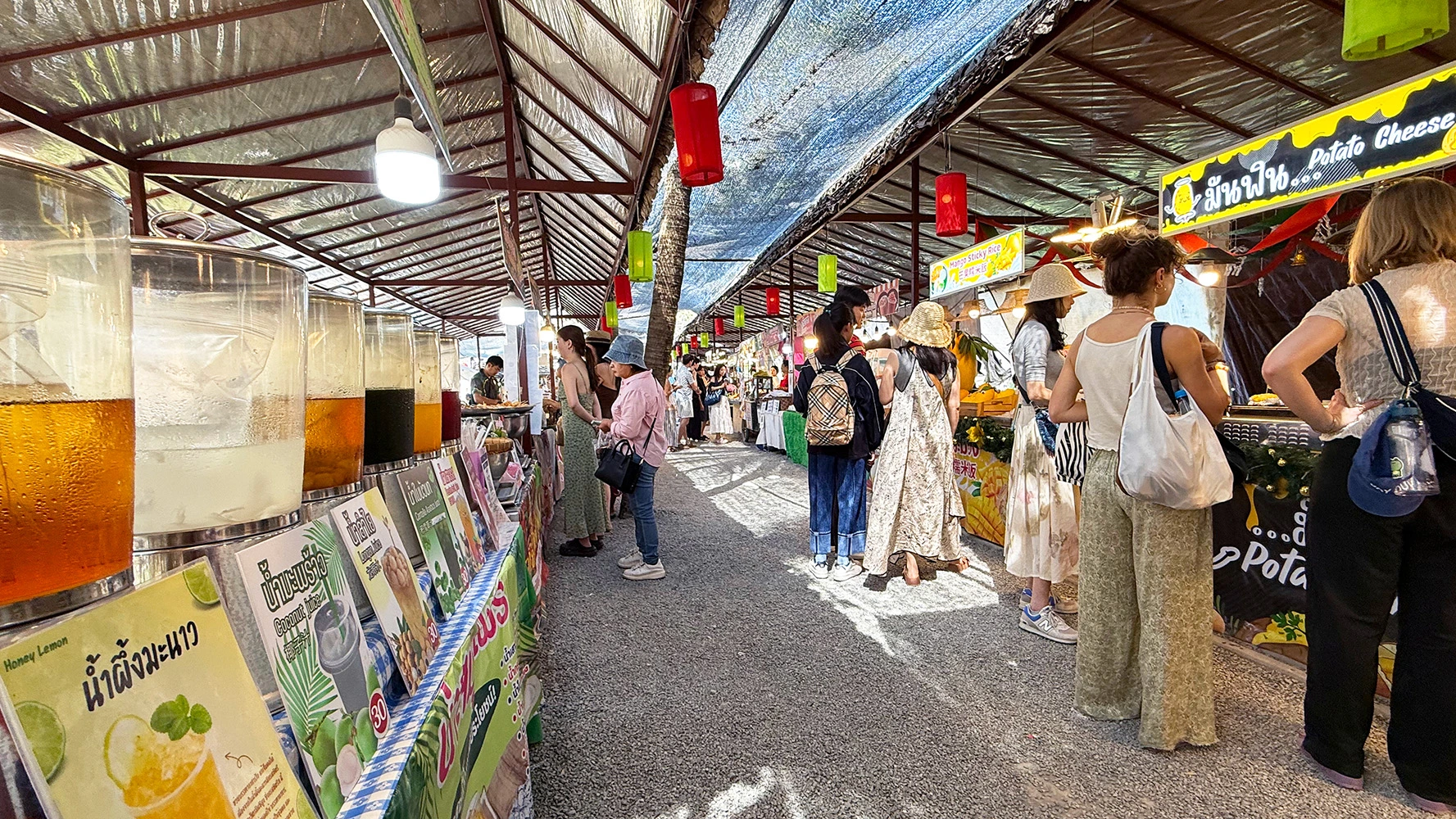
Chiang Mai Food Market If I live in Chiang Mai (which I kinda do now), I honestly don’t see why I’d ever need to cook. You’re spoiled with food options here, across all kinds of cuisines and prices. Sure, every few metres you can find a decent Thai restaurant, but while most of them are good, I find eating at the markets much more interesting because you can try a little bit of many different things in one place. Here are some of them that I've been to. Chiang Mai Walking StreetLanna SquareKalare Night BazaarWaroros MarketTon Lam Yai MarketJing Jai MarketOne Nimman Street Food MarketCoconut Market You may also like this article: A Guide to Doi Suthep Temple, Chiang Mai - 4 Things to Know Chiang Mai Walking Street This is probably the biggest market in Chiang Mai, held every Sunday. It stretches from Tha Pae Gate all the way to Wat Phra Singh - if you walk the whole route, it’s around 1 km long. Most vendors sell handcrafted items, clothes, and souvenirs, but you’ll also find buzzing food markets inside the courtyards of two temples along the way. Once your tummy is full, you can browse the street vendors or surrender to the joy of a foot massage which you can find right outside the temples - like....a whole street of pop up foot massage chairs. 🍜 Food and drink highlights: chicken and pork skewers, grilled oyster mushrooms, pad thai, longan juice💵 Prices: 10 - 150 baht⏰ Opening time: Every Sunday, 4pm – late📍 Location: Chiang Mai Old Town – walk from Tha Pae Gate🚽 Toilet: At the temple entrances (bring a 5-baht coin) Chiang Mai Walking Street, image credit: Destino Chiang Mai Lanna Square Still in the Old City area, there’s this outdoor food court - a good starting point for beginners, hehe. Why beginners? Because I feel like it's more geared towards tourists; prices are slightly higher, and the food selection is more international, not just Thai. You’ll find everything from Japanese dishes and Western comfort food like beef brisket and loaded fries, to ice cream. There’s even Burmese cuisine I've never tried before. There’s also live music on the front stage, which adds a nice atmosphere. It’s usually busy, but in a comfortable way - not too hectic and not overly loud. It does get a bit quieter when the Chiang Mai Walking Street market is on. 🍜 Food and drink highlights: prawn pad see ew from Thai Taste, black sesame mochi, chicken satay💵 Prices: 60 - 300 baht⏰ Opening time: Every day, 5pm - midnight📍 Location: Chiang Mai Old Town - 5 Ratvithi Rd , Tambon Si Phum🚽 Toilet: At the entrance of the market (bring a 5-baht coin) A busy night at Lanna Square, Image credit: Lanna Square Facebook page You may also like this article: How to Stay in Thailand Visa-Free for 90 Days Kalare Night Bazaar Every time I come here or bring friends along, I have one very important mission: to eat the crispy pork belly from this stall right in the centre of the market. There are plenty of other tasty options too, but from what I’ve observed, many people come here for the seafood feast. It can get quite busy around dinner time and seating is limited, but if you’re patient and keep an eye out, you’ll eventually find a table. The market is part of the Night Bazaar, so it’s also a nice area to wander around and do a bit of shopping afterwards. And in case this helps with planning, there are a few five-star hotels nearby, like Marriott and Mövenpick. 🍜 Food and drink highlights: crispy pork belly, chicken and pork gyoza, pad see ew, fruit smoothies💵 Prices: 50 - 250 baht⏰ Opening time: Every day, 5pm - midnight📍 Location: 2 Changklan Rd, Chang Khlan Sub-district🚽 Toilet: Inside the market (bring a 5-baht coin) The lively ambiance at Kalare Night Bazaar Waroros Market Some people call it Waroros, some Warorot, and maybe both are correct? It’s a traditional market where people come to buy herbs, kitchen ingredients, and everyday essentials. I first went to Waroros to buy mango and orange jellies (they're very good!). But there are also street food stalls around the market, plus a food court inside if you get hungry in the middle of shopping. There are also fresh fruit vendors - I bought lots of strawberries and rose apples, and the prices here are cheaper because it’s not a tourist spot. 🍜 Food and drink highlights: Thai grilled sausage, Thai iced coffee💵 Prices: 60 - 150 baht⏰ Opening time: Monday - Sunday, 6am - 5pm📍 Location: 10,12 14 Wichayanon Rd, Chang Moi Sub-district, Mueang Chiang Mai District🚽 Toilet: Ask the market vendors, because I didn't find any Image credit: Say hi Thailand website Ton Lam Yai Market While I was at Waroros Market, I noticed that right behind the busy market area, there’s another market filled with local food stalls. It’s more of an everyday market, selling fresh produce and local goodies, and it feels even more local compared to Waroros with fewer tourists and more locals doing their daily shopping. There’s a Michelin-recognised noodle spot here, but my personal highlight has to be the little donut shop that makes the animal-shaped donuts. 🍜 Food and drink highlights: animal-shaped donuts 💵 Prices: 20 - 100 baht⏰ Opening time: Monday - Sunday, 7pm - 5.30pm📍 Location: 88/1 Wichayanon Rd, Chang Moi Sub-district, Mueang Chiang Mai District🚽 Toilet: Ask the market vendors, because I didn't find any The place I got donuts from Jing Jai Market Lots of people go to Jing Jai for shopping - there are so many amazing local brands, handmade items, crafts, ceramics, and other interesting things here. But it’s become my Sunday ritual to have lunch here every week. Please note that even though Google says it’s open every day, the actual market stalls are only here on Saturday and Sunday until around 3pm. The area with restaurants and the supermarket, though, is open daily. It took me three trips to figure that out, so I’m sharing this to save you the disappointment of turning up on a random weekday expecting the full market vibe. 🍜 Food and drink highlights: pork satay with peanut sauce, crispy fried chicken💵 Prices: 60 - 200 baht⏰ Opening time: Saturday - Sunday, 8am - 3pm📍 Location: 46 Atsadathon Rd, Pa Tan Sub-district, Mueang Chiang Mai District🚽 Toilet: Within the market Very pretty Thai snacks in one of the stalls at Jing Jai market One Nimman Street Food Market This market is located in an open-air shopping space called One Nimman. They have a backyard area that regularly turns into markets and events; from vintage markets and wine festivals to flower festivals. On weekends, it usually hosts a street food market. If you’re going with friends or a group, I like how convenient the place is: you can explore the food stalls, sit and eat in the market area, and then grab coffee at one of the nice cafes afterwards. 🍜 Food and drink highlights: steamed buns, pizza, gyoza, Thai tea💵 Prices: 50 - 200 baht⏰ Opening time: Friday - Sunday, 3pm - 10pm📍 Location: 1 Nimmanhemin Road, Suthep, Mueang Chiang Mai🚽 Toilet: Within the shopping centre There's also live entertainment at One Nimman Street Food Market Coconut Market Just when you think you’ve already been to all the food markets in Chiang Mai, there’s the Coconut Market. At first, I assumed everything there would be coconut-based (which I don’t really like - ironic, I know). But it turns out it’s just a regular market, though yes, coconuts and coconut ice cream do make their expected appearances, hehe. I think the name simply comes from the setting: an open field surrounded by coconut trees. 🍜 Food and drink highlights: tom yum noodles, som tum salad, grilled chicken, watermelon slushies💵 Prices: 20 - 100 baht⏰ Opening time: Saturday & Sunday, 8am - 3pm📍 Location: 94 Soi Ban Tong 2 Mu 3, Fa Ha, Chiang Mai🚽 Toilet: Inside the market The relaxed weekend vibe at Coconut Market Food markets are honestly one of the best ways to experience Chiang Mai. They’re lively, affordable, and full of little discoveries - whether it’s a new snack you’ve never tried before or a stall you keep coming back to for that one dish you can’t stop thinking about. If you’re visiting the city, try to explore at least one or two of these markets. Hope you find this information useful, and thank you for reading! 😊

How to Stay in Thailand Visa-Free for 90 Days Image

18 Feb 2026 by Bella in Asia

How to Stay in Thailand Visa-Free for 90 Days

If you’re Indonesian, you probably already know that Thailand is among the countries we can enter without a visa. But I only recently found out that not many people realise you can actually stay for a total of 90 days. You get 60 days visa-free when you first enter, and then you can apply for an extension at the local immigration office. At first, I thought I needed a visa agent because I’d never done anything like this before and was scared of getting rejected. But when I went to the immigration office in Chiang Mai for the first time, they happily explained the steps. It was surprisingly easy - and you can absolutely do it yourself. Check how many days you can stay in Thailand visa-free on Thai e-visa official website You may also like this article: A Guide to Doi Suthep Temple, Chiang Mai: 4 Things to Know The first 60 daysArriving in ThailandAfter your first 30 daysApplying for your extensionFinal Thoughts The first 60 days After checking several trusted official websites, the rule (at the time I’m writing this) hasn’t changed. Indonesians can enter Thailand visa-free and stay for 60 days, despite the uncertain news you might have seen on social media. What shocked me was that during check-in at Soekarno–Hatta, when I showed my return ticket, the staff questioned my 60-day stay - even the immigration officer seemed unsure. But don’t worry. If you’re ever in doubt, you can check the official Thai e-visa official website and enter your nationality (if you’re not Indonesian) to confirm whether you can enter visa-free and how long you’re allowed to stay. Fill in TDAC online before you fly Arriving in Thailand Don’t forget to fill in the TDAC (Thailand Digital Arrival Card) form before arriving in Thailand - you can do it a day before your trip to stay organised. In the form, you’ll be asked for your return flight details. When you’re in the immigration line, you just need to scan the barcode sent to your email. As long as you haven’t been going in and out of Thailand a suspicious number of times in the past few months, you should be fine. I landed at Suvarnabhumi Airport in Bangkok, and after scanning the QR code, they didn’t even ask me any questions. You may also like this article: What It’s Like to Live in Bali: Cost, Culture, and Everyday Life After your first 30 days Depending on where you’re staying in Thailand, you can look up the nearest immigration office. I was based in Chiang Mai, and the immigration office there is conveniently located inside a shopping mall called Central Festival Chiang Mai. After you’ve spent a month in the country, or basically before your 60 days run out, you can apply for a 30-day extension. Here’s what you’ll need: Applying for your extension It’s actually pretty straightforward once you have all your documents ready. You can show up during opening hours, but like most administrative offices, I’d suggest going early. I’m not sure about other cities, but in Chiang Mai they’re closed for lunch from 12–1pm. When I arrived, an officer checked our documents first. They’ll let you know if you’re missing anything or forgot to fill in a section. If everything’s in order, they’ll sign it off and give you a queue number. After that, you just sit inside and wait for your number to be called. When it’s your turn, hand over the checked documents and pay the 1,900 Baht fee in cash. Then you wait another 15–30 minutes (depending on how busy it is). Your name will be called, they’ll take a quick photo of you, and hand back your passport with a new stamp giving you another 30 days to stay in this beautiful country. In my personal experience, I wasn’t asked a single question, and the staff were actually pretty nice - you know how immigration offices can sometimes feel a bit intimidating? Anyway, that’s it. The whole process was done in one day, which was great and super efficient. Final Thoughts So yes, staying in Thailand visa-free for 90 days is completely doable for Indonesians and many other nationalities, and you don’t need an agent to make it happen. It might feel intimidating at first (especially with all the mixed information online), but once you understand the steps, it’s actually very manageable. My biggest tips are to double-check official sources, prepare your documents properly, and go early to the immigration office. That’s really it. Hope you find this article useful and happy holiday! 

Where to Eat in Sydney: 5 Spots I’ll Always Go Back to Image

16 Feb 2026 by Bella in Australia

Where to Eat in Sydney: 5 Spots I’ll Always Go Back to

Where to eat in Sydney - Every time I’m back in this beautiful city, one thing is guaranteed: I plan my days around food (other than hanging out with my family and friends, of course! hehe). From local restaurants, global chains, to comforting desserts, these are some of my personal favourites - the ones I genuinely crave, talk about, and immediately recommend to friends. The Grounds Coffee FactoryNando’s Peri Peri ChickenIsland RadioTenacious BakehouseYogurberry The Grounds Coffee Factory I know The Grounds of Alexandria is on pretty much everyone’s must-visit list when in Sydney. And yes, their art installations (which change every few months) are always impressive. But did you know there are other The Grounds locations too? And they’re just as special, with genuinely good food. My cousins took me to the one in Eveleigh, an area that was once a major locomotive and railway hub back in the late 19th century. This branch is an actual coffee factory, so while you’re eating, you can see (and smell!) the coffee being crafted through the glass windows. If you want to enjoy The Grounds’ great food without the long queues, this one’s definitely worth a visit. Image credit: The Grounds Coffee Factory Instagram You may also like this article: A Playful Stay in Copenhagen: My 25hours Hotel Experience Nando’s Peri Peri Chicken For those who have been touched by the deliciousness of Nando’s peri-peri chicken, let’s hug and agree it’s one of the best things to eat in the world. And if you’ve never tried it before, imagine this: tender, charred, flame-grilled chicken marinated in a spicy, tangy peri-peri sauce. Depending on the heat level, the spice builds into a warm, zesty kick rather than a burn-your-mouth moment. The flavour goes all the way to the bone. Pair it with peri-peri-sprinkled chips or corn on the cob and boom - you’ve got the kind of meal you find yourself craving again and again. Nando’s is a global chain and I’ve tried it in a few other countries, but in my personal experience, Nando’s in Oz is the best. Image credit: Nando's Australia website Island Radio “You can take a girl out of Asia, but you can’t take Asia out of a girl” - I guess that saying is true. As much as I love international cuisine, Asian food wins every time. No competition needed. This trendy spot in Redfern serves up a South-East Asian–inspired menu. They change their menu every now and then, by the way, which keeps things exciting - but this is what we had: sate Padang (Padang beef satay), grilled chicken, quinoa salad, their take on mie ayam (chicken noodles), and a Balinese pie susu (milk pie) for dessert. Nothing disappointed. The Indonesian dishes still had spot-on flavours, even with a modern twist - and I have to admit, their pie susu was actually better than the OG, whoops! Bonus points: they have a disco toilet. Because no night out is complete without a bathroom rave! What we had at Island Radio - sate padang, mie ayam, and pie susu Tenacious Bakehouse As a dessert person and a lifelong lover of Asian flavours like matcha, taro, and ube - I have to say this, and I’m really not exaggerating: their Taro Cream Croissant is one of the best pastries I’ve ever had. They claim to use natural sweetness with 60% reduced sugar, and I believe it, because it’s not overly sweet like most pastries. The cream somehow tastes rich and light at the same time (how is that even possible??). It’s best eaten cold, which makes the taro cream taste almost like ice cream. That purple dusting on top is sweet potato powder, and it ties everything together perfectly. I’m sure their other pastries are amazing too… but I’ll save those for next time. The star - Taro Cream Croissant and other interesting pastries at Tenacious Bakehouse You may also like this article: Pastries, Passion, and a Little Bit of Magic at Theo’s Wife Lois Yogurberry And another dessert spot...I know you can get frozen yoghurt pretty much anywhere, but going back to my love for Asian flavours, yogurberry has taro froyo! Woot woot! And that alone is why, even with all the newer and trendier frozen yoghurt spots around, Yogurberry is still my favourite. It’s pay-by-weight, so you can customise it exactly how you like.  I usually go for taro froyo topped with their unsweetened mochi, coconut jelly, and almond flakes. Simple, not overly sweet, and deeply comforting. I was so happy to see that even after years of not being back in Sydney, this place still exists. I wish them all the success so they stay open foreverrrr!!! Image credit: Yogurberry Australia Instagram Sydney’s food scene is massive, but these places hit that sweet spot between comfort, flavour, and personal nostalgia for me. Whether you’re visiting for the first time or coming back like I was, I hope this list gives you a few delicious reasons to eat your way through the city.