Kata Bella Logo

List of Info Post

Rainy Season Guide: Indoor Things to Do in Bali Image

26 Oct 2026 by Bella in Info

Rainy Season Guide: Indoor Things to Do in Bali

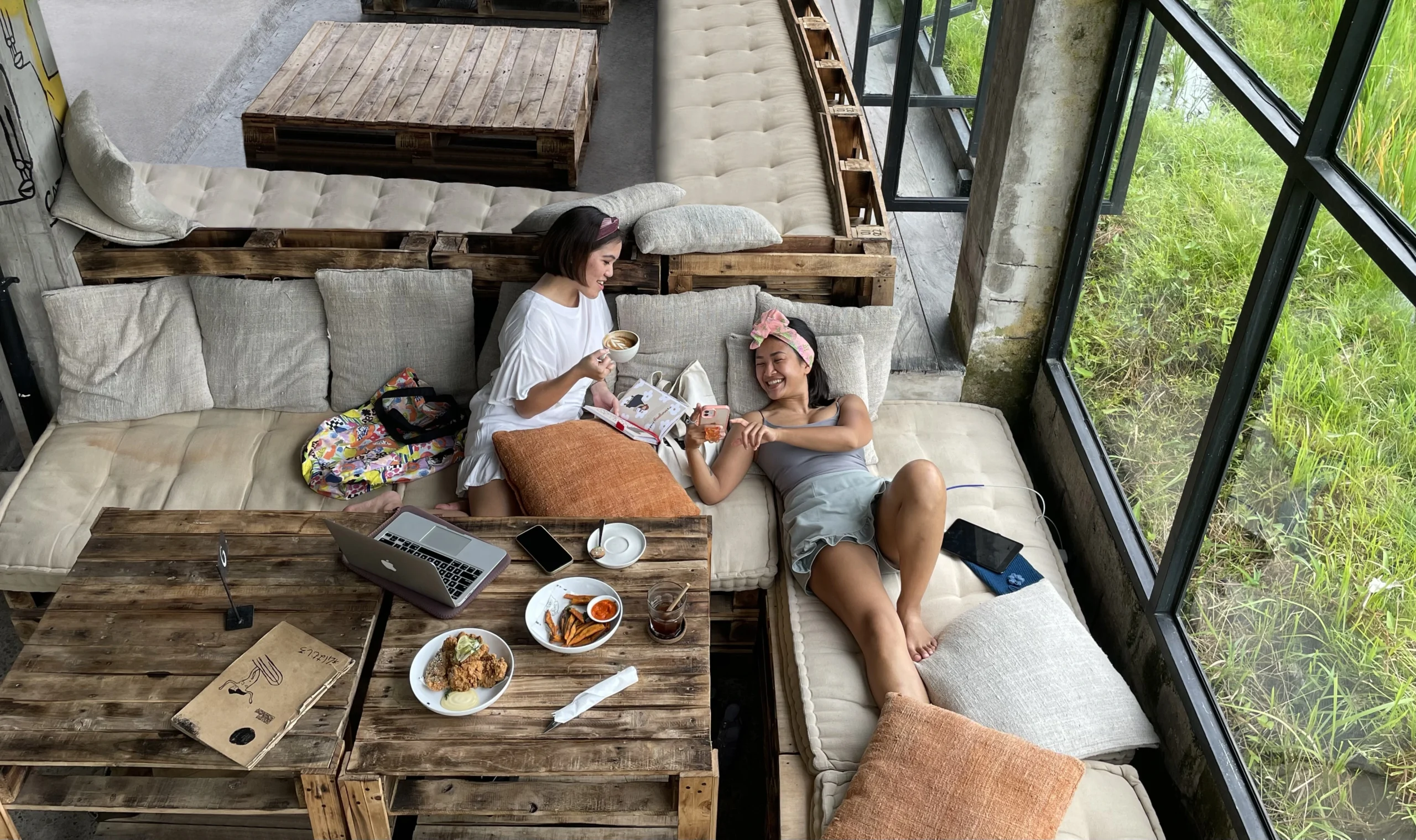
Indoor things to do in Bali Unlike countries with four seasons, Indonesia has only two: the wet season and the dry season. Both come with a tropical climate in most parts of the country, so expect warm temperatures alllll yearrr longgg, hehe. In Bali, the rainy season typically begins around October or November and lasts until February or March. While some travellers see the rain as a holiday hurdle, others welcome it as a chance to enjoy Bali at a slower pace, with cooler temperatures and a different kind of charm. And there are still plenty to do, even when it's pouring. From cosy cafes to creative workshops, here are some fun indoor activities to add to your Bali itinerary this rainy season. Indoor things to do in BaliA spa escapeA little sweat between feastsRecovery dayGet in touch with your artsy side!Play time for the little travellersCoffee and cosy cornersMake the most of your stay A spa escape Imagine this: rain pattering outside while you're tucked away in a cosy spa, surrounded by the soothing scent of frangipani or lemongrass. A Balinese gamelan plays softly in the background as you surrender to the goodness of a traditional Balinese massage, ahhh so good. And with many spas in Bali being very affordable, one spa day might turn into two, three, or who knows? When in Bali, let the pampering begin! A little sweat between feasts Holidays usually come with a little weight gain, but how about some muscle gains this time? hehe. Apart from endless cafes and restaurants, Bali has plenty of lovely gyms and studios offering everything from yoga and Pilates to HYROX, boxing, and MMA. Whether you're a fitness buff or just fancy trying something new, squeeze in a workout before heading off for that well-deserved buffet brunch..or lunch...or dinner...or all of them! My Go-To Gyms in Canggu for Strength Training, Classes, and Recovery Recovery day Rainy days are a pretty good excuse to take a break, especially if your body could use one too (after all the workouts!). Many gyms in Bali have recovery facilities like saunas, ice baths, steam rooms and pools. Some even have hammams, magnesium pools, infrared saunas and jacuzzis, while there are also wellness centres dedicated entirely to recovery! You'd be surprised how easily you can spend a whole afternoon just...relaxing. Get in touch with your artsy side! Bali has plenty of workshops to keep you busy on a rainy day, whether you're into painting, pottery, silver-making, or just want to try something for the plot. We've rounded up some artsy-partsy activities below. Go have a look, pick one, and make yourself a little holiday souvenir. Get Crafty: 8 Creative Classes and Workshops in Bali Play time for the little travellers If you're holidaying with kids, a little rain doesn't have to put a damper on the fun. From indoor playgrounds where they can run wild to museums where they can get curious, there are still plenty of ways to keep the little ones entertained. Some of the spots from our previous article below are fully indoors, making them perfect for rainy days. Have a browse and save a few for your next rainy-day adventure! Fun Kids Activities in Bali: A Little Something for Every Age Coffee and cosy corners There's something about rainy days in Bali that makes coffee taste even better. The sound of raindrops, a cosy corner by the window, and a good cup of coffee in hand. No rush, no plans, just you and your caffeine fix. There are soooo many lovely cafes in Bali to hide away in and romanticise the rainy season. Here are a couple of Kata Bella coffee lists featuring our picks around Canggu and Denpasar. Kata Bella's List of Good Coffee Shops in Denpasar Best Coffee Shops in Canggu, Umalas, and Nearby Areas Make the most of your stay Very often, we pick a dreamy resort or villa for our holiday, only to enjoy it for a few hours because we're too busy exploring outside. But if you're visiting Bali during the wet season, take it as a sign to slow down and actually enjoy the place you're staying in. Snuggle up in that comfy bed, catch up on your favourite shows, order some comfort food from room service, or simply spend some quality time with your family or friends. If you're in Bali with kids, here are some ideas of hotels with family rooms to check out. Family Friendly Hotels in Bali with Adorable Family Rooms Rainy season doesn't have to ruin your Bali holiday. If anything, it's a good excuse to slow down, try something new, treat yourself to a massage, discovering new cafes, or simply enjoy that lovely accommodation you booked. Sure, you might have to shuffle your plans around a little (and keep an umbrella handy, hehe), but Bali still has plenty to offer when the skies turn grey. So, don't let the rain stop you from having a good time! Hope you find this article useful, and happy holiday!

Things to Do in Canggu: Where Every Plan Turns Into Three More Image

29 May 2026 by Bella in Info

Things to Do in Canggu: Where Every Plan Turns Into Three More

Things to do in Canggu Here we are on another article about Canggu, because things to explore in this little bubble are endless. I have written a few articles about Canggu restaurants alone, and then a guide for first-timers, and now, onto a deeper dive, things to do in Canggu. Or maybe more like, what do you actually do when you live here? The funny thing about Canggu life is how quickly you realise that people here are somehow always busy doing absolutely non-urgent things haha. One person is heading to pilates, another is rushing to Hyrox, another is getting ready for an ice bath, while someone else is already on their second iced latte discussing “creative burnout” at 10am. If you feel attacked, don’t worry, I’m one of these suspects too lol. Ok, so here’s the best that I can do to summarise the fun things to do in Canggu. Eat absolutely everything One of the best things to do in Canggu is simply eating your way through it. The food scene is insanely diverse. In one day you can have Indonesian warung meals, Australian brunch, Japanese ramen, Italian pasta, French pastries, Mexican tacos, aaaaand more, aaaaand somehow all within 10 minutes of each other. Dangerous for both your wallet and your self-control, I guess. You can read my articles about Canggu restaurants here: My Little Canggu Restaurant List - Part 1 My Little Canggu Restaurant List - Part 2 Breakfast Spots in Canggu Worth Waking Up Early For Vegan Cafes in Canggu: 5 Nice Spots for your Daily Greens  Bali on a Budget: Cheap Eats in Canggu for Under 100K What else is there to do but eat? From left to right: Muda by Suka, Soogi Roll, Cure Welcome to Bali’s Capital of Wellness I wasn’t joking when I mentioned about people going to Hyrox because I feel like the wellness era never ends here. I’m interested to know how many regular gyms there are in Canggu alone, not to mention yoga and pilates studio, jiu jitsu and MMA gyms, padel courts, and other sports centre for other types of sports. Canggu is the it place for wellness activities whatever you like it or not, and so that’s why "wellness" sits at number two on this list. My go-to gyms and some recommendations: Woven Jiu Jitsu (Jiu Jitsu and mobility) Wellness Gym (Weightlifting, pool, sauna, and magnesium pool) Alpha Gym (Weightlifting and sauna) BYND Fitness Club (Weightlifting and lap pool) Undefeated Gym (Weightlifting, pool, sauna, steam room, and ice bath) Recovery but make it social Recovery culture in Canggu deserves its own category because people here recover harder than they party. Ice baths, steam rooms and saunas, sports massages, IV drips, breathwork - you name it. Recovery spaces have also become such a social thing here. Sometimes people don’t even go because they’re sore, they go because their friends are there, and afterwards everyone gets smoothies together. A very Canggu thing to do. My go to recovery spots: Amo Spa (Sauna, ice bath, steam room, jacuzzi, pool, hammam) The Block (Sauna, ice bath, jacuzzi, pool) Island Spots Club (Sauna, ice bath, jacuzzi, pool) Air Seseh (Sauna, ice bath, pool) Recovery, lift, recovery. From left to right: Bynd, Wellness, Air Seseh Catching (or Watching) Waves I don’t surf, and ironically I’m kind of just okay with beaches. But surfing is basically the unofficial daily ceremony of Canggu. People either head out super early in the morning or go for a sunset surf session in the afternoon. If you’ve never surfed before, don’t worry, there are plenty of surfing lessons around Canggu too. So you can absolutely live out your surfer life for a day if you want. Question, though…what do these surfers do for a living that they have all the time in the world to be at the beach every single day? Because I want that job. Beaches I go watch people surf: Berawa Beach Batu Bolong Beach Echo Beach Pererenan Beach Cafe hopping like it’s a full time job Ok this one, I do a lot. There are cafes absolutely everywhere, some are for working, some are for people-watching, some are for post-workout matcha, and some are clearly designed for someone to sit dramatically with a laptop answering emails. I would say, spending a slow morning cafe hopping is one of my favourite things to do in Canggu. Good coffee, good food, good weather, and nowhere particularly important to be.  My regular coffee spots : 7AM Bakers Monsieur Spoon Fine by Satu Satu Two Face Coffee Baked Final Thoughts I feel like this is why so many people end up staying in Canggu longer than planned even though it's crazy busy. The lifestyle here has a way of pulling you in. Your day starts casually with coffee, and before you know it, you’ve somehow been out all day doing a bunch of other things, hehe. Hope you find this helpful and thank you for reading!

Canggu Travel Guide: Surviving Bali's Busiest Neighbourhood Image

24 May 2026 by Bella in Info

Canggu Travel Guide: Surviving Bali's Busiest Neighbourhood

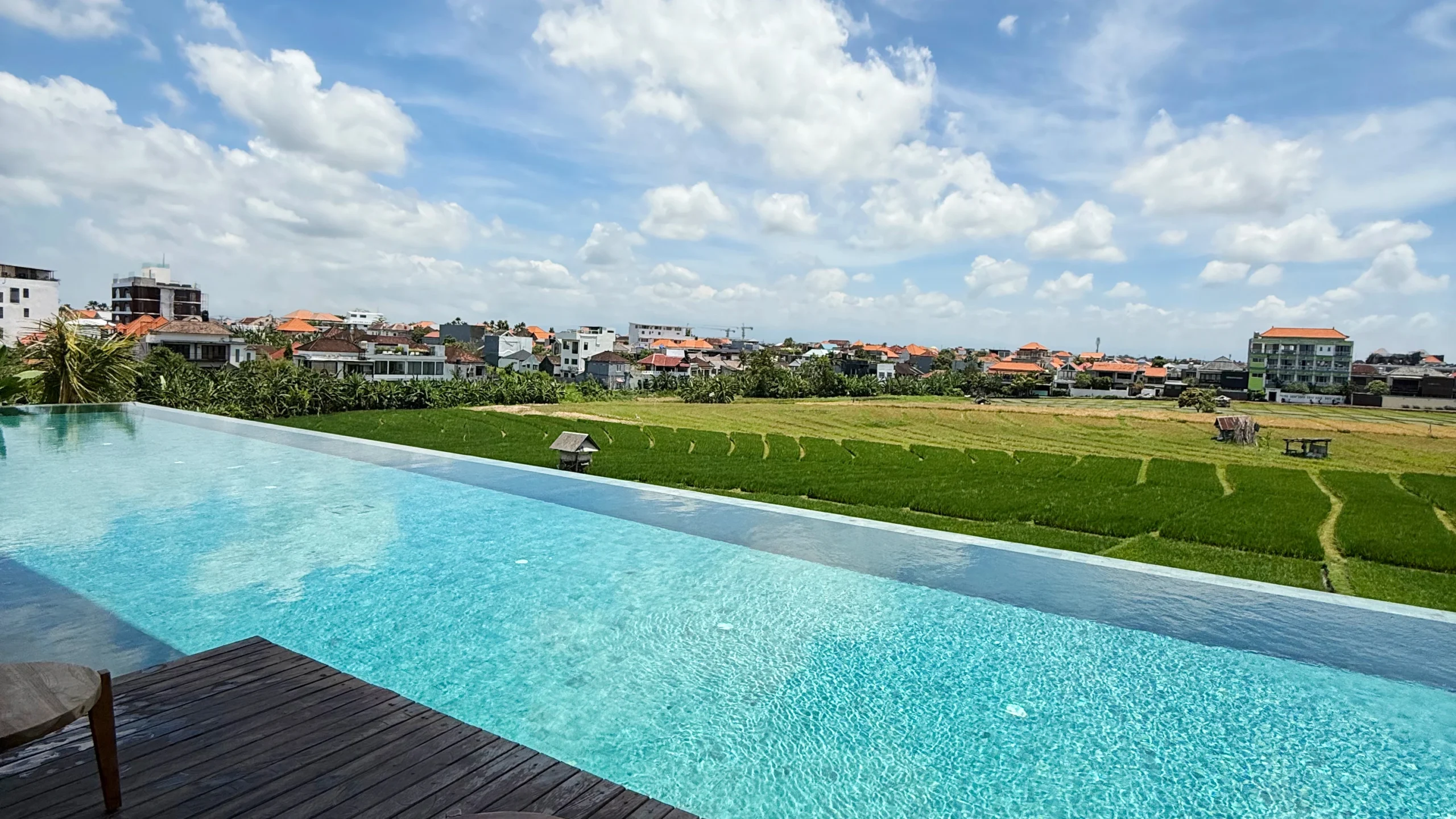
Canggu Travel Guide Canggu is only a tiny dot on the map of Bali, and yet more and more people seem drawn to that little dot more than anywhere else - sometimes forgetting there’s so much beauty on the other sides of the island too: rice fields, waterfalls, mountains, and the sea to dive into (literally). But I get the appeal. Canggu somehow has everything packed into one neighbourhood. If you don’t mind the always-busy streets, it’s the capital of fitness culture, surfing, food, food (yes, I mentioned food twice on purpose because there are just SO MANY good spots), recovery culture, remote work life, and… a traffic simulator too. Most people arrive in Canggu thinking it’ll just be a quick Bali stop. Then suddenly they’re extending their villa stay, signing up for Hyrox sessions they never planned to take, and debating which oat milk flat white is “the best in Berawa.” It happens fast. So if you’re looking for a proper Canggu travel guide, here’s the insider version. You may also like this article: What It’s Like to Live in Bali: Cost, Culture, and Everyday Life AREAS TO STAY Batu Bolong Crowd-o-metre: 9/10 Spoiler alert, it's probably the heart of Canggu chaos because this is pretty much the main strip that has everything. If someone says they’re “in Canggu,” there’s a high chance they mean Batu Bolong. Here, you’ll find: Busy cafés, warungs, and restaurants on basically every corner Convenience stores every few steps (you’ll never be far from iced tea or instant noodles) Medical centres and pharmacies for all your Bali emergencies Shops selling everything from surfwear and jewellery to random little knick-knacks Beach bars, breweries, live music spots, and sunset crowds All kinds of massage places, from 150K local spots to fancy 1Mill spa experiences Scooters everywhere, all the time Digital nomads with laptops in cafes Stay here if you are: A solo traveller who wants everything within walking distance A couple or single traveller who enjoys being in the middle of the action A remote worker A café hopper or coffee lover Someone who likes having options for literally everything A first-timer in Bali who wants the full “Canggu experience” Billie's, one of my favourite souvenir shops in Canggu Berawa Crowd-o-metre: 8/10 Every part of Canggu is busy, but Berawa feels a little more like an area where people actually live, mainly because first-time Bali visitors tend to gravitate more towards Batu Bolong. It’s still lively, but slightly more residential. There are also lots of brunch spots, nice restaurants, and gyms. Here, you’ll find: Restaurants with playgrounds and bigger spaces that are more family-friendly Healthy cafés, smoothie bowls, salad spots, and every kind of wellness food Villas - from cosy tropical stays to massive designer villas Coffee shops that have been around long before Canggu became "Canggu" Mid-to-upscale restaurants with cuisines from all over the world Fitness centres, recovery centres, and dance studios Boutiques, beauty salons, and concept stores Stay here if you are: A couple or family Planning to explore other neighbourhoods, since it’s slightly closer to Seminyak A foodie who wants international dining options Into fitness, wellness, or remote-working culture Pererenan Crowd-o-metre: 7/10 Pererenan is slightly less chaotic because it’s not right in the centre of the Canggu madness. Rice fields still exist here - they haven’t all turned into villas, cafés, or gyms every other month. The vibe feels more residential and slower-paced compared to Berawa or Batu Bolong. Areas like Tumbak Bayuh and Tiying Tutul are great options if you want a quieter stay while still being close enough to all the Canggu comforts. Here, you’ll find: Small boutique hotels and villas in quieter streets A mix of fitness spots - from local gyms to fancy wellness clubs, padel courts, martial arts gyms, and recovery centres More relaxed cafés, warungs, and restaurants A calmer remote-working crowd compared to Batu Bolong Stay here if you are: Wanting to stay close to Canggu, but not directly inside the chaos Not super into partying every night Into surfing, fitness, or wellness Happy to trade convenience for a slightly calmer atmosphere Okay with driving further for malls or bigger shopping areas - with Bali traffic, it takes 1-2 hours to get to Kuta Cure, one of the newest seaside restaurant and bar in Canggu PLACES TO EAT IN CANGGU I’ve written a few articles about restaurants in Canggu — from cheap eats to smarter dining spots — which you can find here: My Little Canggu Restaurant List - Part 1 My Little Canggu Restaurant List - Part 2 Bali on a Budget: Cheap Eats in Canggu for Under 100K 5 Must-Visit Best Coffee Shops in Canggu, Umalas, and Nearby Areas BEACHES AND SUNSET SPOTS If it’s your first time in Bali, or in Canggu, you might notice that the beaches here aren’t the postcard-style turquoise beaches people usually imagine when they think of Bali, like the ones in Uluwatu. The sand is dark here, and these aren’t really the kind of beaches people come to quietly sunbathe all day. In true Canggu fashion, the beaches here are more about the social life. Surfing, sunset drinks with friends, beach bars, music, people-watching, and somehow running into the same people everywhere you go. Canggu sunsets are basically a daily ritual. Around 5pm, everyone somehow ends up facing the ocean - surfers still sitting in the waves, people on bean bags with coconuts or Bintangs, kids running around, dogs playing on the beach, and someone inevitably playing acoustic music nearby. A few local beaches worth checking out: Batu Bolong Beach - probably the most social and busiest beach in Canggu Berawa Beach - popular for beach clubs and sunset hangouts Echo Beach - known for surfing and sunset spots Pererenan Beach - less hectic, with a more local and residential feel compared to central Canggu. Seseh Beach - technically a little outside of Canggu, but worth mentioning if you want somewhere quieter There are often community activities on the beach, like this grappling session my gym Woven organised TRAFFIC REALITY CHECK This part belongs in every honest Canggu travel guide: the traffic. It can get really chaotic, especially during high season, rush hours, sunset time, and dinner hours when everyone seems to leave the house at once. A distance that looks “close” on Google Maps can sometimes test your patience, your scooter skills, and your decision to stay in Canggu. The usual traffic hotspots: The famous Canggu shortcut - the worst that could happen is a full-on gridlock with scooters squeezing through every possible gap Berawa junction - somehow busy at almost every hour of the day Batu Bolong main road before sunset and dinner time Any road near beach clubs during sunset hours Random tiny streets that suddenly become two-way traffic with 200 scooters and one confused car Best strategy: Stay close to the area you’ll spend most of your time in Don’t over-schedule your days Drive a scooter or use Gojek/Grab if you’re not comfortable riding Leave earlier than you think you need to Accept that “5 minutes away” in Canggu is sometimes emotionally optimistic So yeah, Canggu is a strange little bubble where wellness trends, digital nomads, smoothie bowls, rice fields, and traffic chaos somehow all coexist together. Some people absolutely love it, some people leave after two days overwhelmed, and somehow both reactions make complete sense. Hope you find this Canggu travel guide useful. Have a fun trip, stay safe, and always wear a helmet when you’re on a scooter - even if you’re only going 200 metres away. Thanks for reading!

5 Co-working Spaces in Jogja to Get Things Done Image

12 Apr 2026 by Bella in Info

5 Co-working Spaces in Jogja to Get Things Done

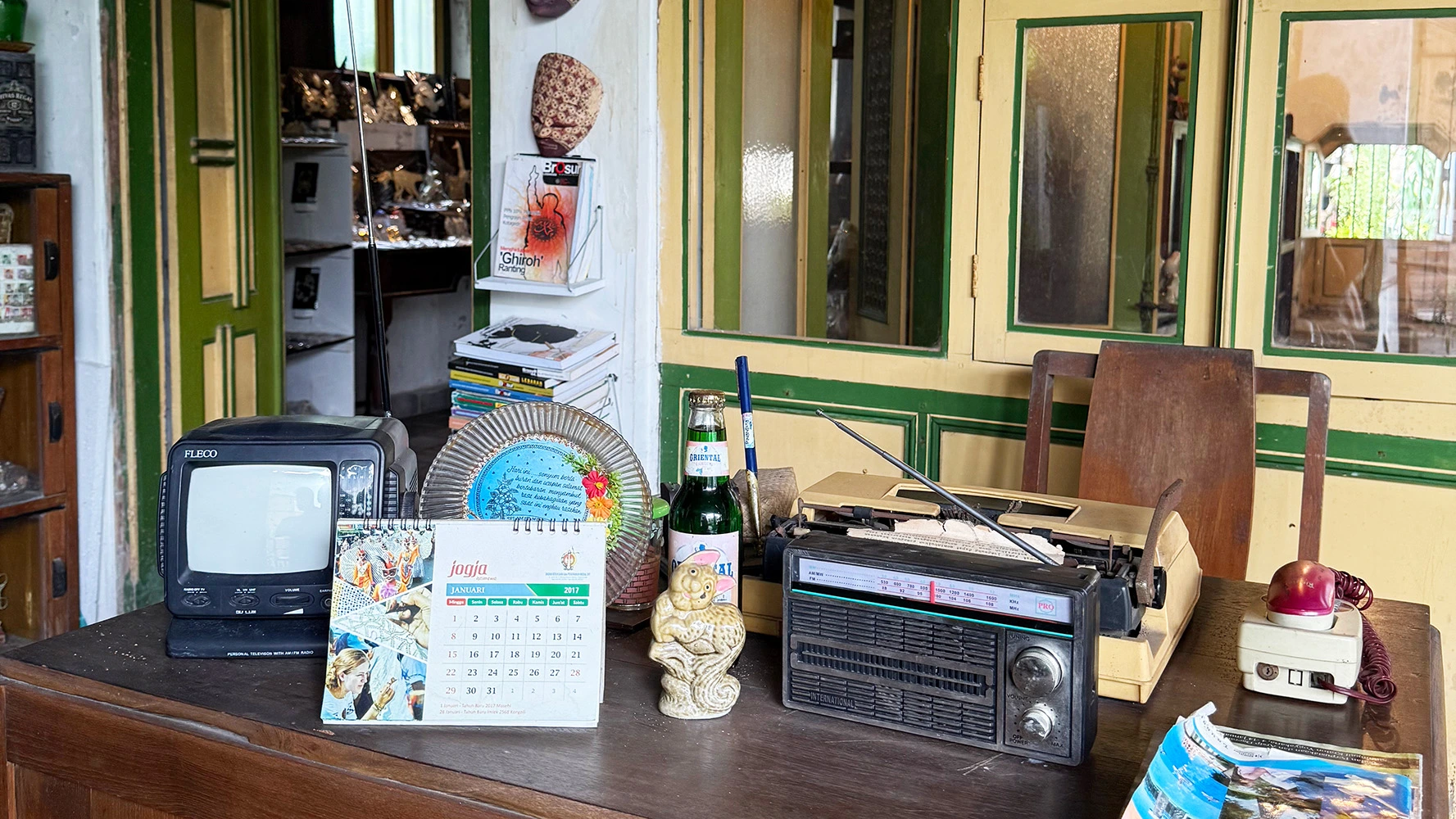
I was in Jogja visiting my parents, and while their house is nice (and rent-free, with three free meals a day, hehe), I still prefer working in a proper work setup; less distractions, more focus, proper chair for your back. So I ended up trying a few spots around the city which I was surprised are very affordable, and I put together this list, so you don’t have to go through the hassle of checking and contacting them one by one. Ps. A little bonus fun fact in case you didn't know, Jogja has a free public wi-fi network called "Jogja Istimewa" that you can connect to around the city, super handy if you ever need a quick connection on the go. Based on my experience, the connection is quite decent, though at my parents’ house it tends to be faster at night. Pps. You’re welcome 😉 KLA Co-working SpaceCreative HubGenius IdeaCrônica Creative Working SpaceAntologi Collaborative Space You may also like this article: Lokananta - Why This Musical Landmark is a Must-Visit in Solo KLA Co-working Space Don’t panic when you walk in and it looks like a computer shop - because it is, lol. The coworking space is on the second floor. You just need to order coffee or snacks from their little stall to use the space. It’s nice and bright, with plenty of tables and easily accessible plugs. There are also booths with more comfortable chairs, shared tables, as well as private meeting rooms you can book in advance. The internet is good enough, and when I was there, most people were university students studying or working on assignments, so it was chill and quiet. Image credit: KLA Google page 💰 Price: From IDR 20K (for coffee) ⏰ Opening Hours: Monday to Sunday, 9am-8.30pm 📍 Address: Jl. Prof. Dr. Ir. Herman Johannes Jl. Sagan No.73, Samirono,Caturtunggal, Yogyakarta 55223 Creative Hub They have a few branches across Jogja, but I’ve only been to the one in Gejayan. I needed to work on a Sunday and it was the only location open (remote work comes with flexibility, but also means work can show up anytime lol). Since it was Sunday, it was just me and one other person in the whole coworking space. There’s a café where you can order drinks and snacks, and the overall ambience was good. Image credit: Creative Hub Google page 💰 Price: 20K (half day day), 40K (full day) ⏰ Opening Hours: Monday to Sunday, 8am-9pm 📍 Address: The Jayan Building, 1st Floor The Jayan Building, Jl. Affandi No.4 Lt. 1, Gejayan, Condongcatur, Yogyakarta 55281 (Check their website or Instagram for other locations and opening hours) You may also like this article: Goolali Gelato Bar & Pâtisserie - Semarang’s Sweetest Escape Genius Idea I booked a private room at Genius Idea once because I had a few online meetings that day. It’s only IDR 150K for a full day for a small room that fits up to 5 people. You can also book it for half a day for 75K, but I figured I’d just have the whole space to myself to finish my deadlines. They have quite a few rooms, a pantry on the first floor, plus free coffee and tea. It’s more of a focused office space, so there’s no café inside, but you can order food online. There’s also an outdoor area and some sofas in the hallway where you can eat or take a break. Image credit: Genius Idea Google page 💰 Price: 75K/ day (plus tax) ⏰ Opening Hours: Monday to Friday, 8am-6pm 📍 Address: Jl. Magelang No.32-34, Cokrodiningratan, Jetis, Yogyakarta 55233 Crônica Creative Working Space This co-working space is perfect for those days when work is a bit lighter. The setup is more relaxed, maybe good for a research day or wrapping up the last few emails on a Friday, since the tables and chairs aren’t very office-like. The vibe is also more chill café than quiet workspace. If you need privacy for important calls, they have a phone booth available upstairs for IDR 50K for 5 hours, but you need to book in advance. Other than that, the space is free to use as long as you order coffee or food from the café. The only downside is that not every table has access to a plug, so you will need to take turns with people nearby. Image credit: Crônica Google page 💰 Price: From 20K (for coffee) ⏰ Opening Hours: Monday to Sunday, 7am-10pm 📍 Address: Jl. A.M. Sangaji No.62 Lt. 02, Cokrodiningratan, Jetis, Yogyakarta 55233 Antologi Collaborative Space It’s under the same management as Crônica, and the staff recommended this space to me. I haven’t had the chance to visit yet, but thought I’d add it to the list so you’ve got more options. Aside from the co-working space, there’s also a café, an event space, and even a garden area. Membership is pretty affordable too, starting from just 45K a day. Image credit: Antologi Google page 💰 Price: IDR 45K (daily), 175K (weekly), 599K (monthly)  ⏰ Opening Hours: Monday to Sunday, 7am-10pm 📍 Address: Tawangsari CT II Gg. Gayamsari II No.9C, Karang Wuni, Caturtunggal, Kec. Depok, Kabupaten Sleman, Yogyakarta 55281 Whether you’re in Jogja for a quick visit or staying a little longer, there are plenty of spots to get work done. Each place has its own vibe; some more focused, some more laid-back, so it really depends on what kind of workday you’re after. Also, don’t be alarmed when locals say “it’s so far from here”, because most of the time…it really isn’t, hehe. Especially if you’re from Jakarta or other big cities, a 10 to 30-minute commute is basically nothing, right? hehe. Anyway, enjoy your work-holiday in Jogja, and don’t forget to explore and eat lots of delicious food after work!

Creative Connections: 5 Bali-based Illustrators and Designers Image

16 Mar 2026 by Bella in Info

Creative Connections: 5 Bali-based Illustrators and Designers

(Main image by Hemo Art) “Bells, do you know any freelancers who can help me with a design?" Aside from “Where’s your favourite bakery to go for scones?” - this is probably one of the most common questions I get from friends (knowing I work in the creative field). Lucky for you, I do know some talented folks, but it really depends on what you’re after. A logo? Branding services? Graphic design? Product design? Illustrations? Let me help you out!  Hemo ArtClara Claudia SafistaFinda AyuKumonjiaBunny  Hemo Art The world of Hemo Art is imaginative, whimsical, and full of personality. Their work screams fun, colourful, and cute, with a signature style featuring quirky monster characters you can’t help but love. Illustration is their strong suit, making them a perfect fit if you’re looking to build a brand, create a children’s storybook, or design playful packaging.  👩🏻‍🎨 Specialty: Illustration and children story books🎨 Portfolio: www.behance.net/hemo-art📱 Instagram: @hemo.art Playful, imaginative, and cheerful, Hemo Art is perfect for kids projects Clara Claudia Safista Clara is a multi-talented artist with a diverse skill set. She helps brands grow through brand identity development, logo creation, digital and printed collaterals, vector work and illustrations, as well as technical packs for the fashion industry. Bonus point: She’s also an absolute sweetheart, making every collaboration feel easy and enjoyable. 👩🏻‍🎨 Specialty: Illustration and graphic design🎨 Portfolio: https://claraclaudiakeke.myportfolio.com/📱 Instagram: @claraclaudia.14  If you're starting a business, Clara can translate your vision into a brand kit You may also like this article: The Vibrant Journey of Xoxo Bali - 2024 local shop guide Finda Ayu If you don’t know already, Finda Ayu is the creative mind behind Bali’s vibrant merchandise brand, Xoxo Bali. If you head over to their page, you’ll quickly get a sense of her illustration style and visual identity. While her main work lies in product design, she’s also highly versatile and can adapt to whatever you need on the graphic design side - from social media content and promotional materials to branding assets, packaging, and more. 👩🏻‍🎨 Specialty: Illustration, product design, and graphic design🎨 Portfolio: https://www.behance.net/findaayu📱 Instagram: @xoxobali Finda has collaborated with various big brands like Disney, Surfer Girl, and Bali Soap Kumonjia Their main work is illustration, known for a soft watercolour style, but they can actually adapt to all kinds of visual directions- from cute and playful to clean and corporate. They also handle brand kits if you’re starting a business, photography, motion graphics, promotional materials, menu design, product design, and more. Basically, whatever style or creative support you need, Kumonjia delivers. 👩🏻‍🎨 Specialty: Illustration and graphic design🎨 Portfolio: https://kumonjia.myportfolio.com/illustration📱 Instagram: @kumonjia From passion projects to corporate briefs, Kumonjia can adapt effortlessly Bunny  Bunny works on her personal project Bunny Bone - a collection of reflections about herself, women, and Indonesia’s culture and people, which she deeply loves. The works are mostly acrylic paintings for now. More recently, she’s also been developing Bunny Jitsu, a jiu jitsu-inspired art project featuring digital art, oil pastel drawings, and merchandise.So if you’re looking for acrylic projects or jiu jitsu-inspired commission work, from merchandise to murals, she’s your girl.  Ps. She is also the founder of Rumah Rabbit Bali, an art space dedicated to creativity and playful learning. 👩🏻‍🎨 Specialty: acrylic painting, oil pastel drawing, digital art🎨 Portfolio: Check out her works on Instagram📱 Instagram: @bunnybone, @bunnyjitsu, @rumahrabbitbali Some of Bunny’s recent work includes a mural at a new jiu jitsu gym in Jakarta You may also like this article: Things to do in Bali: Fun Art Classes at Rumah Rabbit And there you have it - talented creatives from Bali who are definitely worth keeping on your radar. Whether you’re building a brand, working on a passion project, or simply need a fresh visual touch, these lovely humans might just be the collaborators you’re looking for. If their work speaks to you, don’t hesitate to reach out and say hello. Who knows, it might just be the beginning of a beautiful creative partnership. Hope you find this useful, and thank you for reading! 😊

How to Stay in Thailand Visa-Free for 90 Days Image

18 Feb 2026 by Bella in Asia

How to Stay in Thailand Visa-Free for 90 Days

If you’re Indonesian, you probably already know that Thailand is among the countries we can enter without a visa. But I only recently found out that not many people realise you can actually stay for a total of 90 days. You get 60 days visa-free when you first enter, and then you can apply for an extension at the local immigration office. At first, I thought I needed a visa agent because I’d never done anything like this before and was scared of getting rejected. But when I went to the immigration office in Chiang Mai for the first time, they happily explained the steps. It was surprisingly easy - and you can absolutely do it yourself. Check how many days you can stay in Thailand visa-free on Thai e-visa official website You may also like this article: A Guide to Doi Suthep Temple, Chiang Mai: 4 Things to Know The first 60 daysArriving in ThailandAfter your first 30 daysApplying for your extensionFinal Thoughts The first 60 days After checking several trusted official websites, the rule (at the time I’m writing this) hasn’t changed. Indonesians can enter Thailand visa-free and stay for 60 days, despite the uncertain news you might have seen on social media. What shocked me was that during check-in at Soekarno–Hatta, when I showed my return ticket, the staff questioned my 60-day stay - even the immigration officer seemed unsure. But don’t worry. If you’re ever in doubt, you can check the official Thai e-visa official website and enter your nationality (if you’re not Indonesian) to confirm whether you can enter visa-free and how long you’re allowed to stay. Fill in TDAC online before you fly Arriving in Thailand Don’t forget to fill in the TDAC (Thailand Digital Arrival Card) form before arriving in Thailand - you can do it a day before your trip to stay organised. In the form, you’ll be asked for your return flight details. When you’re in the immigration line, you just need to scan the barcode sent to your email. As long as you haven’t been going in and out of Thailand a suspicious number of times in the past few months, you should be fine. I landed at Suvarnabhumi Airport in Bangkok, and after scanning the QR code, they didn’t even ask me any questions. You may also like this article: What It’s Like to Live in Bali: Cost, Culture, and Everyday Life After your first 30 days Depending on where you’re staying in Thailand, you can look up the nearest immigration office. I was based in Chiang Mai, and the immigration office there is conveniently located inside a shopping mall called Central Festival Chiang Mai. After you’ve spent a month in the country, or basically before your 60 days run out, you can apply for a 30-day extension. Here’s what you’ll need: Applying for your extension It’s actually pretty straightforward once you have all your documents ready. You can show up during opening hours, but like most administrative offices, I’d suggest going early. I’m not sure about other cities, but in Chiang Mai they’re closed for lunch from 12–1pm. When I arrived, an officer checked our documents first. They’ll let you know if you’re missing anything or forgot to fill in a section. If everything’s in order, they’ll sign it off and give you a queue number. After that, you just sit inside and wait for your number to be called. When it’s your turn, hand over the checked documents and pay the 1,900 Baht fee in cash. Then you wait another 15–30 minutes (depending on how busy it is). Your name will be called, they’ll take a quick photo of you, and hand back your passport with a new stamp giving you another 30 days to stay in this beautiful country. In my personal experience, I wasn’t asked a single question, and the staff were actually pretty nice - you know how immigration offices can sometimes feel a bit intimidating? Anyway, that’s it. The whole process was done in one day, which was great and super efficient. Final Thoughts So yes, staying in Thailand visa-free for 90 days is completely doable for Indonesians and many other nationalities, and you don’t need an agent to make it happen. It might feel intimidating at first (especially with all the mixed information online), but once you understand the steps, it’s actually very manageable. My biggest tips are to double-check official sources, prepare your documents properly, and go early to the immigration office. That’s really it. Hope you find this article useful and happy holiday! 

Things to do in Bali: Fun Art Classes at Rumah Rabbit Image

06 Feb 2026 by Bella in Info

Things to do in Bali: Fun Art Classes at Rumah Rabbit

There are so many things to do in Bali, from sightseeing and beach hopping to hiking, cultural trips, endless culinary adventures, and all kinds of parties if you’re into that. Me, personally - I’ve retired from the nightlife and now gravitate towards activities that feel more relaxing and laid back. And when you live here, it’s easy to fall into the same everyday routines - even though there’s so much to do. Somewhere between work and the gym, I found myself craving something different, something to reignite my creative side.  A few months ago, I stumbled upon a lovely little art space in Pererenan called Rumah Rabbit. Translating to Rabbit’s House in Indonesian, it’s a creative playground offering art classes for kids and big kids. The lovely founder, and one of the art teachers - Bianca Timmerman, also known as Bunny Bone, showed me around her art studio and shared the stories behind Rumah Rabbit. One of the kids drawing classes at Rumah Rabbit You may also like this article: What it's like to live in Bali - cost, culture, and everyday life Table of ContentsThe Story Behind Rumah RabbitA House Full of CreativityThe Perfect Bali Holiday Activity The Story Behind Rumah Rabbit Bunny is a contemporary artist from Jakarta. She relocated to Bali in 2008 and worked as a fine art curator at an established gallery in Seminyak for quite some time. Just before Covid hit in 2020, she began teaching drawing and painting from her home in Pererenan. She did everything herself back then; from preparing teaching materials and running classes to scheduling, buying art supplies, marketing, and even cleaning the studio. What started as small classes has now grown organically into Rumah Rabbit, with regular daily classes taught by Bunny herself and a few other art teachers.What I love is that Bunny isn’t just teaching art - she regularly holds her own exhibitions and recently curated a kids’ exhibition featuring her students’ work, which was very cute and impressive. Beyond the studio, she’s involved in various art projects, from commissioned pieces to her most recent mural at Carpe Diem Jiu Jitsu Gym in Jakarta. Bunny also trains Brazilian Jiu Jitsu and turns her love for the sport into artworks! A multi-talented girl, she is! The recent kids art exhibition by Rumah Rabbit "Bhineka Warna" A House Full of Creativity The moment you enter Rumah Rabbit, it feels like home, like you’ve been invited into Bunny’s house to play. There are several rooms dedicated to different art classes. For kids, there are drawing, painting, and craft sessions using a variety of materials and techniques, including acrylics, watercolours, pastels, coloured pencils, paper crafts, recycled and found objects, dry air clay, and more. They offer just as many classes, if not more, for adults. You can also book personalised private classes for special occasions like birthdays, hen’s nights, or team bonding activities. You may also like this article: 4 Must-Visit Underrated Coffee Shops in Canggu, Umalas, and Nearby Areas Some of Bunny's paintings at Rumah Rabbit The Perfect Bali Holiday Activity You could easily spend most of the day here. It’s also a great spot for kids to unplug from their gadgets, and for parents to enjoy a few hours of well-earned kid-free time. Everyone is welcome, from absolute beginners to emerging artists looking to sharpen their skills. Honestly, I think the world needs more art spaces like this. So, if you’re in Bali, or live in Bali, do check out Rumah Rabbit and let your inner artist come out to play.    RUMAH RABBIT📍Jl. Bumi Damai Indah, Pererenan, Kec. Mengwi, Denpasar, Bali 80361🎨 Group and private classes available💵 From 450K per person⏰ Group class duration: 1–3 hours🖼️ Classes available for toddlers (from 2.5 years old) to adults👩🏻‍💻 Book your class via the Rumah Rabbit website ☎️ WhatsApp: +62 881-0384-49407

What It’s Like to Live in Bali: Cost, Culture, and Everyday Life Image

22 May 2025 by Bella in Info

What It’s Like to Live in Bali: Cost, Culture, and Everyday Life

If you're new to Kata Bella, you're probably wondering what this website is all about. So hi! I'm Bella. I started this page as a blog to share fun and interesting things about life in Bali - the place I've called home for the past 12 years, as well as bits and pieces from my journeys outside Bali too. I first moved here completely unplanned - I “accidentally” got a job while travelling. Yep, accidentally. I left my big city life behind and landed on this island with nothing but a small suitcase. Wait…where is Bali again? Bali might sound familiar -  people talk about it all the time. But I’m no longer surprised that a lot of people still don’t know where it is (It’s okay, though. No judgement here). So here's a quick geography check: Bali is a small island in Indonesia, a country in Southeast Asia made up of over 17,000 islands. Despite all that competition, Bali has consistently been in the spotlight as one of the most popular tourist destinations in the world. You might also like this article: Things to do in Bali - Fun Art Classes at Rumah Rabbit The magic of Bali: what keeps people coming back There are plenty of reasons! Surfing is a big one. Not for me, but a lot of the friends I’ve met here came for the waves and ended up never leaving. Bali’s got some legendary surf spots, especially for seasoned surfers, like the world-famous Uluwatu, Padang Padang, and Bingin.  Another major perk is the tropical weather. Bali has only two seasons: the wet season, usually from November to March, and the dry season for the rest of the year. Simple, sunny, and warm pretty much all year round - no winter coats needed! Beyond the beaches, there are some lush green rice terraces. You might recognise some of them from Eat Pray Love. Two of the most iconic ones are Tegalalang and Jatiluwih. Jatiluwih rice fields - known for producing good quality organic rice If you’re more into hiking, Bali’s got that covered too. The island is home to several volcanic mountains, with options for everyone - from casual hikers to hardcore trail runners. Mount Batur is a popular sunrise hike that’s beginner-friendly, while Mount Abang or Mount Agung offer a more challenging climb. Ok next, chances are, you’ve heard that many people come to Bali to find healing, with plenty of spots offering spiritual journeys and wellness retreats. Honestly, the list is endless. Bali really does have something for everyone. Whether you’re into silent retreats and meditation or the party scene (I’ve been through all kinds of phases during my 20s here, hehe). The highland areas of Bali, like Kintamani and Bedugul has cooler temperatures But for me, it’s the local Balinese people who make Bali truly special. While they’re open-minded and influenced by Western culture, there’s still a deep-rooted sense of tradition, spirituality, and ceremony. It’s not unusual for your Monday morning commute to be paused by a temple procession right in the middle of the road - and that’s part of the charm. I often get invited to odalan (ceremonies), and I still remember getting my first Balinese attire. Next thing I knew, I had a whole collection in different colours for all kinds of occasions! What to expect when you live in Bali Living in Bali definitely has its perks - especially if you’re into that laid-back, but not too slow, kind of slow living. It’s not as fast-paced or hectic as Jakarta or other big cities, so if you’re all about climbing the corporate ladder, Bali might not be the best fit. But it’s not super quiet either - definitely not like a sleepy village. Bali strikes a nice balance between work and play, hustle and chill. It's a real perk to still have time for yourself after work I said yes to my first job here because I was drawn to the work-life balance, the quality of life, and the lifestyle I wanted. Sure, work is still work - busy days happen just like anywhere else, but it’s the little things that make a big difference. Like riding your scooter to work and stopping by a nice little coffee shop (many open crazy early, like 6 or 7am - Thank you to the early-rising surfer crowd!). Or clocking out right on time at 5pm when the sun’s still shining, and having enough time to catch up with friends, go to my jiu jitsu class, or general errands. It’s all about having the time and space to do more than just work - and being reminded every day that life’s meant to be enjoyed, not spent glued to a screen. You may also like this article: Brunch in Bali - Rediscovering Legian through Farmer’s Daughter Living cost in Bali: what you need to know There’s really no right or wrong answer to this - it all depends on your lifestyle. Since Bali’s in Southeast Asia, things are generallypretty affordable. If you live like the locals do; eat at warungs (local eateries), rent in residential neighbourhoods, shop at traditional markets, and ride a scooter to get around - then yes, living in Bali can be really cheap. You could comfortably get by on a modest budget. But if you’re chasing that dreamy Instagram lifestyle; private villas with pools, daily brunches at photogenic cafés, shopping at boutiques, and regular spa treatments, then Bali can get expensive quickly. Many of those things are priced for tourists and expats, not locals. And let’s talk about extras: gyms, yoga studios, pilates, martial arts, CrossFit, dance classes, imported groceries, international schools if you have kids, all those things that have been brought into Bali from the outside are still considered “luxuries” here. So they’re priced accordingly.  So yeah, Bali can be as cheap or as pricey as you make it. It’s all about what kind of life you want to live. Let me break down the math for you. Getting around Bali: scooters, taxis, and more One of the first things you’ll notice when living in Bali is just how popular scooters are. Renting or buying a scooter is by far the easiest and most affordable way to get around the island. Just make sure you’re steady and confident enough to navigate Bali’s often chaotic streets - and always wear a helmet for safety! If you’re not comfortable driving, it’s probably safer to avoid it. There are plenty of taxis available, and apps like Gojek or Grab make getting around affordable and hassle-free. Personally, I’m not a fan of traveling by car here because, aside from the highways and main roads, Bali’s streets are narrow and prone to heavy traffic - especially during peak holiday seasons. So, if you want to survive and thrive in Bali, a scooter is definitely your best friend. Food scene in Bali: local flavours and international eats Don’t worry - I didn’t forget to write about the food. Bali’s food scene is just as diverse as the island itself. You can eat like a local with nasi campur (rice with various side dishes), satay skewers, babi guling (suckling pig), or ayam betutu (Balinese spiced grilled chicken) at any warung (local food stall). But does “Bali belly” exist? Well, it’s a valid concern - Balinese, or Indonesian spices can be a bit intense for first-timers, so go easy in the beginning and listen to your gut (literally). If you’re craving something more familiar, Bali is a total melting pot. You’ll find just about every type of cuisine here; from Japanese and Italian to Middle Eastern, Indian, and more. There are also loads of vegetarian, vegan, and gluten-free options, so no one gets left out at the table. You might also like this article: Bali Home Bakeries to Sweeten Your Celebrations Okay, so that’s a rough idea about Bali and what living in Bali is like - at least through the eyes of a girl who came for one year and somehow ended up staying for twelve (still here!). In short, I genuinely love living here. It’s not always rainbows and butterflies, of course, especially when high season traffic hits - but hey, I am totally aware that I live in a holiday destination ;) If you’re thinking about making the move or just curious about what it’s really like to call Bali home, stick around. I’ll be sharing more stories, tips, and guides to help you navigate island life with a little more ease and a lot more fun.  Matur Suksema for reading!

Easter Joy for Every Bunny: Padma Golden Egg Hunt Image

08 Apr 2025 by Bella in Info

Easter Joy for Every Bunny: Padma Golden Egg Hunt

“Spring has sprung,” as they like to say in the West when April rolls around. While the season doesn’t quite make it to tropical Bali, Easter is still a big deal on the island. Hotels go all out with Easter brunches, the kind that might just have you unbuttoning your jeans from all the deliciousness. But beyond the brunches, there’s one fun tradition that Padma Hotels brings back every Easter weekend - not just in Bali, but across all their properties in West and Central Java too; Padma Golden Egg Hunt. This activity brings back all the nostalgic feels - remember the good old days of egg hunting? Well, Padma Hotels is keeping the tradition alive at all their properties: Padma Resort Legian, Padma Resort Ubud, Padma Hotel Bandung, Padma Hotel Semarang, and Resinda Hotel Karawang. Last year, guests absolutely loved it, with families and friends joining in the fun, racing to find the hidden eggs and sharing laughs along the way. It was such a hit that it’s making a much-anticipated return! There’s one golden egg to find each day, and it’s got the main prize inside! Newsflash: if you're thinking of a staycation at Padma Hotel Bandung, better book it soon - they’ll be closing temporarily for a mega transformation starting 20 April 2025! Clues for the egg hunt will be shared on each hotel’s Instagram account (so keep those notifications on or someone else might beat you to it!). Every egg has a fun little treat inside - think ice cream, dessert, or milkshakes, but there’s ONE Golden Egg per day, and that one holds the grand prize. And hey, big kids! Don’t worry, this hunt is open to all ages! No guarantee the adults will win though…because the little ones have way too much energy to keep up with! hehe. It’s such a fun and thoughtful tradition from Padma Hotels, a brand already known for being super family-friendly. It’s not really about the prizes, it’s the joy of the game that makes it so special. So, get ready to channel your inner detective from Friday, 18 April to Sunday, 20 April 2025 at your favourite Padma Hotels destination! Stay tuned to their official Instagram accounts: @padmalegian, @padmaubud, @padmabandung, @padmasemarang, @resindahotel