


Asia
A Nostalgic Escape: Where to Stay and Eat in Yogyakarta
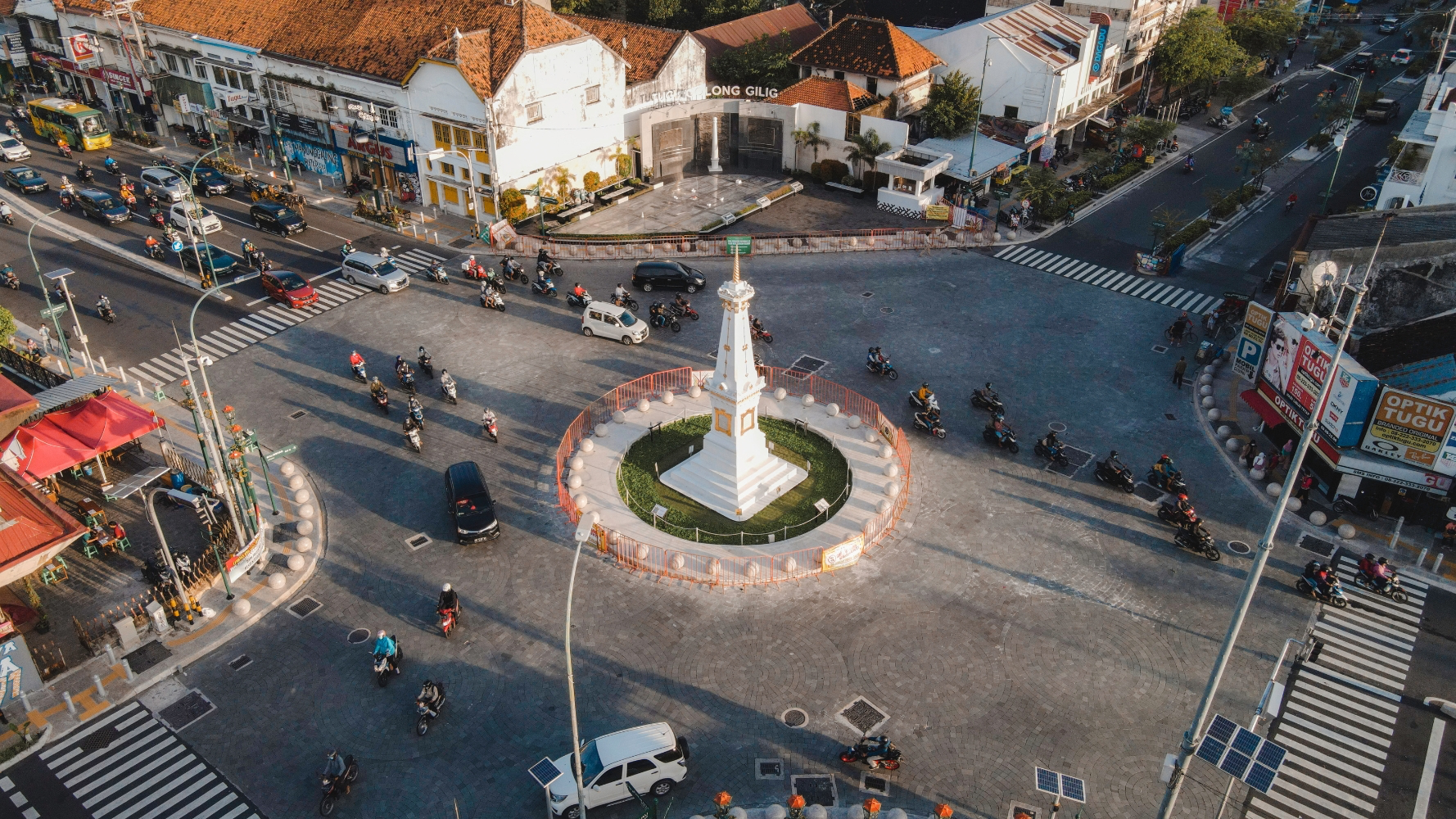
NOSTALGIC TRAVEL TO YOGYAKARTA – an article by Anne Diana Putri
Eight years later, I came back for ArtJog (annual contemporary art festival in Yogyakarta) – but stayed for everything else.
Eight years. That’s how long it had been since my last trip to Yogyakarta – or Jogja, as Indonesians lovingly call it. Funny how a city can stay frozen in your memory, only to surprise you when you finally return. This time, my excuse was ArtJog.
But somewhere between gallery hopping, bowls of gudeg (Yogyakarta’s signature jackfruit dish) at breakfast, sipping specialty coffee, discovering century-old jamu (herbal drink) recipes, and taking the slow train to Solo, I realised I wasn’t revisiting Yogyakarta. I was meeting a completely different version of it.
Flying from Bali takes only one hour and fifty minutes – almost the same as flying to Jakarta. Yet somehow, the moment I stepped outside the airport, life immediately moved at a different pace. The new Yogyakarta International Airport feels modern, spacious, and surprisingly efficient. A direct airport train takes only thirty minutes to downtown for IDR 75,000, making the city more accessible than ever. But what fascinated me wasn’t the infrastructure. It was how confidently Jogja has grown.
For years, people have known it simply as Kota Pelajar (the city of students). Today? I’d call it Indonesia’s Creative Capital. A place where heritage and contemporary culture coexist effortlessly. Traditional markets sit comfortably beside minimalist cafés. Ancient recipes share the spotlight with experimental tasting menus. Artists, coffee roasters, chefs, historians, and young entrepreneurs all seem to speak the same language:
“Create something meaningful.“
Unlike Jakarta, which constantly asks you to move faster, or Bali, which often feels curated for visitors, Jogja simply exists. Quietly. Confidently. Authentically. And perhaps that’s exactly why it keeps pulling people back.
You may also like this article: 5 Co-working Spaces in Jogja to Get Things Done
Table of Contents
WHERE I STAYED
Grand Hotel de Djokja
If you’re visiting Jogja for the first time, this is probably where I’d tell you to stay. The location couldn’t be better – perfectly positioned between Tugu Station and Malioboro, allowing you to explore the city’s heritage on foot.
One experience I particularly loved was the hotel’s traditional portrait session. Guests can wear Javanese kebaya and beskap (traditional attire) while being photographed inside the heritage property. It sounds touristy, and it is – but in the best possible way. Sometimes embracing local culture begins by simply dressing the part.
📍Google Map: Grand Hotel de Djokja
Casa Wirabrajan
If ArtJog is your main destination, Casa Wirabrajan offers an entirely different experience. Simple, affordable, and surrounded by creative energy, it’s located in the same area of the Jogja National Museum. The neighborhood has quietly evolved into one of the city’s most interesting creative districts, filled with cafés, local eateries, live music, and artists gathering long after sunset.
📍Google Map: Casa Wirabrajan
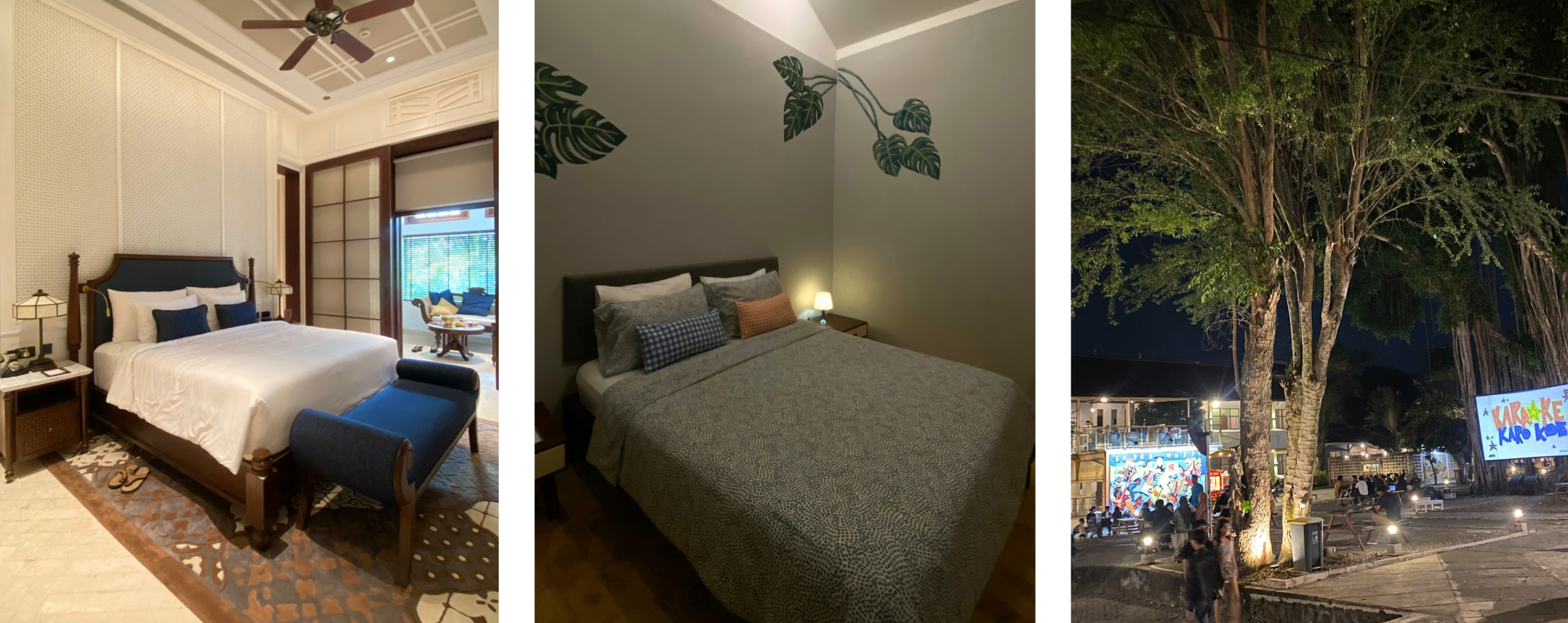
From left to right: Grand Hotel de Djokja Heritage, Casa Wirabrajan, and Jogja National Museum area
LOCAL EATERIES
Gudeg Sagan
Locals call it “gudeg basah” (wet gudeg). Established in 2003, it brought fresh love to Jogja’s iconic gudeg, since the city’s version is normally the dry type. You can’t make a reservation – just find a table and a server will come to you. They have two branches across Jogja, and yes, it’s completely normal to eat gudeg for breakfast here.
📍Google Map: Gudeg Sagan
Sate Kambing Tjokro Gembira Loka
Famous for Sate Buntel, Sate Kronyos, and Sate Klathak (different types of mutton satays) – the most satisfying meal and the ultimate protein load.
📍Google Map: Sate Kambing Tjokro Gembira Loka
Pasar Ngasem
A traditional market famous among locals for legendary eateries, such as: Jenang Yu Jamilah (Jamilah’s sweet porridge), Warung Makan Bu Sirep (Sirep’s eatery), Gudeg Yu Djum (Djum’s gudeg), and other iconic Javanese delicacies. Pro tip: come to this market as early as 7am, stroll around, and try the food and drinks – then walk to Tamansari, the water temple, to explore the landmark.
📍Google Map: Pasar Ngasem
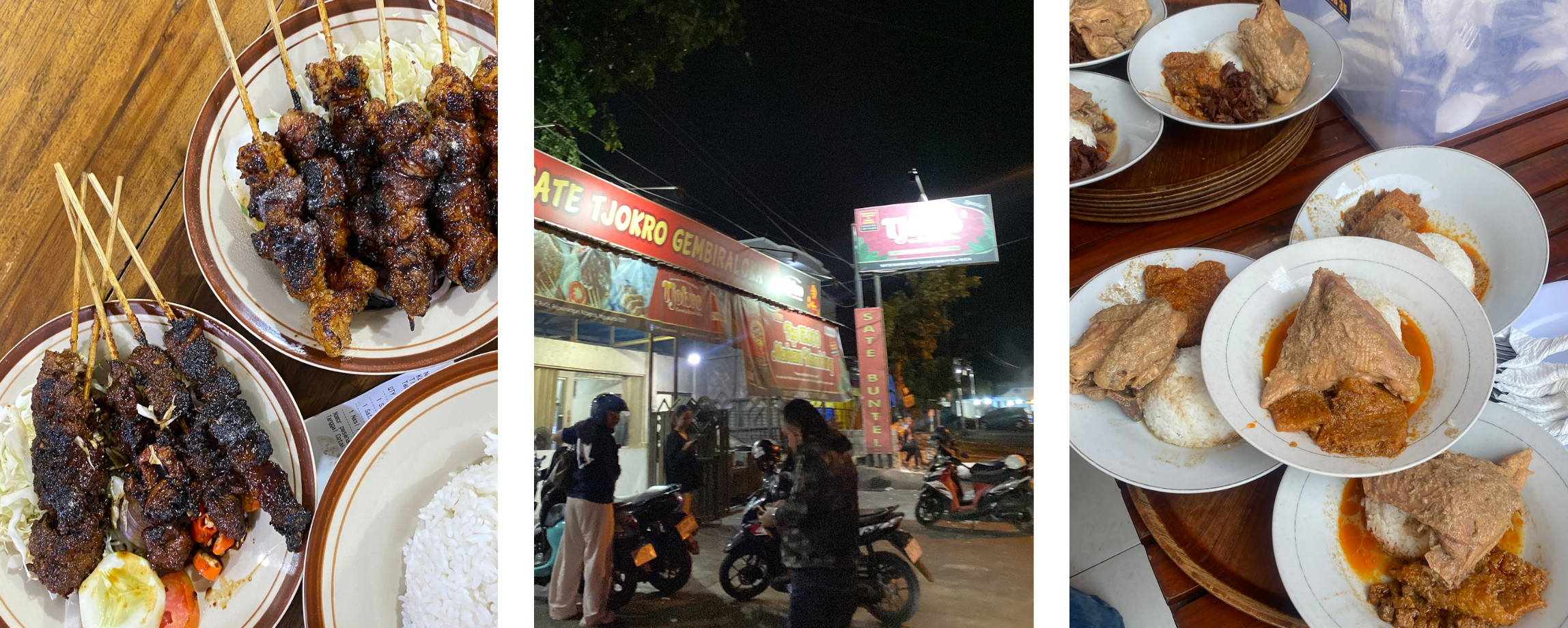
From left to right: Sate Kambing Tjokro Gembira Loka and Gudeg Sagan
COFFEE SHOPS
Bergamot Koffie
A new, chic spot with a vibrant interior and some of the best dirty coffee I’ve had in Jogja – plus a good burger if you’re hungry and missing something comforting.
📍Google Map: Bergamot Koffie
Space Roastery
A local chain with 6 branches across Jogja – each with a different mood and ambiance, but consistent coffee at every branch I visited. Their signature is Es Kopi Susu Dolce (sweet iced coffee), along with manual brews, and you can take away merch and coffee beans too.
📍Google Map: Space Roastery CCC
Tadasih Coffee
A unique boutique coffee shop run by Mas Ferza himself. It only has 17 seats and opens just four days a week, so check Google to make sure they’re open. Ferza is a passionate host who offers 8 types of coffee beans from around Indonesia and beyond, with specialty coffee priced from just 35K per cup. As unbelievable as it sounds, he even publishes a monthly transparency book for Tadasih, covering how much of each bean has sold, average prices, and how many origins he covers. His mission is simply to turn regular guests into friends through genuine conversation – and please, order the toast, it’s incredible.
📍Google Map: Langenarjan 29 (RSVP only)
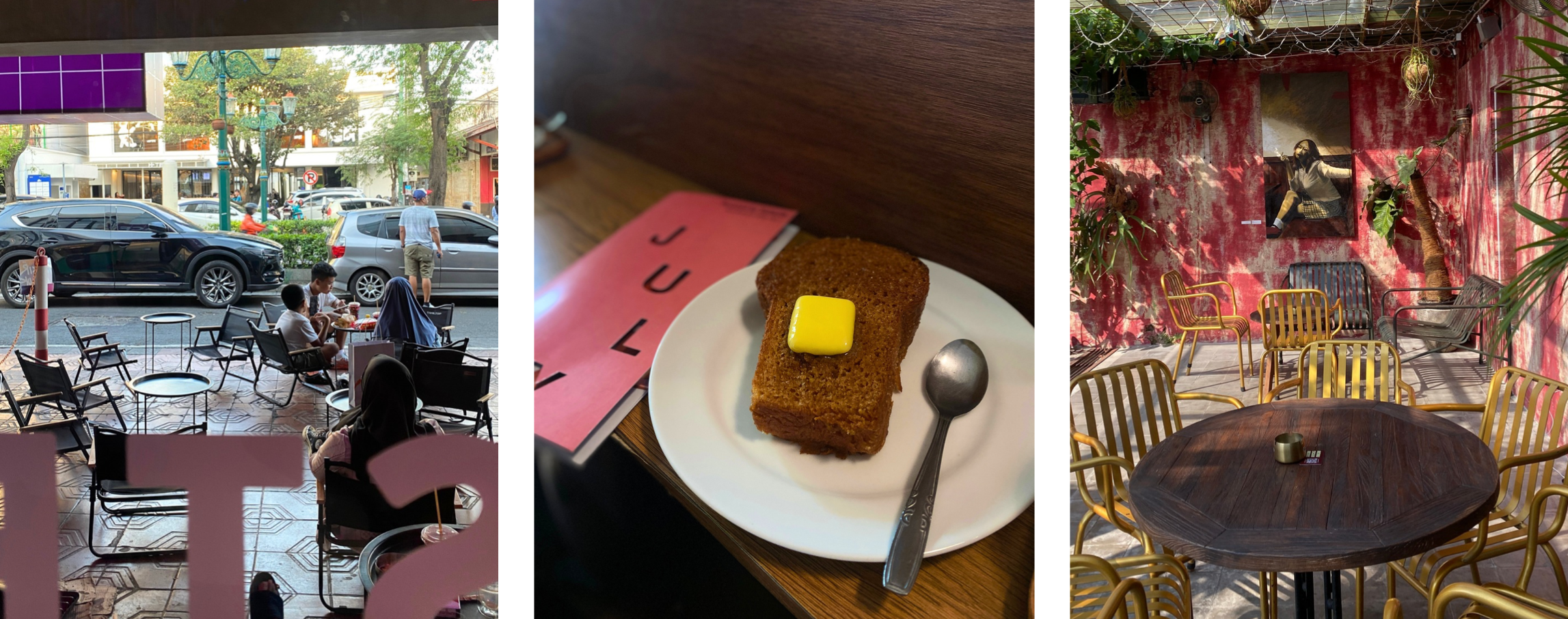
From left to right: Space Roastery, Tadasih toast, Bergamot exterior
INDONESIAN SPICE & HERBAL MEDICINE STORE
Bhumi Bhuvana
A very special place to discover rare ingredients from all over Indonesia, like sea salts from Bali, Cirebon, and Kalimantan, which you can taste on the spot – plus palm sugar from the Baduy people of Kalimantan. They offer a bookable walking tour, but you can also just pop in for the day and try the home-cooked meals the staff prepares daily, drawn straight from legendary Indonesian cookbooks like Mustika Rasa. The staff will welcome you warmly and guide you through a side of Indonesian gastronomy most of us never get to touch. The space is small, so give them a heads-up before you visit.
📍Google Map: Bhumi Bhuvana
Jamu Ginggang
Jamu is famous throughout Indonesia, and it was born in Java. This place is special because it’s run by the original acaraki, a Javanese herbalist once appointed by the city’s mayor, located in the Pakualaman area. Stepping in feels like traveling back to 1950, when this place was first established. Using real spices, you simply tell the lady at the counter how you’re feeling, and she’ll make you a bespoke jamu – in a world full of cocktail bars, this place existed long before the glitz. It’s a privilege to experience a place like this today, both as a homage and a history lesson.
📍Google Map: Jamu Ginggang
Hotel Tentrem Pattiserie
The birthplace of Tolak Angin, Indonesia’s famous instant herbal medicine, this hotel lets you explore the brand’s other creations. In the lobby of Hotel Tentrem Jogja, you can enjoy an afternoon tea with Tolak Angin ice cream, takeaway chocolate pralines, and popsicles – all made from Tolak Angin.
📍Google Map: Hotel Tentrem
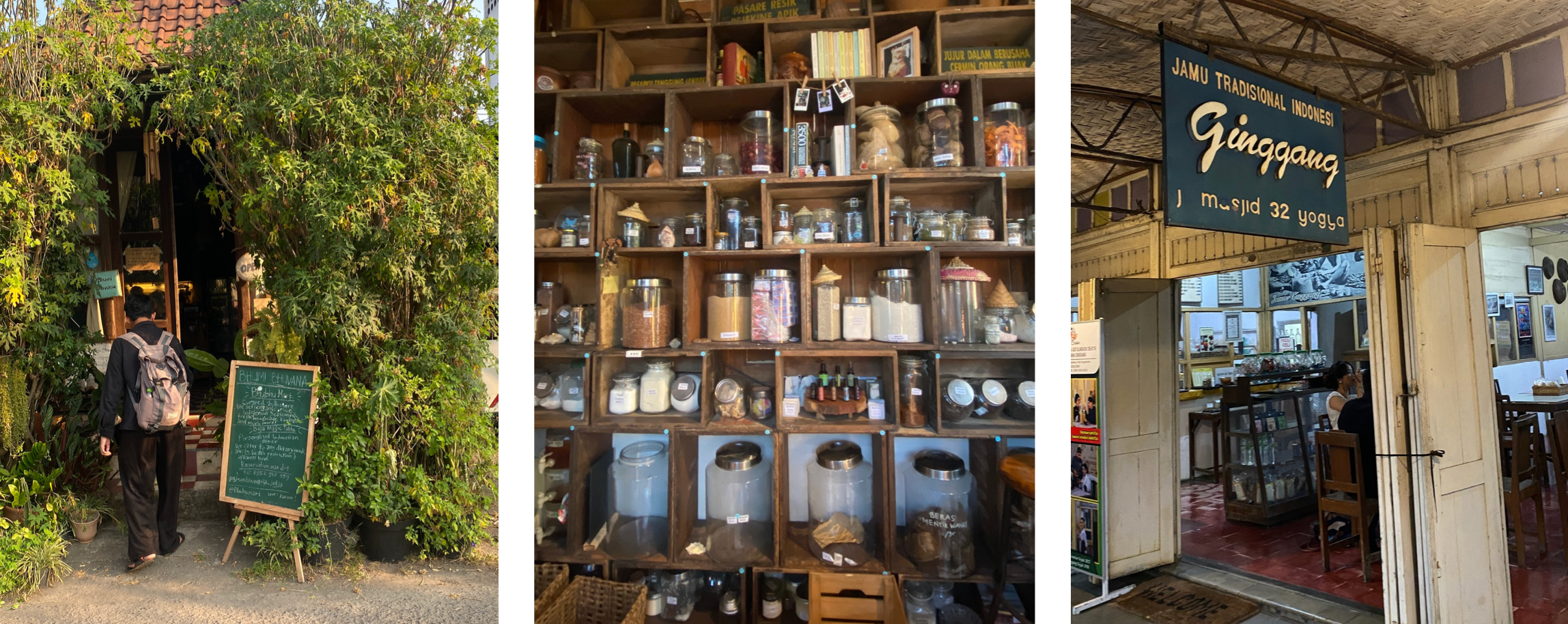
Form left to right: Bhumi Bhuvana entrance and its collection, Jamu Ginggang
INTERNATIONAL RESTAURANT & LATE NIGHT GELATO CRAVE
Mediterranea Restaurant by Kamil
One of the most visited restaurants for both international and domestic tourists. It offers an array of international dishes, from pizza to hummus to steak frites to chocolate mousse. The affordable prices are a highlight, but the food itself is genuinely good and consistent. It’s a fine casual dining restaurant with none of the intimidation that ambiance can sometimes bring. The wine of the month is excellent too, at half the price of Bali or Jakarta – Bordeaux included. Do make a reservation, though, or you won’t get a proper seat.
📍Google Map: Mediterranea Restaurant by Kamil
Michael Kreme Gelato Malioboro
A new gelato hotspot open until 2am – sounds like a good deal to me. The gelato itself is solid, but the bonus is the café next door, Blue Butter, which has a giant 4D cat installation with blinking eyes that draws crowds in for a photo. Quite a scene to stumble on in Jogja.
📍Google Map: Michael Kreme Gelato Malioboro
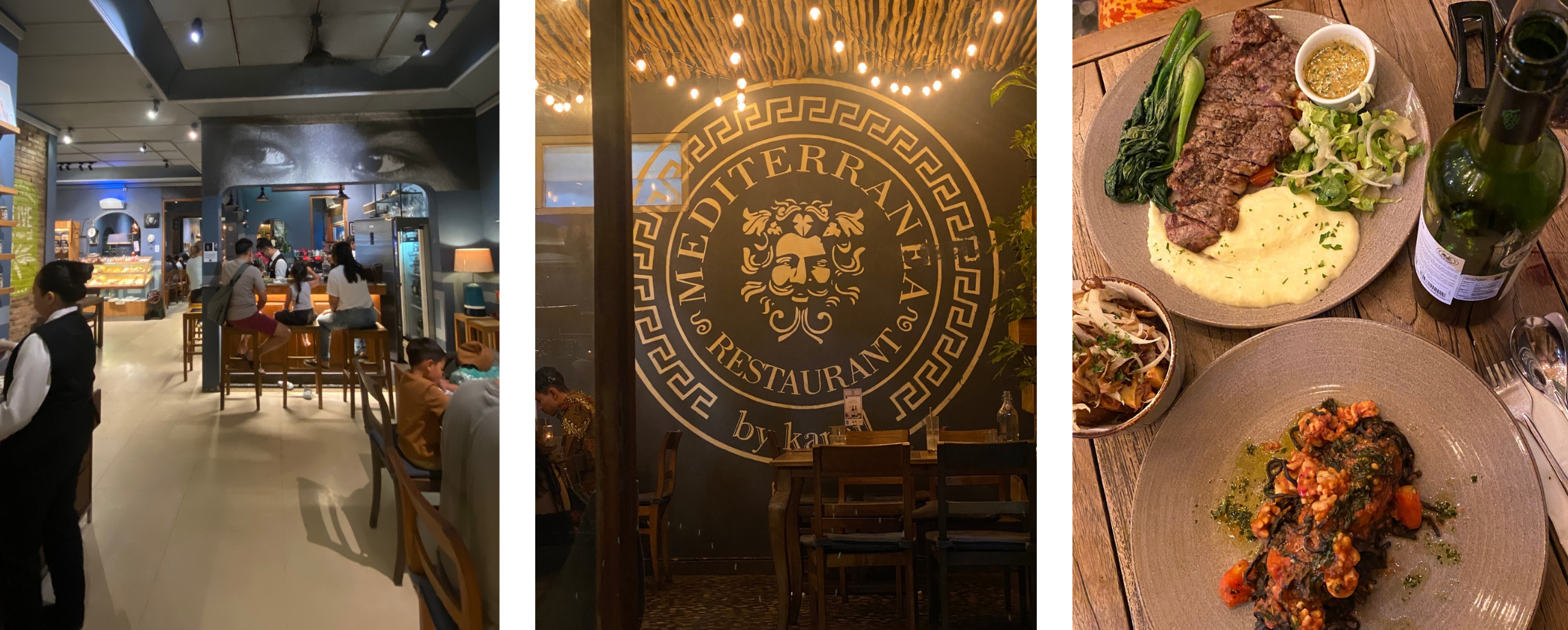
Mediterranea Restaurant by Kamil
Yogyakarta was everything I hoped it would be and more. From wandering through historic landmarks and hunting down local favourites to discovering hidden cafés and cultural gems, every day brought something new. But the journey doesn’t end here. Next up, we’re heading east to Solo, another city rich in Javanese culture, heritage, and unforgettable eats. Stay tuned for the next chapter of this Central Java adventure on my next article!
No comments yet.