Kata Bella Logo

Lifestyle

Oleh-Oleh Bali to Bring Home Other than Pie Susu
28 Sep 2026 by Bella

Oleh-Oleh Bali to Bring Home Other than Pie Susu Image

Oleh-Oleh Bali other than Pie Susu

If there’s one thing Indonesians take seriously when travelling, it’s oleh-oleh. These are little presents you bring back from your trip for the people at home; family, friends, neighbours or colleagues. More often than not, they come in the form of food.

I actually think it’s a pretty sweet tradition. It’s like bringing home a little piece of your holiday and sharing it with the people you care about. I still find myself buying oleh-oleh every now and then when I travel, although in some circles, it has become less of a tradition and more of an unwritten rule, haha!

Among the usual favourites from Bali are pie susu (milk pie) and pia (sweet filled pastry). I have no idea who popularised them, but somehow they’ve become the unofficial stars of Bali oleh-oleh. These days, though, there are plenty of other interesting things to bring home beyond the usual suspects. So here are some of them that the Kata Bella team has gathered.

You may also like this article: Restaurants and Cafes in Ubud with Rice Field Views

Confiture de Bali

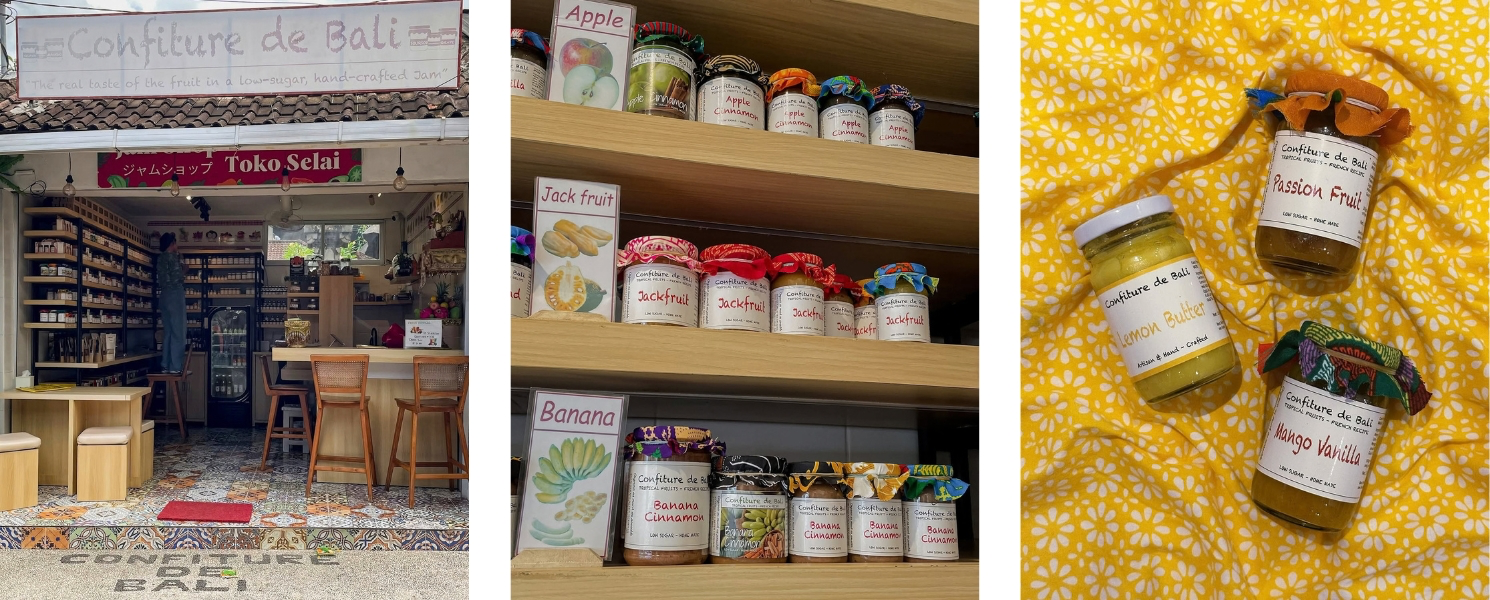
These guys have been making artisan jams since 2012, turning all kinds of fruits into little jars of deliciousness, each topped with an adorable batik lid cover. You’ll find pretty much every fruit you can think of here, from tropical fruits like soursop and mangosteen to more unusual ones you’ve probably never even heard of, like buni, kepundung and kaliasem. With so many flavours to choose from, you’ll probably have a hard time deciding, but you can try the testers before committing. Our personal favourites are the lemon butter, passion fruit, and mango vanilla.

📍Google Map: Confiture de Bali
Oleh oleh Bali - Confiture de Bali

Image credit: Confiture de Bali Instagram

Jungle Gold Chocolate

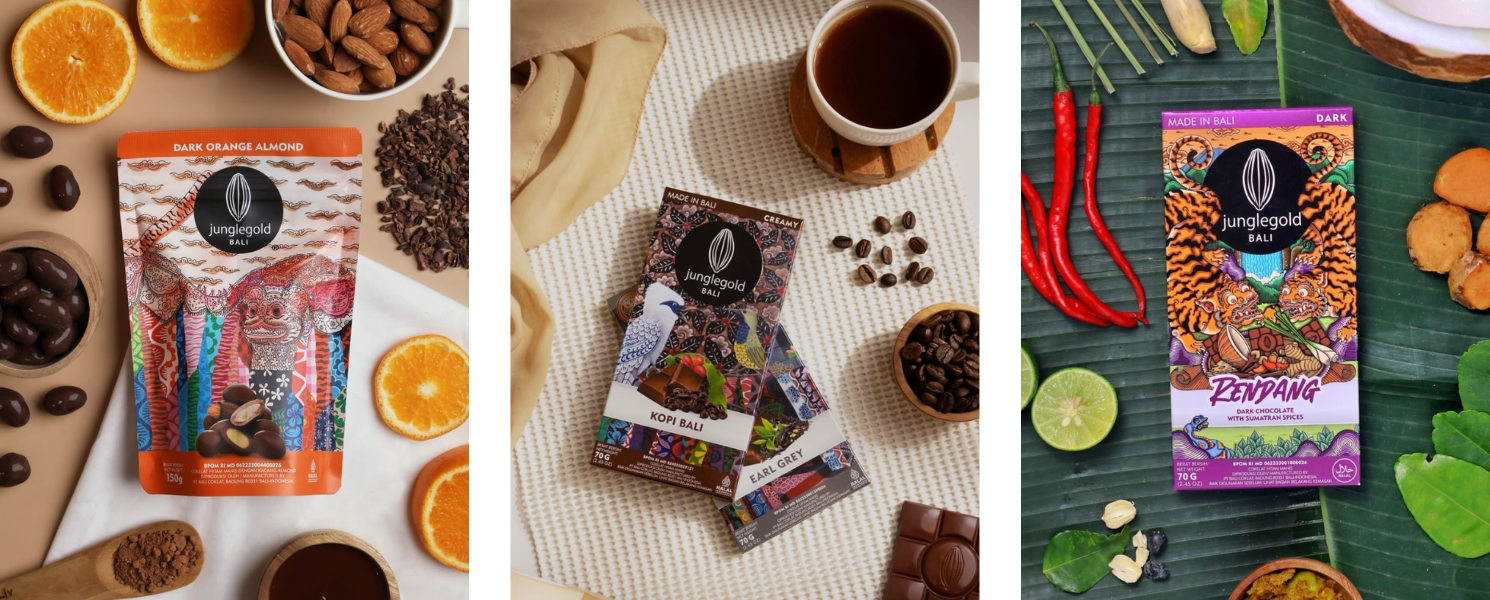
It used to be called Pods Chocolate, but the brand has since rebranded as Jungle Gold. They’ve got the classics, with chocolate ranging from 64% to 100% cacao, plus fun flavours like Balinese coffee, orange, sea salt and Earl Grey. And if you’re feeling adventurous, there are some seriously unexpected ones too like rujak mangga, durian, mie goreng (fried noodles), and even rendang! Whoah! You can find most of the flavours in supermarkets around Bali, but it’s also nice to pop into their big store in Sanur.

📍Google Map: Jungle Gold Chocolate Sanur
Oleh oleh Bali - Jungle Gold

Image credit: Jungle Gold Chocolate Instagram

Balinese Coffee “Kupu-Kupu Bola Dunia”

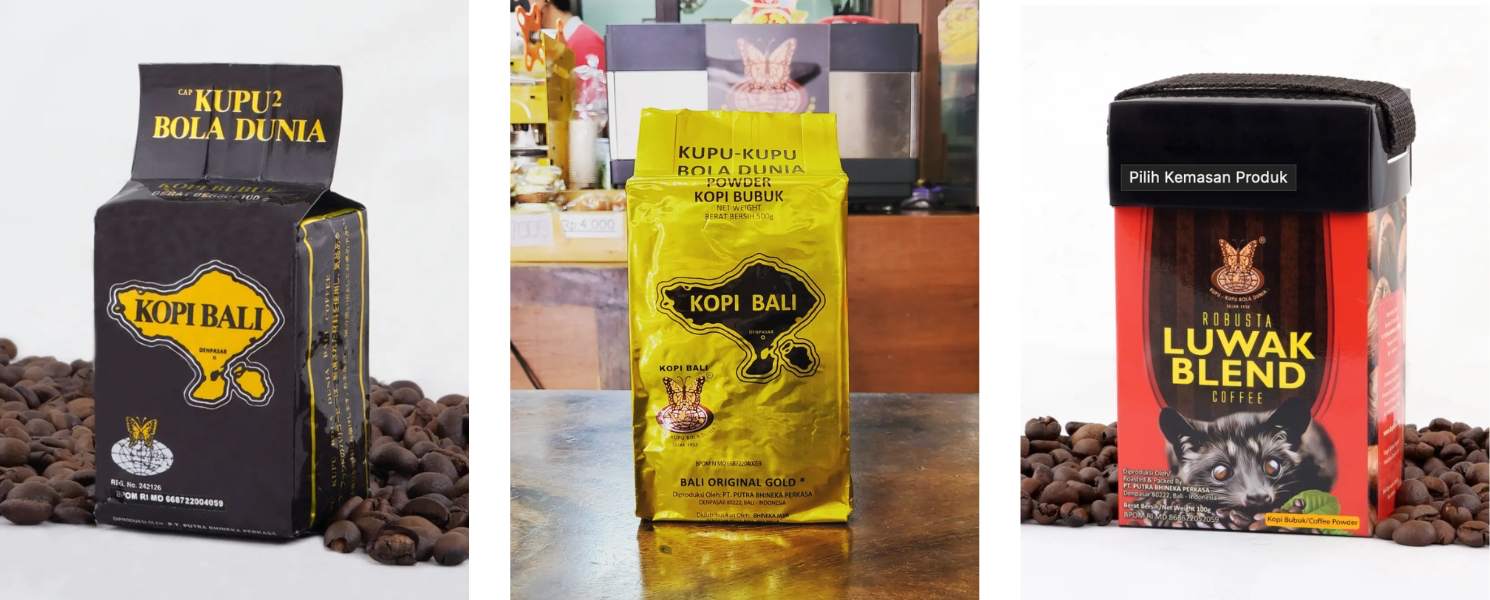
Kupu-Kupu Bola Dunia is a Balinese coffee brand with a pretty unique name – it translates to “butterfly and globe”, any guesses why? Hehe. They’ve been around since 1935, and you can enjoy their coffee at the legendary Bhinneka Djaja coffee shop in Denpasar, and pick up some ground beans to take home. It’s a little taste of Bali to bring back with you, and makes a pretty nice gift for the coffee-loving friends back home.

📍Google Map: Bhineka Djaja (Kopi Bali)
Oleh oleh Bali - Kopi Bali

Image credit: Bhineka Djaja Website

Bali Crispig

We love the name Crispig – so clever for a brand that makes crispy pork crackers, haha! There are four flavours to choose from: original, seaweed, spicy and sweet potato. They’re simple, crunchy snacks, and because they’re nice and dry like crisps, they’re also pretty travel-friendly, which is exactly what you want when packing for the flight home. 

📍Google Map: Bali Crispig
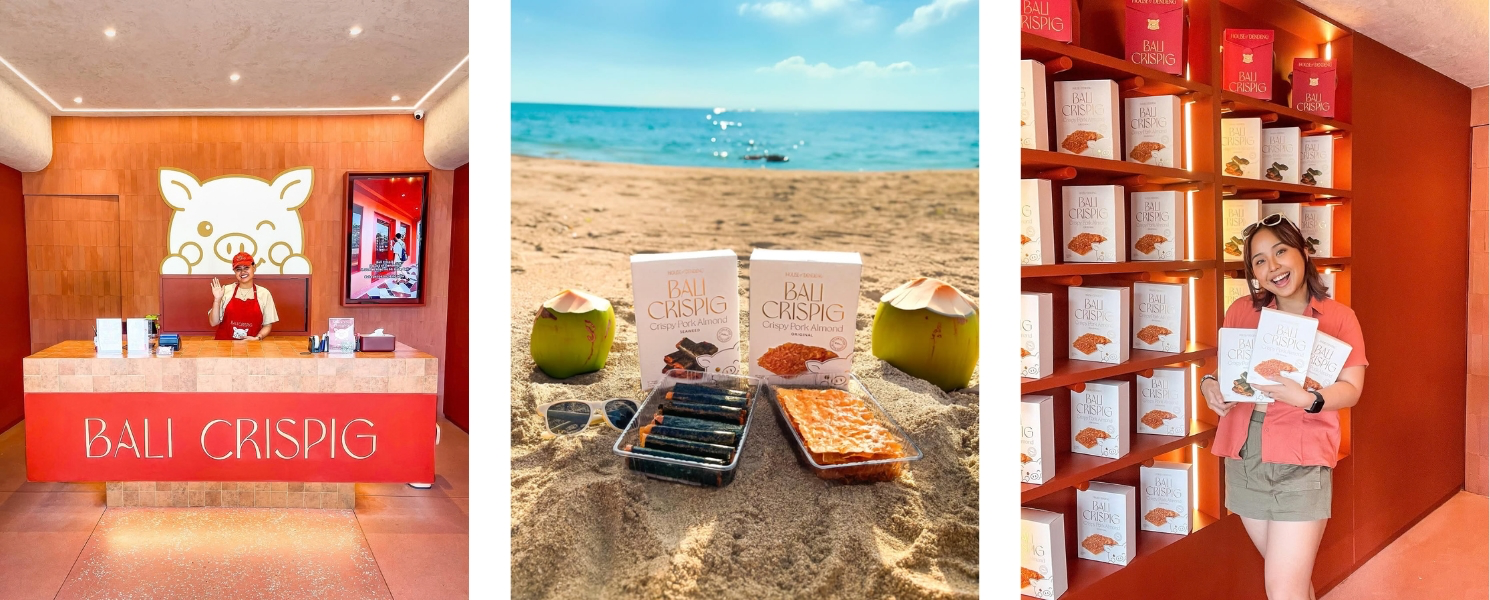
Oleh oleh Bali - Crispig

Image credit: Crispig Instagram

You may also like this article: Bali Markets to Visit During Your Holiday

Rosalie Cheese

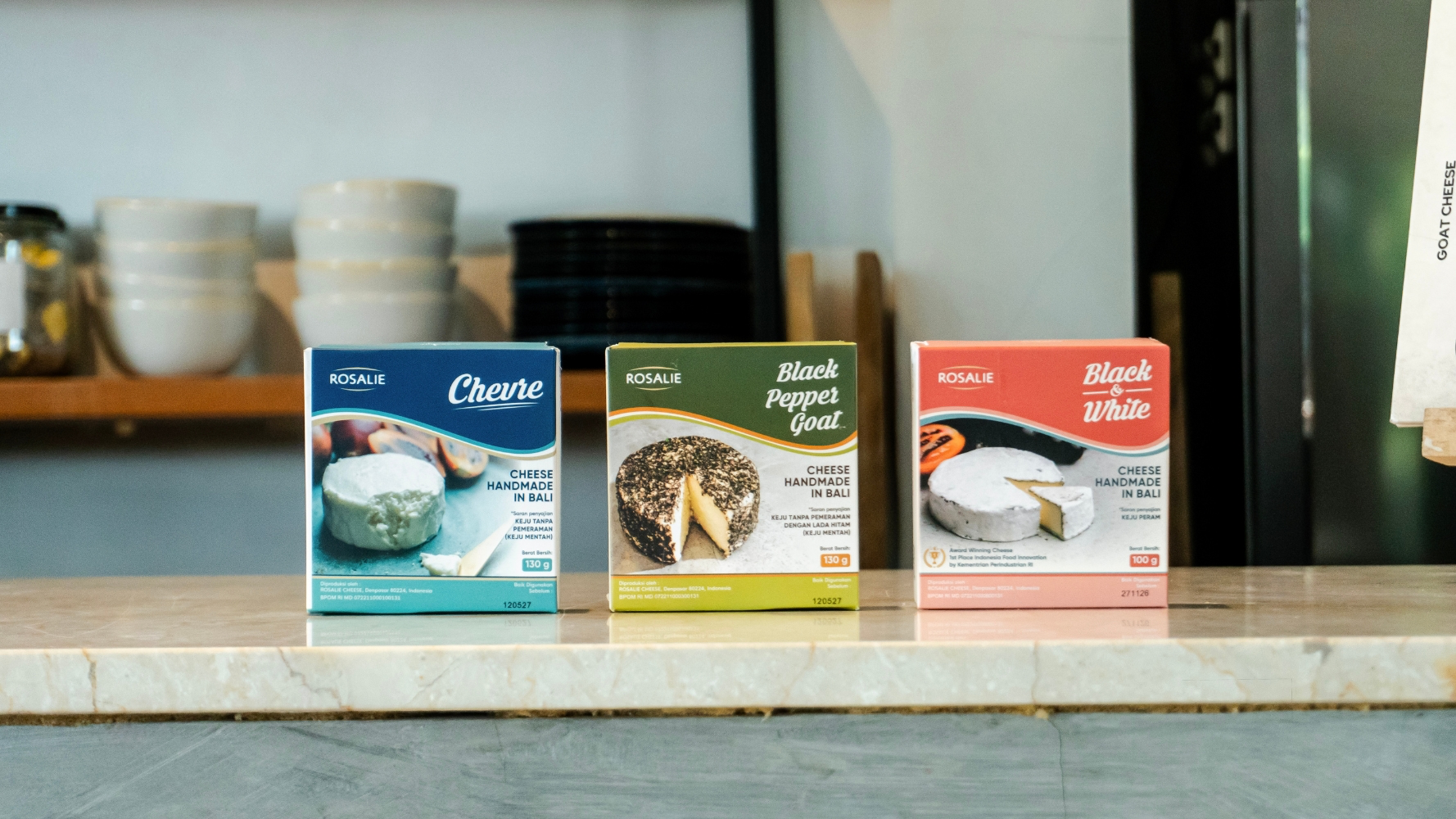
We’re proud to have such a good local cheese on the island. Rosalie makes their cheeses with farm-fresh local milk and traditional techniques, and the range includes chèvre, black pepper goat cheese and halloumi. They make snacks too, like their signature cheesy grissini and cassava crackers, which are easy to finish in one sitting. You can find them in major supermarkets across Bali, or pop by their cheese boutique for a tasting while you’re there!

📍Google Map: Cheese Boutique by Rosalie
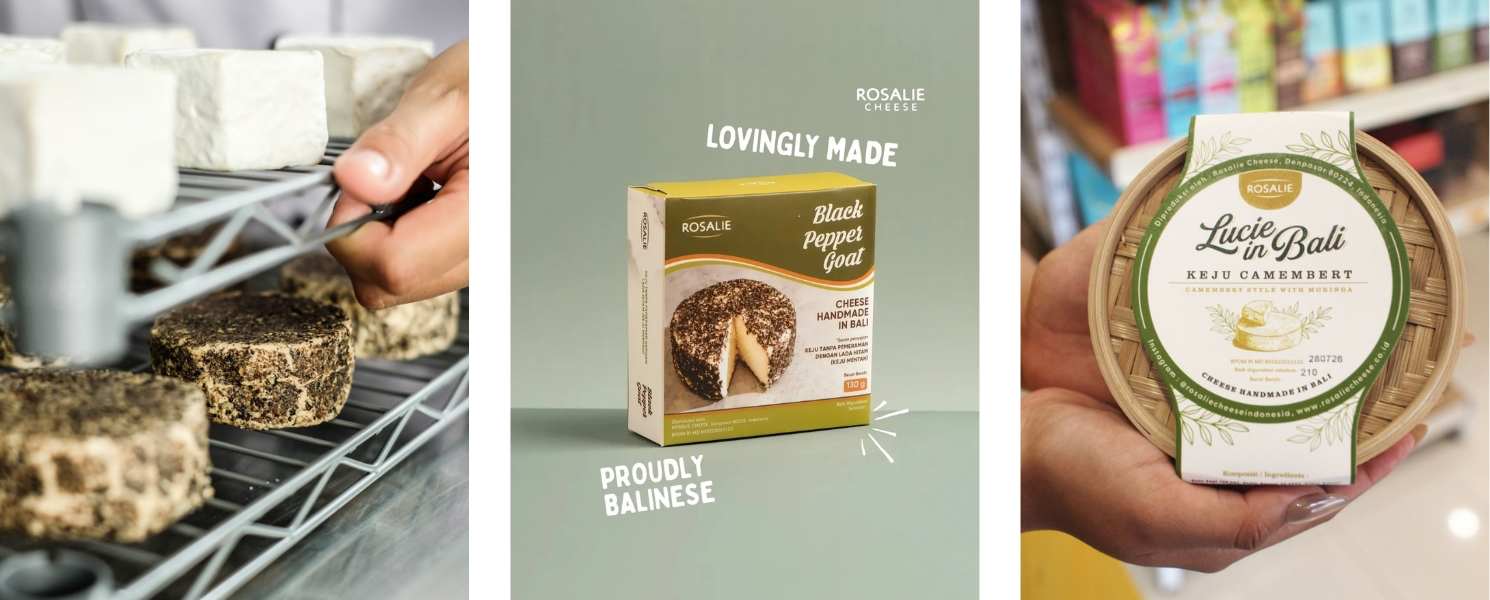
Oleh oleh Bali - Rosalie

Image credit: Rosalie Cheese Instagram

Titiles

Another one for the pork lovers! If you don’t know Titiles yet, they make all kinds of processed meats and savoury snacks, and they’re especially famous for their pork products. They’ve been around for aaaages, and you can buy everything from sausages, bacon and ham to dendeng (jerky) and abon (meat floss), all from their very old-school-looking shop in Denpasar.

📍Google Map: Titiles Bali
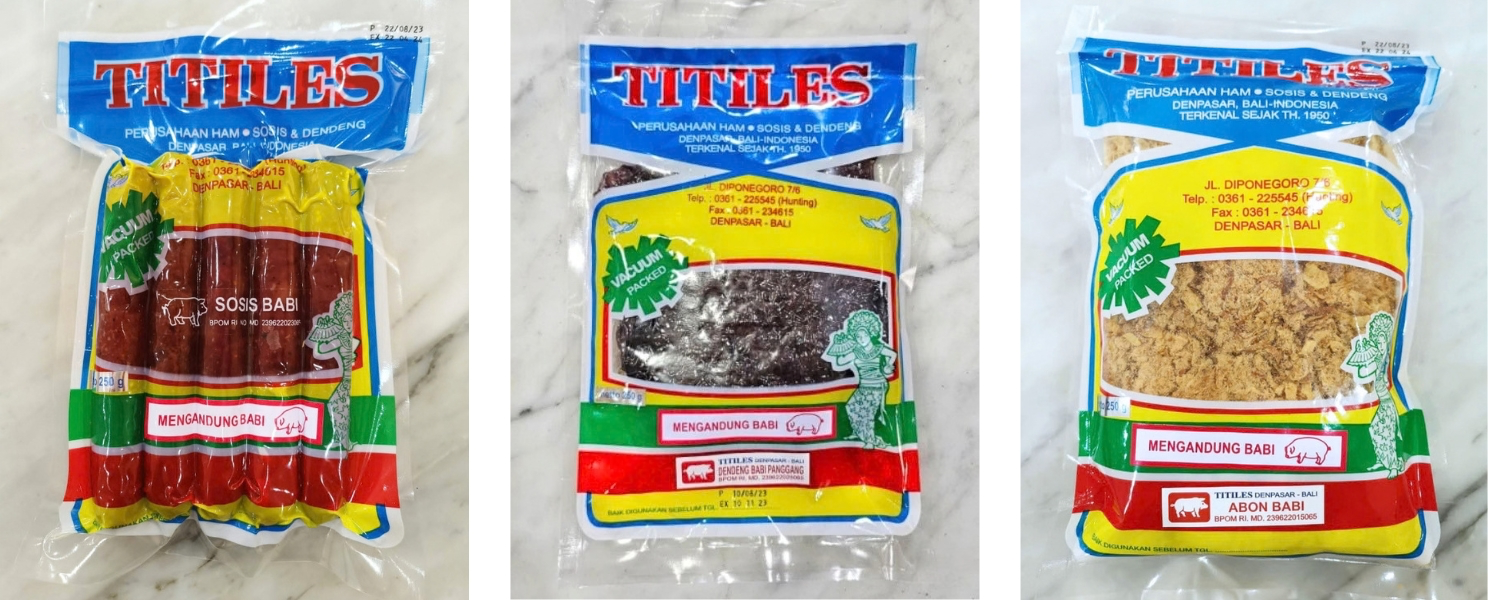
Oleh oleh Bali - Titiles

Image source: Google

Harum Cake

They make pie susu too, but I’d like to highlight the main character: the lapis legit. It’s a traditional Indonesian layered cake; buttery, dense, and rich. Each paper-thin layer is baked one at a time. Yes, one-at-a-time. So yes, so much respect for the patience behind every slice! Their lapis legit comes in many flavours: original, coffee, prune, cheese, chocolate, and more. They’ve been at it since 1997, so if you’re taking some home, relax. They know exactly how to pack it so your lapis legit arrives safely.

📍Google Map: Harum Bali Lapis Legit Cake Shop
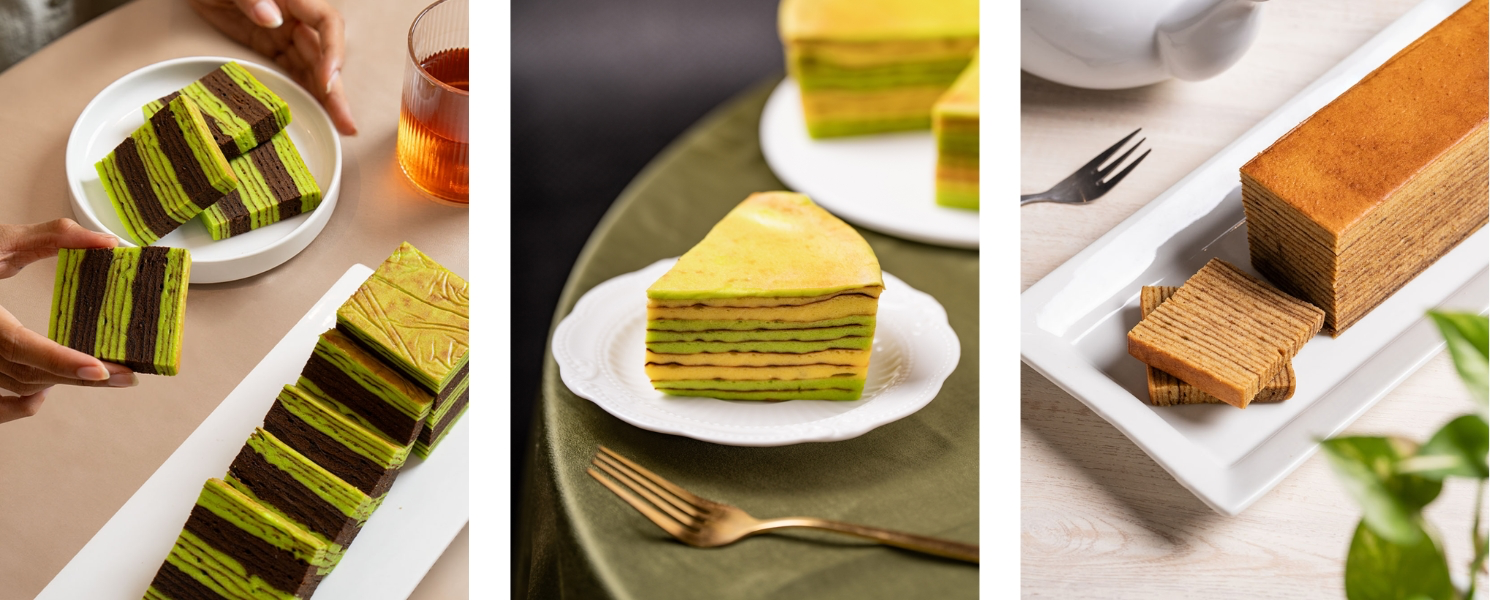
Oleh oleh Bali - Harum Cake

Image credit: Harum Cake Instagram

Sate Lilit Bu Putu

This one is a home business. If you haven’t tried sate lilit yet, it’s a Balinese-style satay made with seasoned minced meat, wrapped around bamboo sticks or lemongrass stalks, then grilled until smoky. A pack of 25 starts from just 95K, and they’re vacuum-packed, so they’re easy to take with you when travelling. They also make grilled chicken and betutu chicken, but the sate lilit is what they’re best known for. Just make sure to pre-order at least one day in advance through the contact number on their Instagram.

Instagram: @satelilit.buputu
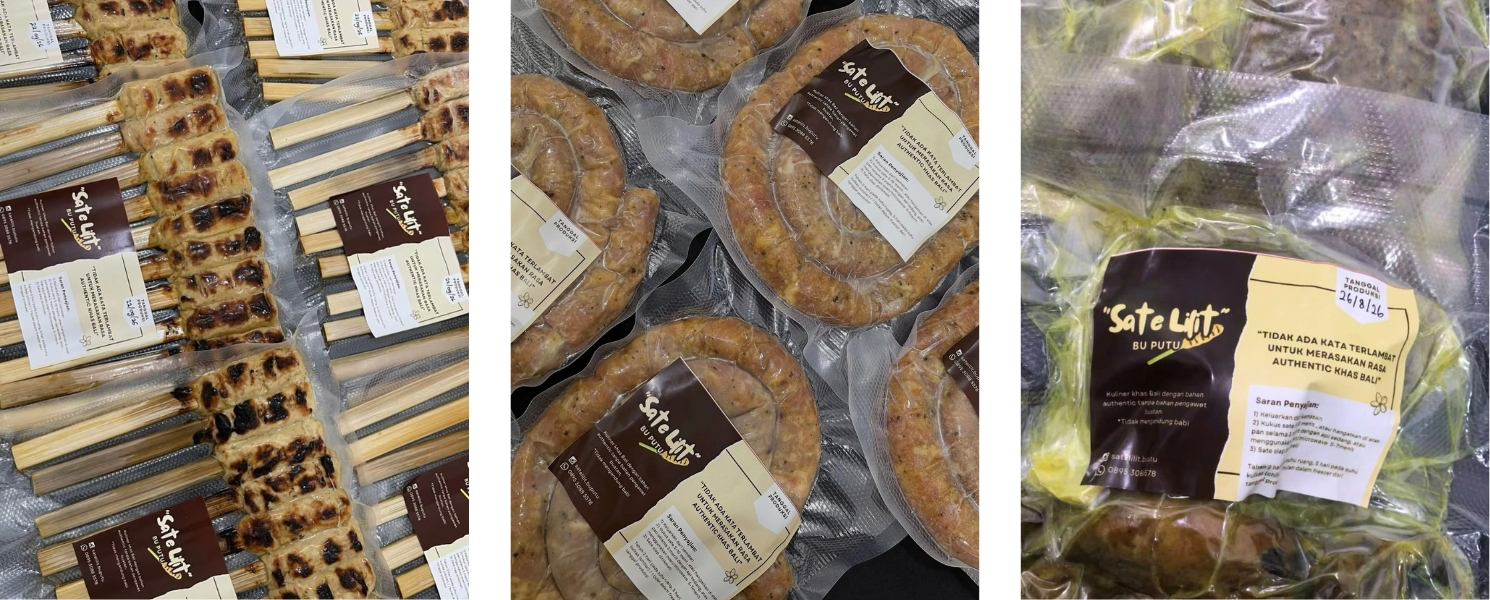
Oleh oleh Bali - Sate lilit Bu Putu

Image credit: Sate Lilit Bu Putu Instagran

We hope you enjoy our growing list of oleh-oleh Bali! A quick disclaimer: we have nothing against pie susu! In fact, we love them. We just thought we’d share some other interesting businesses worth checking out, so you can bring a slice of Bali home to your loved ones. These local makers put a lot of care into what they do, and a little support goes a long way. We’ll keep adding to the list as we discover more, so do check back every now and then. And if you have a favourite spot that we’ve missed, we’d love to hear about it!
You might also want to read

Mahjong in Bali: 10 Fun Places to Play with Friends Image

05 Sep 2026 by Bella in Lifestyle

Mahjong in Bali: 10 Fun Places to Play with Friends

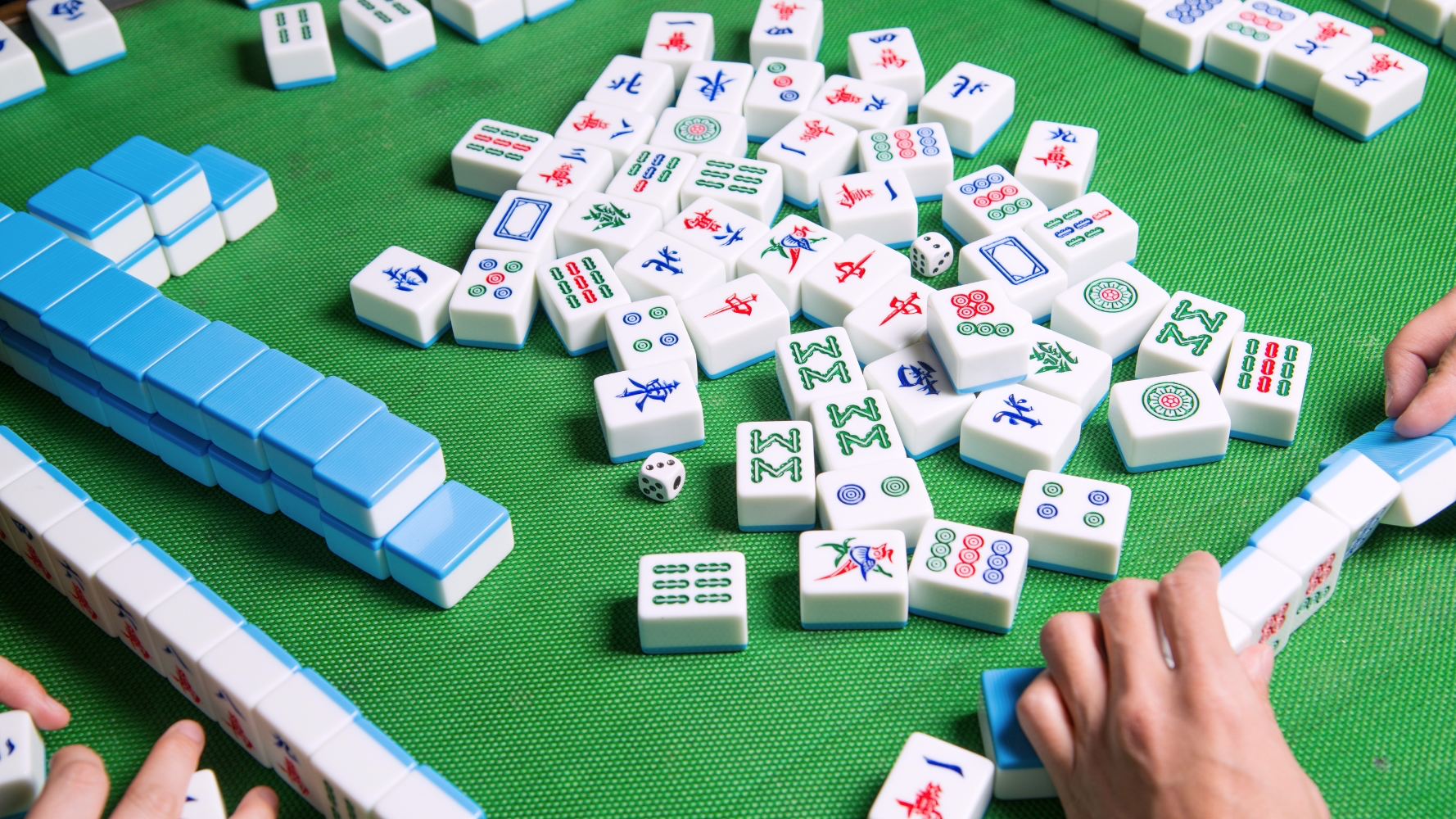
Where to play mahjong in Bali You might have noticed mahjong popping up all over your friends’ Instagram Stories lately. Yep, this traditional Chinese tile game is suddenly cool again! And we’re not mad about it. It’s actually a pretty good excuse to put your phone down - take a break from doom scrolling, give your brain a workout, and spend some actual time with people. I’m not exactly great at mahjong myself, but there are clubs and venues around Bali where you can join games, whether you’re a total beginner or already know your way around the tiles. I’ve also seen people looking for friends to mabar (main bareng, or play together), which makes it a fun social activity - especially if you’re an introvert. Sooo, the Kata Bella team did some digging and rounded up the mahjong spots in Bali you can check out if you’re looking for something a little different to do beyond the usual beach, brunch and sunset routine. You may also like this article: Fun Communities in Bali for Every Kind of Lifestyle Where to play mahjong in BaliKlik HubLiving World DenpasarSista DumplingDowntime Board Game CafeDa Jia HaoPung Pung MahjongFine Ground CafeSunset Reserve PadelKulaLibera Space Klik Hub It's a creative space that’s also home to all kinds of workshops, activities and community events. Their mahjong night is hosted by Bali Mahjong Social Club, and everyone is welcome, whether you’re a complete beginner or already know your way around the tiles. If you're totally new to the game, no worries - they have a free mahjong lesson to get you started. Games are usually held every Tuesday from 6pm to 9pm, making it a fun after-work activity. Lihat post ini di Instagram Living World Denpasar Currently the largest shopping centre in Bali, this place is always buzzing on weekends. So, if you’re planning to spend your Sunday at the mall but have had enough of shopping, why not switch the shopping bags for mahjong tiles? Head to the Nusantara Market area, where you can play mahjong from 3pm to 9pm. What a different way to spend Sunday at the mall! Lihat post ini di Instagram Sista Dumpling One of my favourite dumpling spots in Canggu has started its own mahjong club, with games happening every Monday at both their Berawa and Uluwatu locations. It starts at 6pm and all levels are welcome, but you’ll need to book your seat in advance. And really, nothing makes a Monday better than a few rounds of mahjong and some good Chinese food! Lihat post ini di Instagram Downtime Board Game Cafe It’s your usual cafe for coffee and treats, with one fun difference: you can actually play various board games! They host all kinds of game nights, social gatherings, workshops, movie nights and trivia, so of course, mahjong has made its way onto the calendar too. Their mahjong night runs every Thursday from 5pm to 9pm, welcoming players who want to learn, play and have a fun evening around the table. If you're already a mahjong pro, they also run sessions for advanced mahjong players looking to take their game to the next level. Follow their Instagram to check out the latest schedule. Lihat post ini di Instagram You may also like this article: Get Crafty - Creative Classes and Workshops in Bali Da Jia Hao Play mahjong in a modern Chinese restaurant interior that feels straight out of a movie. They have a dedicated mahjong table that you can play anytime, so bring your friends for a friendly game or two, and stay for some delicious Chinese comfort food, lah! Bonus: everything is no pork, no lard and no angciu, so everyone can dig in. Lihat post ini di Instagram Pung Pung Mahjong Everyone is welcome at Pung Pung, from complete beginners to advanced players, and even kids! They offer coaching for kids from 4 years old. You can come with friends or show up solo - no problem, the game master will happily join you for a round. Just remember to book in advance, and if you’re coming with friends, make sure to book for the total number of players. As for the tables, an automatic mahjong table is IDR 50K per hour, while manual tiles are IDR 30K per hour. Lihat post ini di Instagram Fine Ground Cafe Fine Ground is a padel court in Renon, with Fine Ground Cafe right there for those who’d rather sit back than hit the court - or for anyone waiting for their loved ones to finish training. They now have an automatic mahjong table for IDR 50K per hour, so you can get a few rounds in while enjoying their selection of Indonesian and Western dishes. So, if padel is not your thing, no problemo, mahjong and good food sound like a pretty good alternative! Lihat post ini di Instagram You may also like this article: Kata Bella's List of Good Coffee Shops in Denpasar Sunset Reserve Padel Another padel-and-mahjong combo, this time at Sunset Reserve Padel. When you’re done on the court, or simply not a padel person, gather your mahjong crew and settle in for a few rounds of mahjong during their dedicated Mahjong Hours. It’s IDR 100K per hour, including four bottles of mineral water, so all you need to bring is your players and your best tile game. Lihat post ini di Instagram Kula Beginners and players of all levels are welcome to join. Mahjong games are held every Wednesday and Saturday from 6pm to 10pm - a perfect evening activity to play a few rounds while enjoying dinner. For local residents, it’s also a fun way to unwind and relieve some of that after-work stress. First-time players can join for free, while returning players pay for only IDR 25K per session. Lihat post ini di Instagram Libera Space Lihat post ini di Instagram Even a coworking space in Denpasar has caught the mahjong fever! At Libera Space, you can now take a break from replying to emails, swap your laptop for a set of tiles, and play mahjong all day, any day. For just IDR 20K per person, you can play as much as you like from 9am to 5pm, with drinking water included. And if you’re a Libera Space member, it’s completely free. So, there’s really no shortage of things to do for fun and to keep your social life going in Bali these days! From creative workshops and pottery classes to run clubs, padel games, and now mahjong nights, the options are pretty much endless. Whether you’re looking to pick up a new hobby, meet new people or simply spend less time staring at your screen, there’s always something happening. Hope you find this list useful, and stay tuned for more!

Rosita Batik Shibori: Empowering Communities Through Sustainable Fashion Image

29 May 2026 by Bella in Lifestyle

Rosita Batik Shibori: Empowering Communities Through Sustainable Fashion

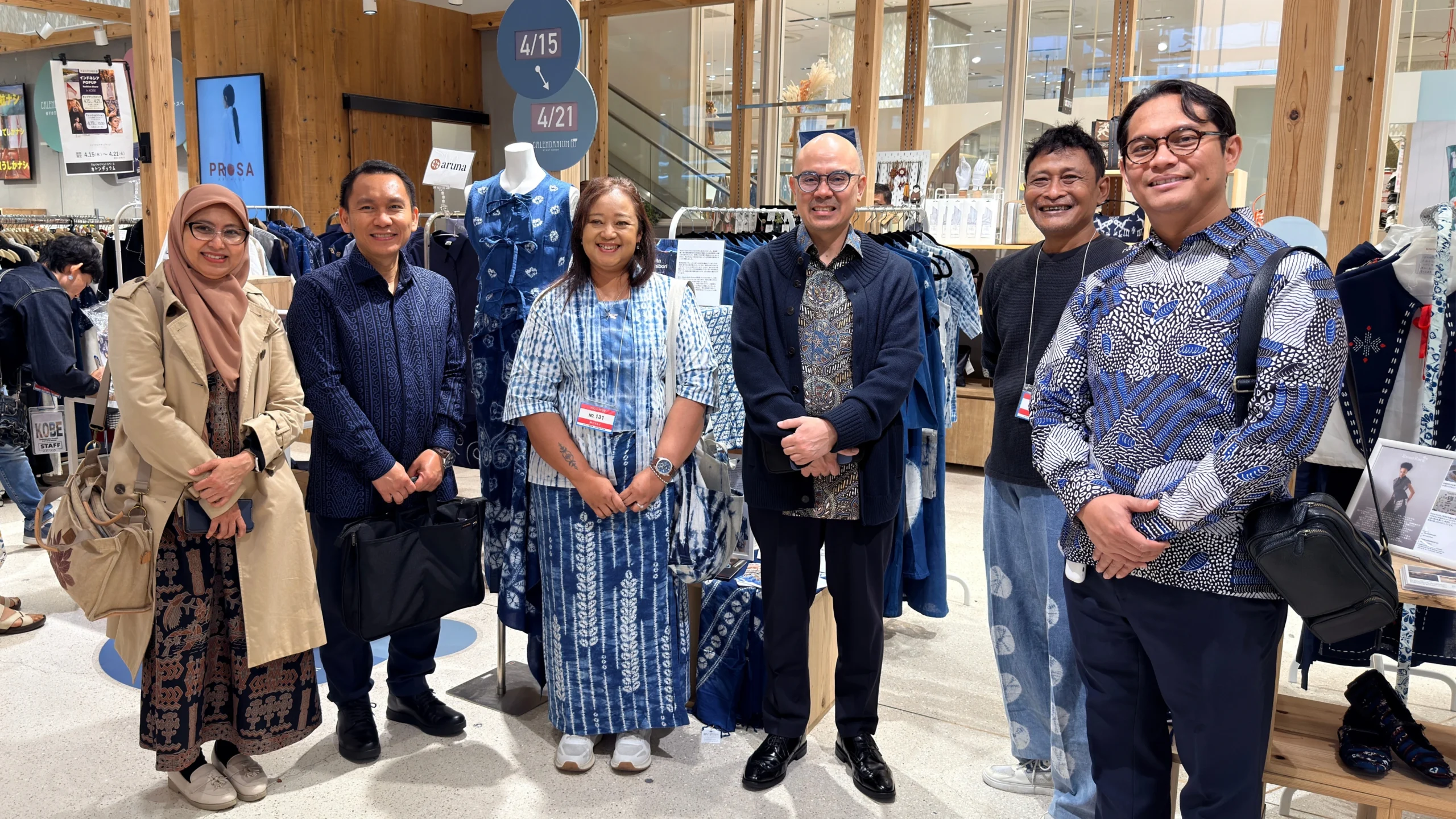
I’ve always loved wearing local Indonesian brands - there are more and more cool ones emerging, and many are just as good as, if not, even better than international labels. Among these creative brands, one in particular caught my attention: Rosita Batik Shibori, a label that preserves Indonesia’s batik heritage while giving it a modern, thoughtful twist. Behind every meaningful brand is a personal journey, and this is the story of Rosita Batik Shibori - a journey of creativity, sustainability, and community. Shibori: The Craft That Makes Each Piece One-of-a-KindFrom a hobby to sustainable fashion, to empowering the communityFrom Java to the worldA passion that brings joyRosita’s message for Indonesian UMKM (micro, small, and medium enterprises)Where to Find Rosita Batik Shibori You may also like this article: The Vibrant Journey of Xoxo Bali Shibori: The Craft That Makes Each Piece One-of-a-Kind The name Rosita Batik Shibori is from the founder's name, Rosita, combined with the shibori technique employed and how the business started - she used to sell batik, and even now she often combines the two techniques together.  Shibori is a fabric resist-dyeing technique created by folding, binding, and compressing the fabric before it is dyed. The patterns are formed through these resist methods, making each piece unique. Rosita chose this technique because not many local Indonesian brands work with shibori, and because the patterns always turn out differently every time, giving each piece a special, almost limited-edition feel. Each piece of Rosita Batik is made through a long and thoughtful process that requires patience From a hobby to sustainable fashion, to empowering the community Rosita Batik Shibori was founded in 2017 in Surabaya, West Java, starting simply as a hobby. Then came the creative joy of choosing colours. In the beginning, Rosita used chemical dyes because they offered a wide range of colour options. However, as time went by and the hobby grew into a business, Rosita began to feel the negative impact of working with chemical dyes. She experienced skin irritation and health issues, and became increasingly concerned about the waste produced and its impact on the environment. Eventually, she made the decision to switch to natural dyes, and that was the moment the brand evolved into a sustainable fashion label. Of course, the change came at a cost… quite literally. Production became more expensive, and the selling prices had to adjust accordingly. But slowly, Rosita Batik Shibori found the right market; people who shared the same values. As demand grew, so did production, this led to another meaningful step: hiring women from the village of Gamplong. By employing local housewives, the brand created opportunities for them to stay productive while earning additional income. What she thought was a small initiative turned out to have a significant impact, supporting not only the women themselves but also their families. You may also like this article: Bali Home Bakeries to Sweeten Your Celebrations From a small village to Japan - proving that local stories can travel far From Java to the world Rome wasn’t built in a day, and neither was the success of Rosita Batik Shibori. It began with small exhibitions around Surabaya, before expanding to Jakarta and later Bali. Rosita then participated in fashion shows that helped introduce the brand to a wider audience. She also actively hosted workshops, and all of this hard work eventually led to a major opportunity: showcasing her work in France at the Who’s Next Paris event, supported by L’Adresse Agency Paris and Pelindo Indonesia. She was over the moon when she secured an international buyer from Greece. The hustle didn’t stop there. Rosita Batik Shibori just had its second international opportunity - a pop-up event in Kobe, Japan, supported by Indonesia’s Ministry of Trade in collaboration with IPTC Osaka and Bateeg Japan. Out of 190 participants who registered for the programme, only 16 were selected, and Rosita is incredibly proud to be among them. The event featured a series of activities including pop-up exhibitions, B2B showcases, business matching sessions with several Japanese fashion companies, photoshoots, and a fashion show. Some of the newest collections of Rosita Batik Shibori showcased in Japan A passion that brings joy One of the most meaningful journeys for Rosita Batik Shibori has been the strong relationships built with its customers. It means the world to her every time she sees enthusiastic faces at exhibitions - customers excitedly discovering new patterns and exploring the latest collections. The brand also takes pride in creating employment opportunities within the community. Employees are not seen merely as staff, but as partners, fostering a shared sense of belonging as the business continues to grow together. Beyond that, the journey has opened doors to meaningful connections with fellow entrepreneurs, allowing the team to exchange knowledge, collaborate, and grow through shared experiences. You may also like this article: Koyotake Ramen - A Comforting Homemade Ramen in Yogyakarta Rosita’s message for Indonesian UMKM (micro, small, and medium enterprises) Rosita hopes Indonesian businesses continue to preserve local culture and take pride in our kearifan lokal (local wisdom). She believes no business is too small - anything done with heart, dedication, and patience will eventually flourish. She encourages more women to enter the industry, noting that they, too, can play a leading role in Indonesia’s economy. Through consistent quality and continuous improvement, she hopes local products can confidently compete on the international stage. “To the next generation, don’t be afraid to try new things, to create, and to keep exploring. Collaborate, build connections, and support fellow entrepreneurs. Growth comes from courage, persistence, and learning together.” Where to Find Rosita Batik Shibori 📱Instagram: @rositabatikshibori.official 🛍️ Stores & Galleries: Rosita Batik Shibori shop, Citraland Surabaya Barat Hotel Garrya Bianti, Yogyakarta Wedja Ubud Gallery, Bali Djaman Doeloe Resto, Forpoints Surabaya Wastra Sheraton, Surabaya Mesastile Hotel, Yogyakarta Wastra Marriott Hotel, Yogyakarta Toko D2i, Ciputra World Surabaya 💵 Price Range: Fashion: IDR 450,000 – 900,000 Fabric: IDR 600,000 – 5,000,000 👚Best-Selling Products: Kebaya encim & kutu baru Male and female outers Celana lilit Crop tops Kain lilit

Lokananta: Why This Musical Landmark is a Must-Visit in Solo Image

23 Feb 2025 by Teman Bella in Lifestyle

Lokananta: Why This Musical Landmark is a Must-Visit in Solo

An Article by Natasya Soetantyo Solo is one of the cities in Indonesia that I always wanted to explore but never got a chance to (despite travelling to Central Java quite often since I was young). Last January, this long-overdue bucket list was finally ticked off. After a comforting lunch of soto and a cheeky es dawet selasih from the nearby market, food coma didn't stop us from exploring the city further - after all, it was only a two-day trip. We then made our way to Lokananta, located on Jalan Ahmad Yani, Laweyan. You may also like this article: Swapping Beaches for Mountaintops - A Chilly Christmas in Bromo Lokananta is a sacred pilgrimage site for those passionate about music, art, and history. Established in 1956, it was Indonesia’s first record label and vinyl record producer. In their heyday, they were the ones that introduced Indonesia to legendary musicians; Gesang (famously known for his song ‘Bengawan Solo'), Titiek Puspa, and Waldjinah to name a few. Its archive is not limited to only pop and Keroncong music at the time; but also home to Indonesia’s largest collection of Gamelan recordings, various ethnic/ folk music throughout the country, and even a recorded speech of Presiden Soekarno reading the Proclamation of Indonesian Independence. After several challenging decades trying to adapt to technological advances of cassettes and CDs, Lokananta was revitalised in 2022 and is now functioning as a modern creative hub for the public. Exploring Galeri Lokananta The museum, Galeri Lokananta, is an essential part of the visit. It is a ticketed entry with limited time slots - you can either explore the exhibition by yourself or with a guided tour. I opted for the first option; this gave me a bit more freedom to enjoy each part of the exhibition at my own pace. I wouldn’t mind doing the guided tour on my next visit though; turns out the discography room can only be entered with the tour guide present. My share of tips: book a guided tour online as we were unable to book it in-person. Fun, Concise, and Engaging Those three words sum up the experience. The first part of the exhibition depicts the origin of Lokananta and its transformative journey in becoming a significant part of Indonesian music history. Brimmed with cool memorabilia (a room full of original Lokananta vinyls!), clear information, and immersive multimedia installations - the entire exhibition was easy to digest. My personal favourite was the room explaining the vinyl production process. You may also like this article: Goolali Gelato Bar & Pâtisserie - Semarang’s Sweetest Escape The later part of the exhibition (only until 8 March 2025) delves into a more general theme of Indonesia’s pop music in the 60s - especially its tumultuous journey under Soekarno’s era of censorship. As I go along enjoying their colourful, aesthetically-pleasing pop graphics and listening to rare Lokananta original recordings, two things particularly caught my attention - the existence of a local genre music called Lenso (please look up its interesting history!) and a once-banned Indonesia Raya recording that was deemed too subversive. Even if a museums are not your thing, the precinct’s line-ups of trendy coffee shops, restaurants, and retail spaces are still worth a visit. I do suggest you stop by the Lokananta Record Store - their collection of rare Indonesian vinyls from the 60s and 70s really sparked my interest to start a vinyl collection. Planning Your Visit ⏰ Museum (Galeri Lokananta) Hours: Daily, 10am – 8pm 🎟️ Entry Time Slots (10 sessions per day): Session 1: 10am - 12pm (with a guided tour) Session 2: 11am - 12pm Session 3: 12pm - 2pm (with a guided tour) Session 4: 1pm - 2pm Session 5: 2pm - 4pm (with a guided tour) Session 6: 3pm - 4pm Session 7: 4pm - 6pm (with a guided tour) Session 8: 5pm - 6pm Session 9: 6pm - 8pm (with a guided tour) Session 10: 7pm - 8pm 💰Ticket Prices: Adults: IDR 35,000 Kids (above 100cm), Students, Seniors: IDR 25,000 Foreigners: IDR 70,000 (with tour guide) / IDR 50,000 (without tour guide) 💬 Guided Tour Booking: Online only at Galeri Lokananta Website 🙋‍♀️ Personal Tips: ● If you opt for a guided tour, make sure you book online before you arrive as time slots can be limited. ● All exhibition materials were written in Indonesian; perhaps getting a tour guide is worthwhile if Indonesian is not your first language. ● Bring an umbrella on rainy day