Kata Bella Logo

Lifestyle

Rosita Batik Shibori: Empowering Communities Through Sustainable Fashion
29 May 2026 by Bella

Rosita Batik Shibori: Empowering Communities Through Sustainable Fashion Image

I’ve always loved wearing local Indonesian brands – there are more and more cool ones emerging, and many are just as good as, if not, even better than international labels. Among these creative brands, one in particular caught my attention: Rosita Batik Shibori, a label that preserves Indonesia’s batik heritage while giving it a modern, thoughtful twist.

Behind every meaningful brand is a personal journey, and this is the story of Rosita Batik Shibori – a journey of creativity, sustainability, and community.

You may also like this article: The Vibrant Journey of Xoxo Bali

Shibori: The Craft That Makes Each Piece One-of-a-Kind

The name Rosita Batik Shibori is from the founder’s name, Rosita, combined with the shibori technique employed and how the business started – she used to sell batik, and even now she often combines the two techniques together. 

Shibori is a fabric resist-dyeing technique created by folding, binding, and compressing the fabric before it is dyed. The patterns are formed through these resist methods, making each piece unique. Rosita chose this technique because not many local Indonesian brands work with shibori, and because the patterns always turn out differently every time, giving each piece a special, almost limited-edition feel.
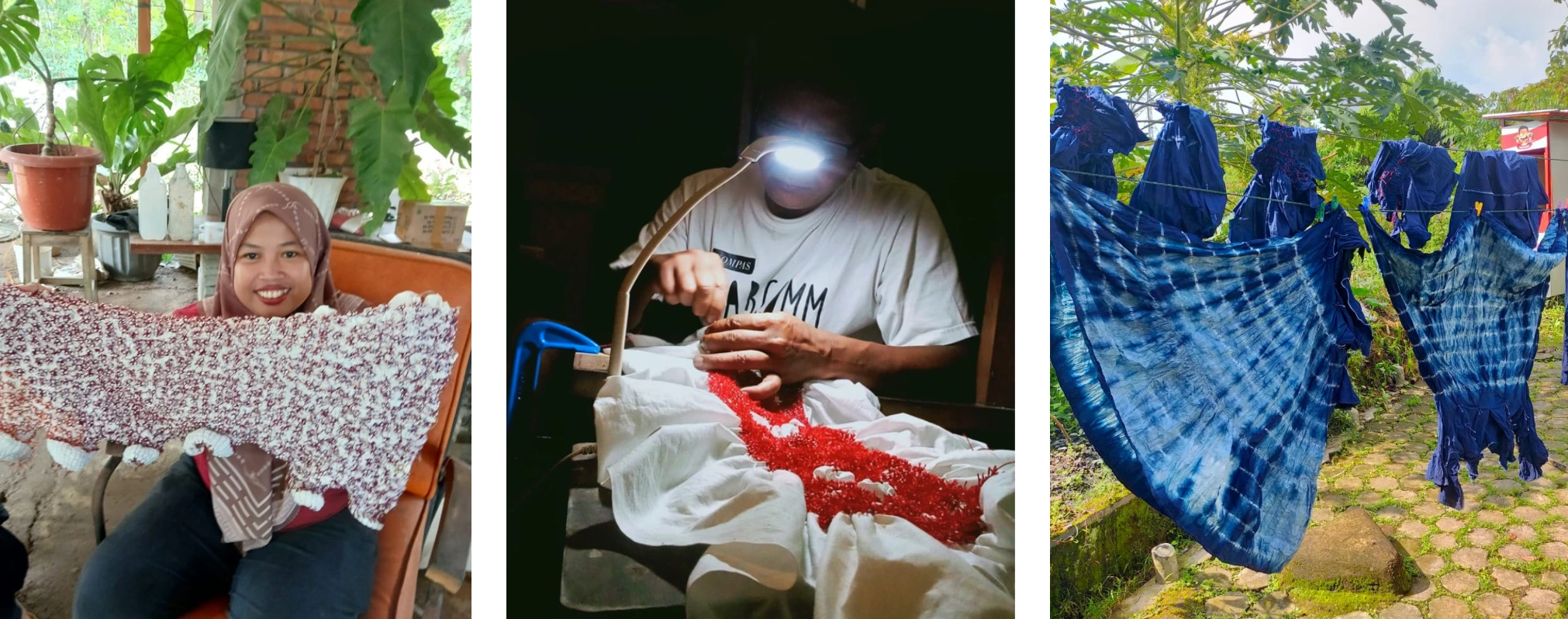
Each piece of Rosita Batik is made through a long and thoughtful process that requires patience

From a hobby to sustainable fashion, to empowering the community

Rosita Batik Shibori was founded in 2017 in Surabaya, West Java, starting simply as a hobby. Then came the creative joy of choosing colours. In the beginning, Rosita used chemical dyes because they offered a wide range of colour options.

However, as time went by and the hobby grew into a business, Rosita began to feel the negative impact of working with chemical dyes. She experienced skin irritation and health issues, and became increasingly concerned about the waste produced and its impact on the environment. Eventually, she made the decision to switch to natural dyes, and that was the moment the brand evolved into a sustainable fashion label.

Of course, the change came at a cost… quite literally. Production became more expensive, and the selling prices had to adjust accordingly. But slowly, Rosita Batik Shibori found the right market; people who shared the same values.

As demand grew, so did production, this led to another meaningful step: hiring women from the village of Gamplong. By employing local housewives, the brand created opportunities for them to stay productive while earning additional income. What she thought was a small initiative turned out to have a significant impact, supporting not only the women themselves but also their families.

You may also like this article: Bali Home Bakeries to Sweeten Your Celebrations
From a small village to Japan – proving that local stories can travel far

From Java to the world

Rome wasn’t built in a day, and neither was the success of Rosita Batik Shibori. It began with small exhibitions around Surabaya, before expanding to Jakarta and later Bali. Rosita then participated in fashion shows that helped introduce the brand to a wider audience. She also actively hosted workshops, and all of this hard work eventually led to a major opportunity: showcasing her work in France at the Who’s Next Paris event, supported by L’Adresse Agency Paris and Pelindo Indonesia. She was over the moon when she secured an international buyer from Greece.

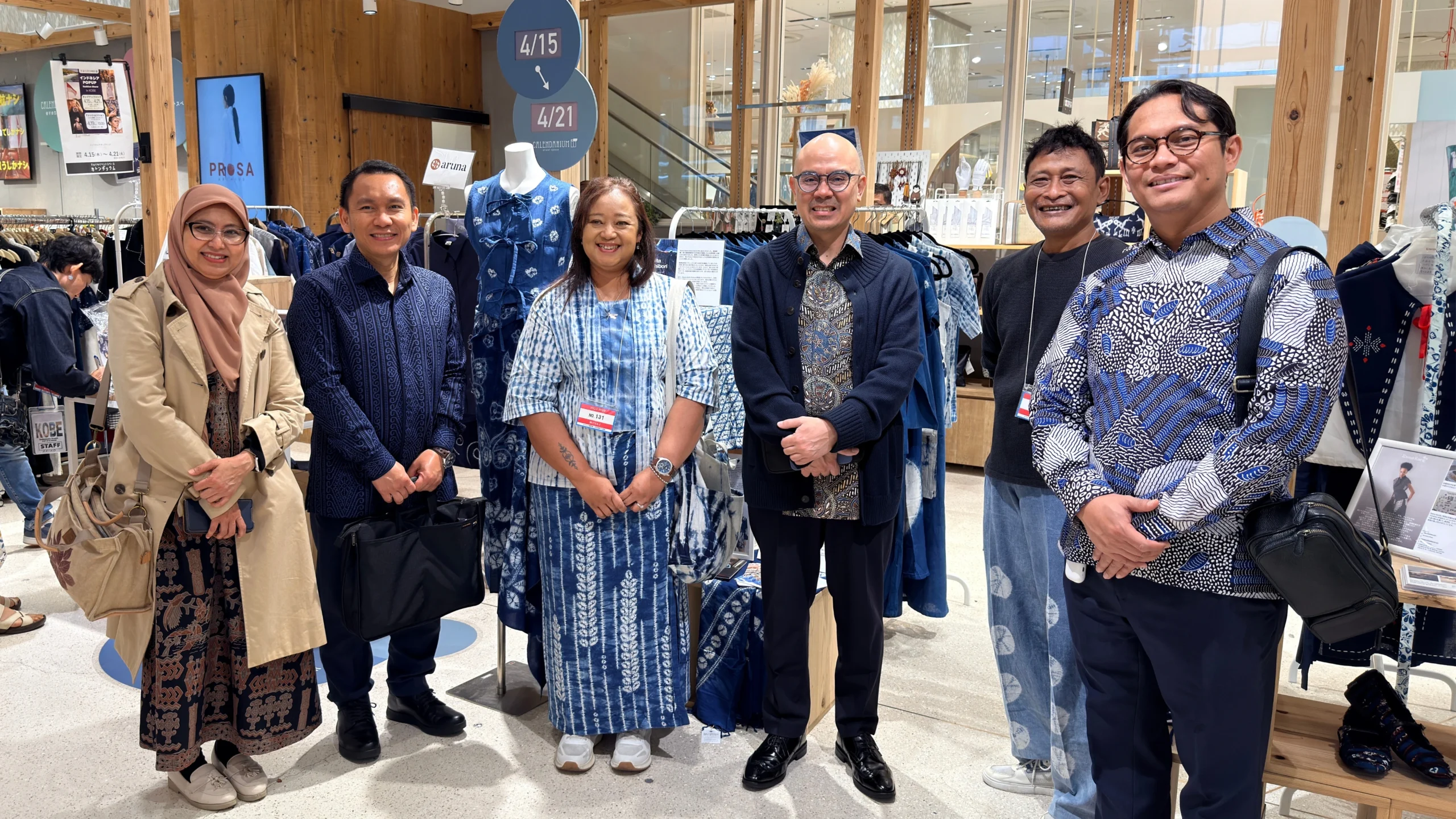
The hustle didn’t stop there. Rosita Batik Shibori just had its second international opportunity – a pop-up event in Kobe, Japan, supported by Indonesia’s Ministry of Trade in collaboration with IPTC Osaka and Bateeg Japan. Out of 190 participants who registered for the programme, only 16 were selected, and Rosita is incredibly proud to be among them.

The event featured a series of activities including pop-up exhibitions, B2B showcases, business matching sessions with several Japanese fashion companies, photoshoots, and a fashion show.
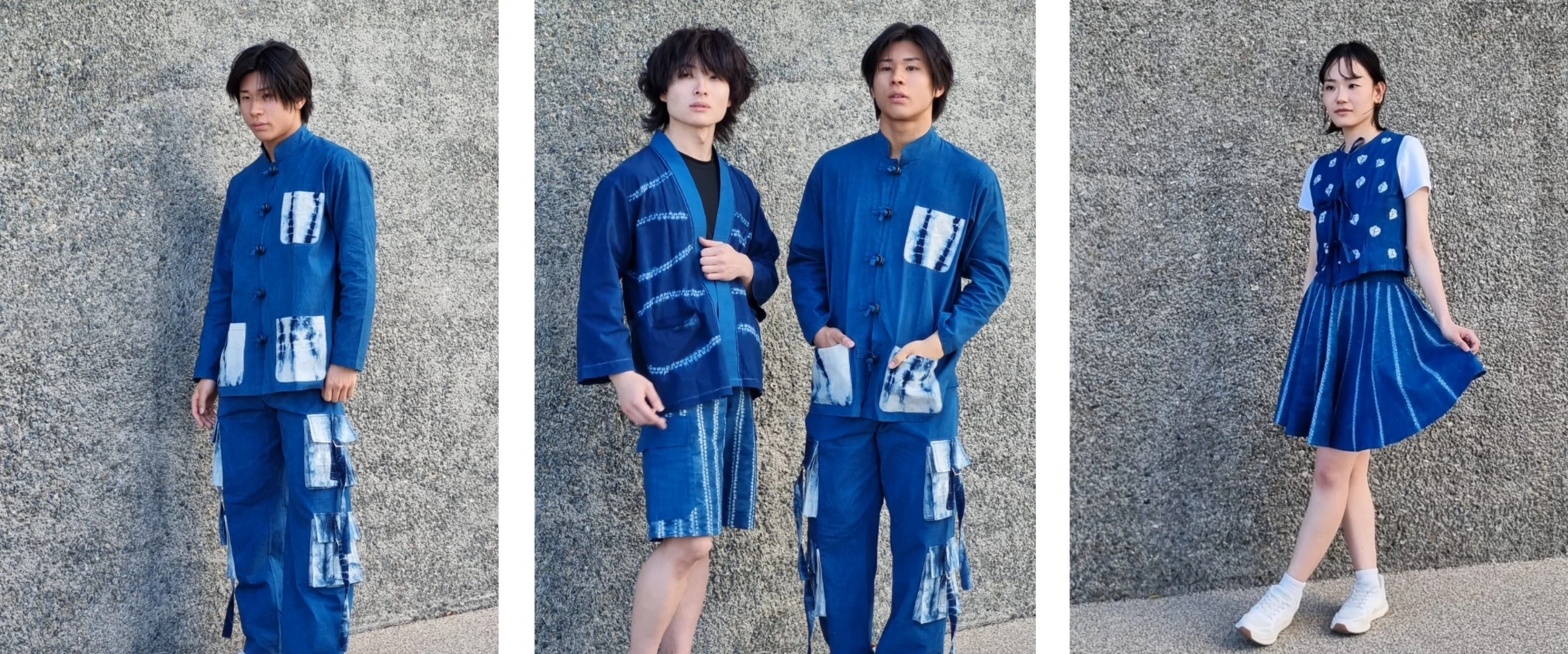
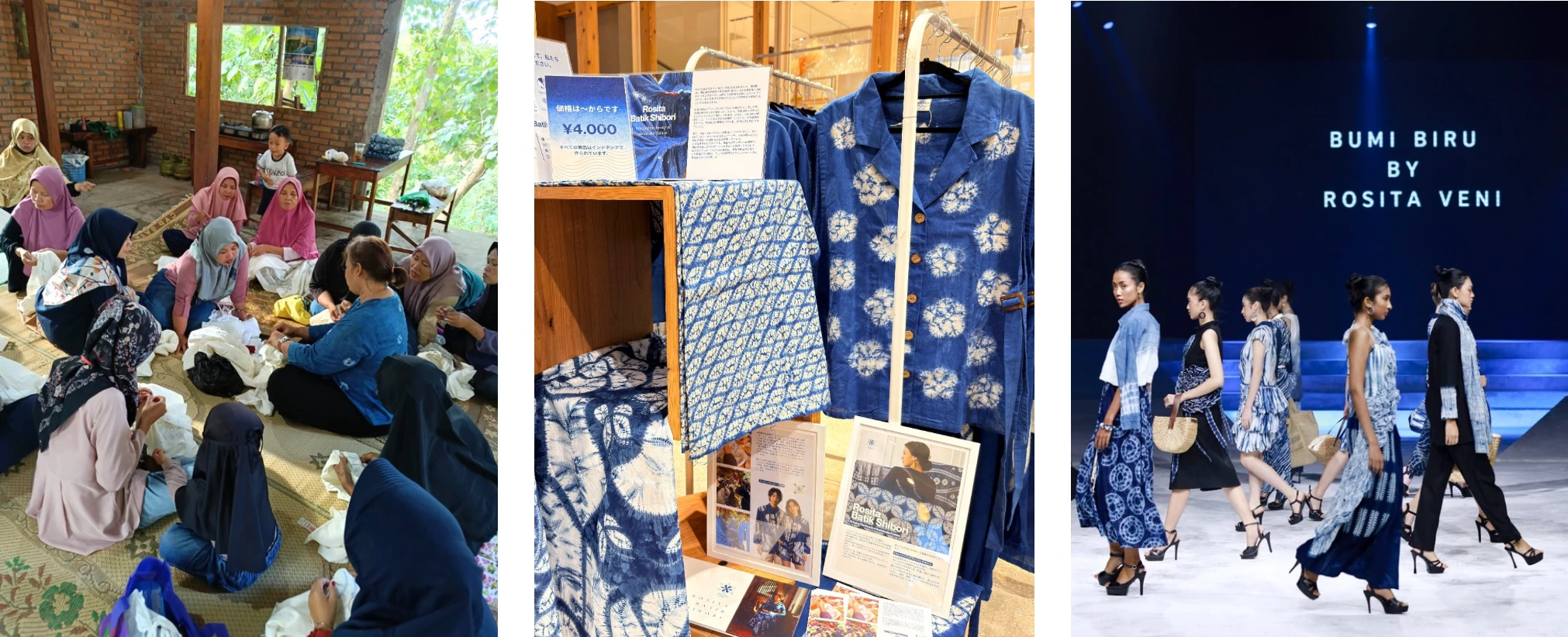
Some of the newest collections of Rosita Batik Shibori showcased in Japan

A passion that brings joy

One of the most meaningful journeys for Rosita Batik Shibori has been the strong relationships built with its customers. It means the world to her every time she sees enthusiastic faces at exhibitions – customers excitedly discovering new patterns and exploring the latest collections.

The brand also takes pride in creating employment opportunities within the community. Employees are not seen merely as staff, but as partners, fostering a shared sense of belonging as the business continues to grow together.

Beyond that, the journey has opened doors to meaningful connections with fellow entrepreneurs, allowing the team to exchange knowledge, collaborate, and grow through shared experiences.

You may also like this article: Koyotake Ramen – A Comforting Homemade Ramen in Yogyakarta

Rosita’s message for Indonesian UMKM (micro, small, and medium enterprises)

Rosita hopes Indonesian businesses continue to preserve local culture and take pride in our kearifan lokal (local wisdom). She believes no business is too small – anything done with heart, dedication, and patience will eventually flourish.

She encourages more women to enter the industry, noting that they, too, can play a leading role in Indonesia’s economy. Through consistent quality and continuous improvement, she hopes local products can confidently compete on the international stage.

“To the next generation, don’t be afraid to try new things, to create, and to keep exploring. Collaborate, build connections, and support fellow entrepreneurs. Growth comes from courage, persistence, and learning together.”

Where to Find Rosita Batik Shibori

📱Instagram: @rositabatikshibori.official

🛍️ Stores & Galleries:

  • Rosita Batik Shibori shop, Citraland Surabaya Barat
  • Hotel Garrya Bianti, Yogyakarta
  • Wedja Ubud Gallery, Bali
  • Djaman Doeloe Resto, Forpoints Surabaya
  • Wastra Sheraton, Surabaya
  • Mesastile Hotel, Yogyakarta
  • Wastra Marriott Hotel, Yogyakarta
  • Toko D2i, Ciputra World Surabaya

💵 Price Range:

  • Fashion: IDR 450,000 – 900,000
  • Fabric: IDR 600,000 – 5,000,000

👚Best-Selling Products:

  • Kebaya encim & kutu baru
  • Male and female outers
  • Celana lilit
  • Crop tops
  • Kain lilit


You might also want to read

Last-minute Christmas Present Ideas Image

18 Dec 2024 by Bella in Lifestyle

Last-minute Christmas Present Ideas

A year has flown by like whooshh, and suddenly, here we are again at the most wonderful time of the year. I absolutely love Christmas - everything from holiday planning and baking to shopping for presents. But having a full-time job means I don’t always have the time to indulge in all of those festive activities as much as I’d like. So during this busiest season, online shopping has become my ultimate lifesaver. Living in Bali comes with its perks, but when it comes to finding certain items, the options can be limited, but you can find almost anything online! If you’re still on the hunt for last-minute Christmas presents ideas, here are a few suggestions from Kata Bella to help you out. For mum Mothers will appreciate anything we give them, but that doesn’t mean we shouldn’t put some thought into it. I get that not every mum loves cooking, and not every mum is into feminine things like jewellery. But whether your mum spends her days in the kitchen, at the office, or juggling a bit of everything, the hands that care for the whole family deserve a little pampering. A good hand lotion or treatment set can go a long way in showing her just how much you notice and appreciate everything she does! And my go to local brand is Bali Soap. Image credit: Bali Soap Instagram For dad I don’t know why, but I always associate dads with coffee. Maybe because they are always working and need their caffeine fix (it’s just my theory, lol). I’ve gifted these Sudana Family coffee beans from Satu Satu to a few dads, and they all loved it. If you’re unsure how they like to brew their coffee, it’s always safer to go with whole beans instead of ground coffee. That way, they can grind it fresh and make it just the way they like it. Image credit: Satu Satu Coffee Company Instagram For the eco-conscious or sporty friends You really can’t go wrong with a cute tumbler! It’s practical, thoughtful, and helps them stay hydrated while saving the planet - what’s not to love? There’s this local brand called V Paper Co. that’s rolled out Christmas special designs that are perfect for the season. I’ve shopped with them for presents twice, and both times were a hit! Image credit: V Paper Co. Tokopedia For the picky ones We all have that one brother or guy friend who’s impossible to shop for. But here’s the thing - most guys have one thing in common: they wear shorts. Whether it’s lounging at home, hanging out, or heading to the beach, shorts are a necessity, and black is a safe colour. Uniqlo has been my go-to for this kind of gift (success rate; 100%, based on experience). Another option is a black windbreaker jacket. Practical, stylish, and something they’ll actually wear. Image credit: Uniqlo Indonesia Website For the people you like…but don’t really know When it comes to work colleagues, bosses, business partners, teachers, or neighbours - those you may not know well but still want to show your appreciation, hampers are a classic choice. A quick search on Instagram or e-commerce sites will reveal a gazillion Christmas hamper options, from IDR 100K to 1M. To save you the trouble, here I’ve picked one from Mena Cookies that’s both decent and not too pricey. Image credit: Mena Cookies Instagram Hope you find these ideas useful! Remember, it’s not about how much you spend - it’s the thought behind it that counts. So take a deep breath, get those last-minute gifts sorted, and enjoy the most magical time of the year. Merry Christmas and happy gifting!

Lokananta: Why This Musical Landmark is a Must-Visit in Solo Image

23 Feb 2025 by Teman Bella in Lifestyle

Lokananta: Why This Musical Landmark is a Must-Visit in Solo

An Article by Natasya Soetantyo Solo is one of the cities in Indonesia that I always wanted to explore but never got a chance to (despite travelling to Central Java quite often since I was young). Last January, this long-overdue bucket list was finally ticked off. After a comforting lunch of soto and a cheeky es dawet selasih from the nearby market, food coma didn't stop us from exploring the city further - after all, it was only a two-day trip. We then made our way to Lokananta, located on Jalan Ahmad Yani, Laweyan. You may also like this article: Swapping Beaches for Mountaintops - A Chilly Christmas in Bromo Lokananta is a sacred pilgrimage site for those passionate about music, art, and history. Established in 1956, it was Indonesia’s first record label and vinyl record producer. In their heyday, they were the ones that introduced Indonesia to legendary musicians; Gesang (famously known for his song ‘Bengawan Solo'), Titiek Puspa, and Waldjinah to name a few. Its archive is not limited to only pop and Keroncong music at the time; but also home to Indonesia’s largest collection of Gamelan recordings, various ethnic/ folk music throughout the country, and even a recorded speech of Presiden Soekarno reading the Proclamation of Indonesian Independence. After several challenging decades trying to adapt to technological advances of cassettes and CDs, Lokananta was revitalised in 2022 and is now functioning as a modern creative hub for the public. Exploring Galeri Lokananta The museum, Galeri Lokananta, is an essential part of the visit. It is a ticketed entry with limited time slots - you can either explore the exhibition by yourself or with a guided tour. I opted for the first option; this gave me a bit more freedom to enjoy each part of the exhibition at my own pace. I wouldn’t mind doing the guided tour on my next visit though; turns out the discography room can only be entered with the tour guide present. My share of tips: book a guided tour online as we were unable to book it in-person. Fun, Concise, and Engaging Those three words sum up the experience. The first part of the exhibition depicts the origin of Lokananta and its transformative journey in becoming a significant part of Indonesian music history. Brimmed with cool memorabilia (a room full of original Lokananta vinyls!), clear information, and immersive multimedia installations - the entire exhibition was easy to digest. My personal favourite was the room explaining the vinyl production process. You may also like this article: Goolali Gelato Bar & Pâtisserie - Semarang’s Sweetest Escape The later part of the exhibition (only until 8 March 2025) delves into a more general theme of Indonesia’s pop music in the 60s - especially its tumultuous journey under Soekarno’s era of censorship. As I go along enjoying their colourful, aesthetically-pleasing pop graphics and listening to rare Lokananta original recordings, two things particularly caught my attention - the existence of a local genre music called Lenso (please look up its interesting history!) and a once-banned Indonesia Raya recording that was deemed too subversive. Even if a museums are not your thing, the precinct’s line-ups of trendy coffee shops, restaurants, and retail spaces are still worth a visit. I do suggest you stop by the Lokananta Record Store - their collection of rare Indonesian vinyls from the 60s and 70s really sparked my interest to start a vinyl collection. Planning Your Visit ⏰ Museum (Galeri Lokananta) Hours: Daily, 10am – 8pm 🎟️ Entry Time Slots (10 sessions per day): Session 1: 10am - 12pm (with a guided tour) Session 2: 11am - 12pm Session 3: 12pm - 2pm (with a guided tour) Session 4: 1pm - 2pm Session 5: 2pm - 4pm (with a guided tour) Session 6: 3pm - 4pm Session 7: 4pm - 6pm (with a guided tour) Session 8: 5pm - 6pm Session 9: 6pm - 8pm (with a guided tour) Session 10: 7pm - 8pm 💰Ticket Prices: Adults: IDR 35,000 Kids (above 100cm), Students, Seniors: IDR 25,000 Foreigners: IDR 70,000 (with tour guide) / IDR 50,000 (without tour guide) 💬 Guided Tour Booking: Online only at Galeri Lokananta Website 🙋‍♀️ Personal Tips: ● If you opt for a guided tour, make sure you book online before you arrive as time slots can be limited. ● All exhibition materials were written in Indonesian; perhaps getting a tour guide is worthwhile if Indonesian is not your first language. ● Bring an umbrella on rainy day

A Nostalgic Escape: Where to Stay and Eat in Yogyakarta Image

28 Jul 2026 by Teman Bella in Asia

A Nostalgic Escape: Where to Stay and Eat in Yogyakarta

NOSTALGIC TRAVEL TO YOGYAKARTA - an article by Anne Diana Putri Eight years later, I came back for ArtJog (annual contemporary art festival in Yogyakarta) - but stayed for everything else. Eight years. That's how long it had been since my last trip to Yogyakarta - or Jogja, as Indonesians lovingly call it. Funny how a city can stay frozen in your memory, only to surprise you when you finally return. This time, my excuse was ArtJog. But somewhere between gallery hopping, bowls of gudeg (Yogyakarta's signature jackfruit dish) at breakfast, sipping specialty coffee, discovering century-old jamu (herbal drink) recipes, and taking the slow train to Solo, I realised I wasn't revisiting Yogyakarta. I was meeting a completely different version of it. Flying from Bali takes only one hour and fifty minutes - almost the same as flying to Jakarta. Yet somehow, the moment I stepped outside the airport, life immediately moved at a different pace. The new Yogyakarta International Airport feels modern, spacious, and surprisingly efficient. A direct airport train takes only thirty minutes to downtown for IDR 75,000, making the city more accessible than ever. But what fascinated me wasn't the infrastructure. It was how confidently Jogja has grown. For years, people have known it simply as Kota Pelajar (the city of students). Today? I'd call it Indonesia's Creative Capital. A place where heritage and contemporary culture coexist effortlessly. Traditional markets sit comfortably beside minimalist cafés. Ancient recipes share the spotlight with experimental tasting menus. Artists, coffee roasters, chefs, historians, and young entrepreneurs all seem to speak the same language: "Create something meaningful." Unlike Jakarta, which constantly asks you to move faster, or Bali, which often feels curated for visitors, Jogja simply exists. Quietly. Confidently. Authentically. And perhaps that's exactly why it keeps pulling people back. You may also like this article: 5 Co-working Spaces in Jogja to Get Things Done WHERE I STAYEDGrand Hotel de DjokjaCasa Wirabrajan LOCAL EATERIESGudeg SaganSate Kambing Tjokro Gembira LokaPasar NgasemCOFFEE SHOPSBergamot KoffieSpace RoasteryTadasih CoffeeINDONESIAN SPICE & HERBAL MEDICINE STOREBhumi BhuvanaJamu GinggangHotel Tentrem Pattiserie INTERNATIONAL RESTAURANT & LATE NIGHT GELATO CRAVEMediterranea Restaurant by KamilMichael Kreme Gelato Malioboro WHERE I STAYED Grand Hotel de Djokja If you're visiting Jogja for the first time, this is probably where I'd tell you to stay. The location couldn't be better - perfectly positioned between Tugu Station and Malioboro, allowing you to explore the city's heritage on foot. One experience I particularly loved was the hotel's traditional portrait session. Guests can wear Javanese kebaya and beskap (traditional attire) while being photographed inside the heritage property. It sounds touristy, and it is - but in the best possible way. Sometimes embracing local culture begins by simply dressing the part. 📍Google Map: Grand Hotel de Djokja Casa Wirabrajan  If ArtJog is your main destination, Casa Wirabrajan offers an entirely different experience. Simple, affordable, and surrounded by creative energy, it's located in the same area of the Jogja National Museum. The neighborhood has quietly evolved into one of the city's most interesting creative districts, filled with cafés, local eateries, live music, and artists gathering long after sunset. 📍Google Map: Casa Wirabrajan From left to right: Grand Hotel de Djokja Heritage, Casa Wirabrajan, and Jogja National Museum area LOCAL EATERIES Gudeg Sagan Locals call it "gudeg basah" (wet gudeg). Established in 2003, it brought fresh love to Jogja’s iconic gudeg, since the city’s version is normally the dry type. You can’t make a reservation - just find a table and a server will come to you. They have two branches across Jogja, and yes, it’s completely normal to eat gudeg for breakfast here.  📍Google Map: Gudeg Sagan Sate Kambing Tjokro Gembira Loka Famous for Sate Buntel, Sate Kronyos, and Sate Klathak (different types of mutton satays) - the most satisfying meal and the ultimate protein load.  📍Google Map: Sate Kambing Tjokro Gembira Loka Pasar Ngasem A traditional market famous among locals for legendary eateries, such as: Jenang Yu Jamilah (Jamilah's sweet porridge), Warung Makan Bu Sirep (Sirep's eatery), Gudeg Yu Djum (Djum's gudeg), and other iconic Javanese delicacies. Pro tip: come to this market as early as 7am, stroll around, and try the food and drinks - then walk to Tamansari, the water temple, to explore the landmark.  📍Google Map: Pasar Ngasem From left to right: Sate Kambing Tjokro Gembira Loka and Gudeg Sagan COFFEE SHOPS Bergamot Koffie A new, chic spot with a vibrant interior and some of the best dirty coffee I’ve had in Jogja - plus a good burger if you’re hungry and missing something comforting.  📍Google Map: Bergamot Koffie Space Roastery A local chain with 6 branches across Jogja - each with a different mood and ambiance, but consistent coffee at every branch I visited. Their signature is Es Kopi Susu Dolce (sweet iced coffee), along with manual brews, and you can take away merch and coffee beans too.  📍Google Map: Space Roastery CCC Tadasih Coffee A unique boutique coffee shop run by Mas Ferza himself. It only has 17 seats and opens just four days a week, so check Google to make sure they’re open. Ferza is a passionate host who offers 8 types of coffee beans from around Indonesia and beyond, with specialty coffee priced from just 35K per cup. As unbelievable as it sounds, he even publishes a monthly transparency book for Tadasih, covering how much of each bean has sold, average prices, and how many origins he covers. His mission is simply to turn regular guests into friends through genuine conversation - and please, order the toast, it’s incredible.  📍Google Map: Langenarjan 29 (RSVP only) From left to right: Space Roastery, Tadasih toast, Bergamot exterior INDONESIAN SPICE & HERBAL MEDICINE STORE Bhumi Bhuvana A very special place to discover rare ingredients from all over Indonesia, like sea salts from Bali, Cirebon, and Kalimantan, which you can taste on the spot - plus palm sugar from the Baduy people of Kalimantan. They offer a bookable walking tour, but you can also just pop in for the day and try the home-cooked meals the staff prepares daily, drawn straight from legendary Indonesian cookbooks like Mustika Rasa. The staff will welcome you warmly and guide you through a side of Indonesian gastronomy most of us never get to touch. The space is small, so give them a heads-up before you visit.  📍Google Map: Bhumi Bhuvana Jamu Ginggang Jamu is famous throughout Indonesia, and it was born in Java. This place is special because it’s run by the original acaraki, a Javanese herbalist once appointed by the city’s mayor, located in the Pakualaman area. Stepping in feels like traveling back to 1950, when this place was first established. Using real spices, you simply tell the lady at the counter how you’re feeling, and she’ll make you a bespoke jamu - in a world full of cocktail bars, this place existed long before the glitz. It’s a privilege to experience a place like this today, both as a homage and a history lesson.  📍Google Map: Jamu Ginggang Hotel Tentrem Pattiserie  The birthplace of Tolak Angin, Indonesia’s famous instant herbal medicine, this hotel lets you explore the brand’s other creations. In the lobby of Hotel Tentrem Jogja, you can enjoy an afternoon tea with Tolak Angin ice cream, takeaway chocolate pralines, and popsicles - all made from Tolak Angin. 📍Google Map: Hotel Tentrem Form left to right: Bhumi Bhuvana entrance and its collection, Jamu Ginggang INTERNATIONAL RESTAURANT & LATE NIGHT GELATO CRAVE Mediterranea Restaurant by Kamil One of the most visited restaurants for both international and domestic tourists. It offers an array of international dishes, from pizza to hummus to steak frites to chocolate mousse. The affordable prices are a highlight, but the food itself is genuinely good and consistent. It’s a fine casual dining restaurant with none of the intimidation that ambiance can sometimes bring. The wine of the month is excellent too, at half the price of Bali or Jakarta - Bordeaux included. Do make a reservation, though, or you won’t get a proper seat.  📍Google Map: Mediterranea Restaurant by Kamil Michael Kreme Gelato Malioboro A new gelato hotspot open until 2am - sounds like a good deal to me. The gelato itself is solid, but the bonus is the café next door, Blue Butter, which has a giant 4D cat installation with blinking eyes that draws crowds in for a photo. Quite a scene to stumble on in Jogja.  📍Google Map: Michael Kreme Gelato Malioboro Mediterranea Restaurant by Kamil Yogyakarta was everything I hoped it would be and more. From wandering through historic landmarks and hunting down local favourites to discovering hidden cafés and cultural gems, every day brought something new. But the journey doesn't end here. Next up, we're heading east to Solo, another city rich in Javanese culture, heritage, and unforgettable eats. Stay tuned for the next chapter of this Central Java adventure on my next article!